MEX-W
MEX-W ARG-W
ARG-W CRY0
CRY0 NEW1
NEW1 HUL1
HUL1 BRE0
BRE0 LIV2
LIV2 BHA0
BHA0 MAN0
MAN0 BOU2
BOU2 ATA3
ATA3 FRO3
FRO3 GEN1
GEN1 VEN0
VEN0 MON0
MON0 LILL1
LILL1 SUN
SUN LEE
LEE SCF
SCF MUN
MUN LEC
LEC JUV
JUV RSO
RSO LEV
LEV UDI
UDI MIL
MIL BAR
BAR RMA
RMA Mohun Bagan
 Chennaiyin
 PSG
PSG Lyon
Lyon NGA148
 UGA147/9 (20 ov, target 149)
 ATH4
ATH4 GET0
GET0 INT2
INT2 FIO1
FIO1 CHU2
CHU2 PFC3
PFC3 LIMWn
LIMWn NW-W
NW-W NCWmn
NCWmn FsWm
FsWm BOL137/9 (20 ov)
 TITNS137/8
 NWEST22/3 (3.1/20 ov, target 181)
 NCAPE180/3
 MIS50/2 (6/20 ov, target 170)
 VAG169/4
 NZ-A317
 IND-A113 & 106/2 (36 ov)
 SYL280/2 (84 ov)
 KHU
KHU MYMS465/7d
 CHATT134/2 (40 ov)
 DHA521
 RAJ103/6 (26 ov)
 RAN402
 BAR179/3 (56.1 ov)
 BRB
BRB MOW
MOW TOK
TOK SIKM
SIKM NAGA
NAGA JHK
JHK DELHI
DELHI ODSA
ODSA SVCS
SVCS CGR
CGR AP
AP BRODA
BRODA J & K
J & K GMB112/9
 LES109 (19.5/20 ov, target 113)
 MOZ110/7 (19/20 ov, target 110)
 ZMB109/9
 IND-W328/6
 ZIM-W207 (48.5/50 ov, target 329)
 PAK243/9 (47.1/50 ov, target 242)
 ENG241
 UAE244/8
 NED245/7 (43.5/50 ov, target 245)
 KER0
KER0 MCFC0
MCFC0 TSG0
TSG0 B040
B040 NEC2
NEC2 GRO2
GRO2 PSV1
PSV1 FEY1
FEY1 Motherwell0
 Hearts1
 Atlético1
 Deportivo0
 Lazio2
 Parma1
 Lens2
Lens2 Paris FC1
Return to Silent Hill delivers one of horror cinema’s most emotionally devastating conclusions, transforming the beloved 2001 video game into a haunting meditation on guilt, grief, and the inescapable cycles of trauma. If you walked out of theaters with questions, you’re not alone—this ending demands deeper exploration.
Return to Silent Hill Film Overview
| Aspect | Details |
|---|---|
| Release | January 2026 |
| Director | Christophe Gans |
| Lead Actor | Jeremy Irvine as James Sunderland |
| Lead Actress | Hannah Emily Anderson as Mary |
| Based On | Silent Hill 2 (2001 video game) |
| Genre | Psychological Horror |
The Heart-Wrenching Revelation
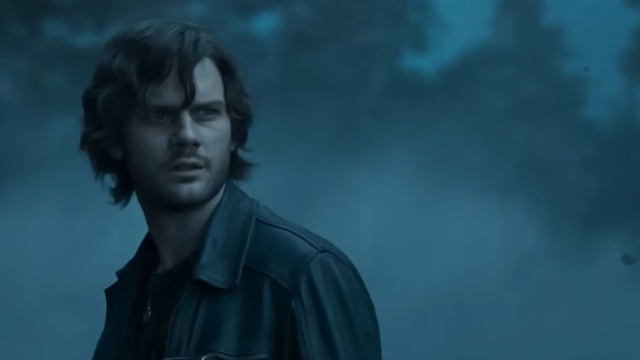
The film’s climax shatters James Sunderland’s carefully constructed reality. Throughout the story, James believed Mary died from natural causes related to her terminal illness, but the truth emerges that he actively ended her life in what he justified as mercy killing. The fog-drenched town of Silent Hill forces James to confront this repressed memory through nightmarish manifestations.
In the final sequences, James encounters a monstrous, moth-like version of Mary—a physical representation of his guilt and the beautiful life he destroyed. After accepting responsibility, James makes a tragic choice: he retrieves Mary’s body, places it in his car, and drives directly into the lake bordering Silent Hill, choosing death over living without her.
The Shocking Twist
Just when you think the story concludes, Return to Silent Hill delivers its most disturbing revelation. After drowning, James suddenly finds himself back at the very beginning—standing on the road where he first met Mary. This cyclical ending suggests James is trapped in an eternal loop of guilt, punishment, and false redemption. He cannot escape his actions, doomed to repeat this psychological torment indefinitely.
This connects to theories about the Silent Hill franchise, where the town itself acts as a purgatorial realm forcing sinners to confront their darkest deeds. The film brilliantly captures the game’s exploration of psychological horror over physical threats.
For more horror movie breakdowns, check out our latest film reviews and gaming adaptations analysis.
Frequently Asked Questions
Did James really kill Mary out of mercy?
The film portrays James’s motivations as complex—partly to end Mary’s suffering, but also driven by his own exhaustion and desire for freedom from caretaking.