LAFC0
 LA0
 Mohun Bagan
 Chennaiyin
 PSG
 Lyon
 Sevilla
 Osasuna
 NED
 OMA
 NZ
 IND
 NAM
 IRE
 PAK
 SL
 SA
 AUS
 BAR1
 RMA2
 UDI0
 MIL2
 RSO2
 LEV1
 LEC0
 JUV2
 BRB76/3 (9/15 ov)
 MOW
 NZ-A317
 IND-A113 & 280/4 (74.3 ov)
 SYL280/2 (84 ov)
 KHU
 MYMS465/7d
 CHATT134/2 (40 ov)
 DHA521
 RAJ103/6 (26 ov)
 RAN402
 BAR179/3 (56.1 ov)
 LUL
 SPR
 TOK
 MIS
 MEX-W51 (12.5/20 ov, target 187)
 ARG-W186/7
 NGA148
 UGA147/9 (20 ov, target 149)
 GMB112/9
 LES109 (19.5/20 ov, target 113)
 MOZ110/7 (19/20 ov, target 110)
 ZMB109/9
 IND-W328/6
 ZIM-W207 (48.5/50 ov, target 329)
 ENG241
 Abha
 Al Faisaly
 Neftchi Fergana
 Al Ittihad
 Besiktas
 Istanbul BB
 Caykur Rizespor
 Trabzonspor
 Al Ahli
 Al-Gharafa
 SUN0
 LEE0
 SCF1
 MUN3
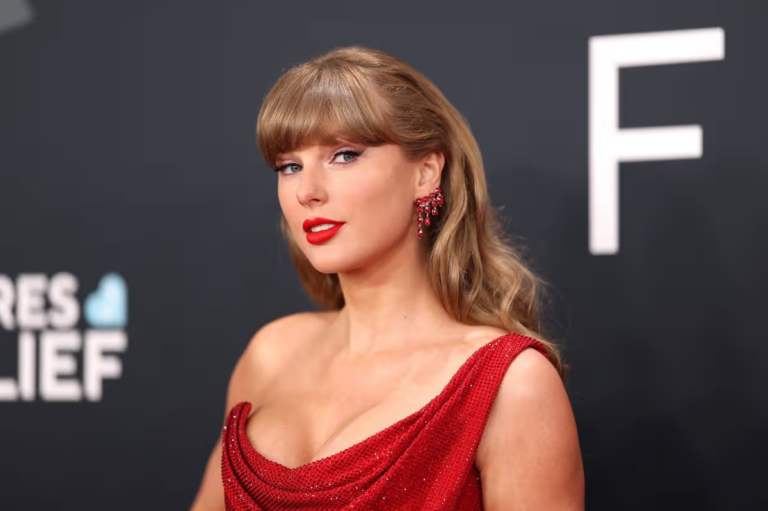
Taylor Swift’s Proactive Defense Against AI Impersonation
The core of Taylor Swift‘s recent trademark filings centers on her voice, image, and name, aiming to prevent their unauthorized use in digital and AI-generated content. This isn’t about controlling her own artistic expression, but rather about establishing legal boundaries against malicious impersonation. With AI tools capable of generating highly convincing audio and visual replicas, the risk of deepfakes being used to spread misinformation, create fraudulent endorsements, or even generate compromising material is a palpable threat.
Taylor Swift’s legal team cited these increasing concerns within the entertainment industry as the primary catalyst for the applications. The USPTO filings cover a broad spectrum of digital media, including music, video, and various online platforms, ensuring a comprehensive layer of protection. This strategic move aims to give Swift, and by extension other artists, a legal framework to challenge AI-generated content that purports to be them without consent. It’s a vital step in an era where digital identity can be replicated with alarming ease, as highlighted by the $2.1 billion lost to social media scams in 2025, according to FTC reports.
What the Taylor Swift Trademark Filings Cover
The trademark applications filed by Taylor Swift are meticulously detailed, aiming to provide robust protection against AI-driven impersonation. These filings specifically encompass her vocal characteristics and visual likeness, crucial elements that define her public persona. The scope includes protection across various digital media formats, from music and video productions to interactive digital platforms.
This comprehensive approach is designed to address the multifaceted ways AI can be employed to mimic an individual. For instance, AI models are becoming increasingly adept at replicating vocal patterns to create convincing audio clips, while sophisticated image generation can produce realistic visual representations.
By seeking trademark protection for these distinct attributes, it is essentially asserting ownership over her digital identity, making it legally challenging for unauthorized AI-generated content to circulate. This mirrors actions taken by other celebrities in 2025 who also sought to gain control over AI-generated representations of their personas, indicating a broader trend within the industry to address these emerging legal challenges.
The process with the USPTO is thorough, typically taking between 6 to 12 months for review and approval, meaning the full legal weight of these trademarks could be established between late 2026 and early 2027.
Implications for AI in Entertainment and Beyond
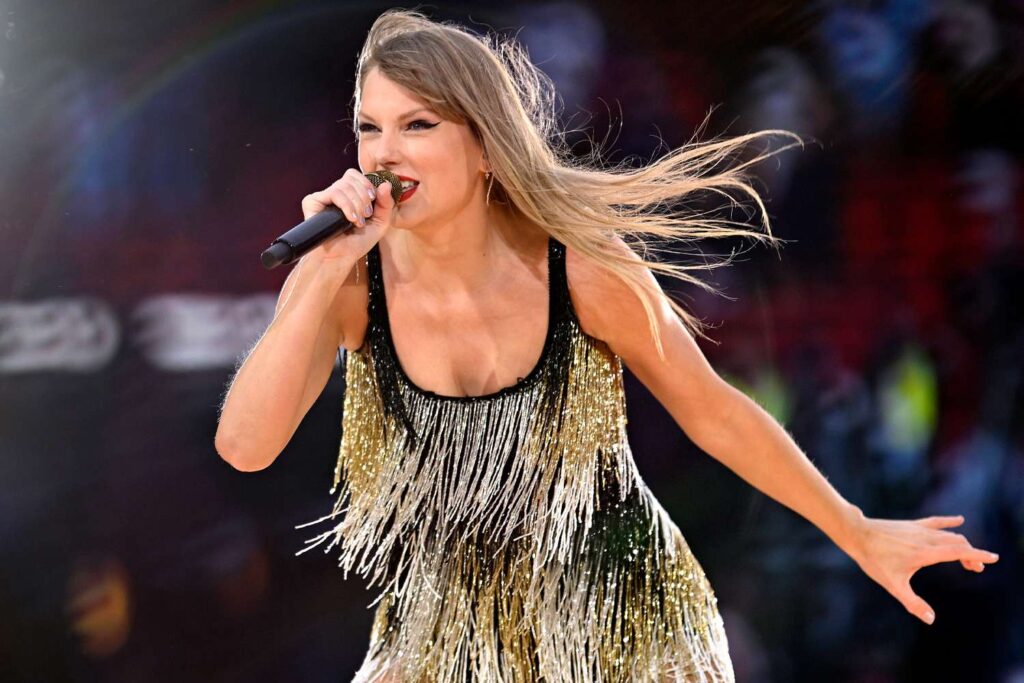
The legal action taken by this has significant implications for the future of AI in the entertainment industry and beyond. By proactively seeking to trademark her voice and likeness, she is setting a precedent for how intellectual property rights will be navigated in the age of advanced AI.
This move highlights the urgent need for clearer legal frameworks to govern the use of AI-generated content, particularly concerning personal identity. For artists, this means a potential path to reclaiming control over their digital avatars, preventing the unauthorized exploitation of their image and voice for commercial gain or malicious purposes.
The entertainment sector, which thrives on unique artist identities, stands to be profoundly reshaped by these developments. It prompts a critical discussion about consent, compensation, and the very definition of intellectual property when AI can so seamlessly replicate human attributes. The concerns are not isolated; similar discussions are happening across tech sectors, from how xAI Grok Voice τ-voice models are developed and used, to broader AI safety protocols. This legal battle is not just about the technology; it’s about defining the boundaries of digital identity in an increasingly AI-driven world.
Expert and Early-Adopter Reactions to the Trademark Filings
The news of the tool‘s trademark filings has generated considerable discussion among legal experts and AI ethicists. Many see this as a necessary evolution in intellectual property law, acknowledging the unique challenges posed by AI deepfake technology. “This is a landmark move,” noted one AI ethics commentator on MIT Technology Review
FAQs
Why is Taylor Swift filing to trademark her voice and likeness?
Taylor Swift is filing to trademark her voice and likeness to protect her identity and creative work from unauthorized use, especially in light of increasing AI deepfake technology that can mimic celebrities.
What does trademarking a voice and likeness mean for Taylor Swift?
Trademarking her voice and likeness gives Taylor Swift legal rights to control how they are used commercially, helping prevent misuse or exploitation in AI-generated content and other media.
How do AI deepfakes impact celebrities like Taylor Swift?
AI deepfakes can create realistic but fake audio or video impersonations, potentially damaging a celebrity’s reputation or causing unauthorized endorsements, which is why protection measures like trademarks are becoming important.