LAZ2
 PAR0
 RCL1
 PAR1
 MEX-W
 ARG-W
 ATM1
 DEP0
 ADO1
 HEE2
 CLB2
 TOR0
 GVFC0
 FCP0
 Internacional2
 Botafogo0
 UAE
 NED
 PAK
 ENG
 IND-W
 ZIM-W
 GMB
 LES
 MOZ
 ZMB
 Inter Milan
 Fiorentina
 Churchill
 Punjab FC
 NGA
 UGA
 RIY2
 TAA1
 CHE0
 TOT2
 VAL1
 VIL2
 DOR1
 SGE0
 NZ-A135/3 (41 ov)
 IND-A113
 SYL
 KHU
 MYMS299/4 (87 ov)
 CHATT
 DHA293/3 (84.1 ov)
 RAJ
 RAN320/5 (80 ov)
 BAR
 DEN
 PNG
 NAM321/6
 IRE290 (47.3/50 ov, target 322)
 NZ180/5
 IND181/6 (19.5/20 ov, target 181)
 Mirassol1
 São Paulo1
 Vitória1
 Athletico-PR1
 Athletic
 Getafe
 C Palace
 Newcastle
 Hull
 Brentford
 Liverpool
 Brighton
 Man United
 Bournemouth
 Atalanta
 Frosinone
 NAP3
 ROMA3
 KHO0
 ETT3

The Taylor Swift anniversary marks 20 years since her self-titled debut studio album arrived in October 2006. The country-pop record laid the groundwork for a global musical career. Released by Big Machine Records, it introduced her distinctive songwriting and helped set the stage for later shifts across the industry.
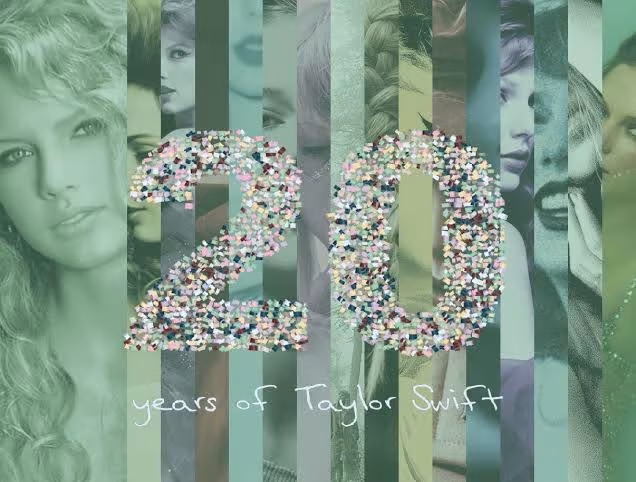
Evolution of Taylor Swift’s Musical Style During the Taylor Swift Anniversary
Nathan Chapman produced most of the original album’s tracks, capturing the raw, acoustic sound that defined mid-2000s Nashville. The rollout began earlier that year, when “Tim McGraw” became the lead single on June 19, 2006, introducing listeners to Swift’s narrative lyricism.
That early foundation shaped her move from country to pop, which began with her third studio project and gathered pace through later genre experiments. Critics initially wondered whether a teenage artist could make such a drastic sonic pivot. But her focus on melodic storytelling showed the shift could work. According to Rolling Stone, the debut established her signature songwriting approach, later influencing many contemporaries who attempted similar cross-genre moves.
Taylor Swift’s Transition from Country to Pop
The project spent a reported 275 weeks on the US Billboard 200 chart, showing its lasting appeal.
Taylor Swift’s Debut Album and Its Significance
Early collaborations with veteran producers and session musicians taught her to balance traditional instruments with modern production techniques. She often credits Nashville’s songwriting community with helping her turn personal experiences into universal hooks.
Those early connections gave her a creative framework for experimenting without losing structural integrity. The collaborative atmosphere in those first recording sessions still offers a reference point for contemporary singer-songwriters working through label expectations.
Taylor Swift’s Impact on Pop Culture and Fans
Her early work reached far beyond radio airwaves and streaming figures. Young audiences connected with lyrics that gave voice to teenage heartbreak and small-town ambitions, forging an immediate bond between performer and listener.
That grassroots connection built a devoted fanbase that took part in chart campaigns and concert tours. Discovering new music online together turned passive listening into a shared experience, a model that now shapes digital music fandom.
Taylor Swift’s Engagement with Social Issues
Her debut focused mostly on personal stories, while her public platform later expanded to include broader advocacy. Artists who start with intimate storytelling may use their growing influence to address systemic challenges, moving from private reflection to public commentary.
Today’s performers study these early career stages to see how gradual brand expansion can protect artistic credibility. Swift’s journey from regional touring circuits to global stadium shows shows that lasting relevance calls for musical consistency and cultural awareness.
The Taylor Swift anniversary marks more than a milestone; it points to a career built on constant creative change. Her willingness to revisit and redefine her sound shows that artistic growth needn’t compromise core identity. The industry still studies these early strategies when planning long-term roster development. Future generations will likely look to this twenty-year arc when discussing sustainable success in modern entertainment.
A single debut record can launch a fifty-year legacy when songwriting stays at the center.
FAQs
What are Taylor Swift’s biggest hits?
Her best-known tracks include “Tim McGraw,” “Our Song,” and later crossover anthems that topped charts worldwide. These songs established her reputation for narrative-driven melodies and connected with audiences across demographics.
How has her music evolved over the years?
Her music moved from acoustic country arrangements to polished pop productions and experimental indie folk textures. Each stylistic shift brought new sounds while preserving her signature focus on personal experience.
What influence has she had on the music industry?
Her business strategies around masters ownership and tour economics pushed labels to renegotiate standard contracts. Independent artists now use similar models to keep creative control and maximize revenue.
What are notable achievements in her career?
The Recording Industry Association of America certified her debut album seven times platinum. Since then, she has earned numerous Grammy awards and set sales records worldwide. Source: Rolling Stone
What are some of Taylor Swift’s most recognized tracks?
Taylor Swift’s best-known tracks include “Tim McGraw,” “Our Song,” and various crossover anthems that have topped charts worldwide. These songs helped establish her reputation for narrative-driven melodies and connected with audiences across demographics.
How has Taylor Swift’s music changed over the years?
Taylor Swift’s music has moved from acoustic country arrangements to polished pop productions and experimental indie folk textures. Each stylistic shift brought new sounds while preserving her signature focus on personal experience.
Was this article helpful?
Your feedback directly improves future articles on this site.