The defending champions are returning home. India will defend their T20I World Cup crown on familiar soil when the tournament kicks off in February 2026, marking the country’s first time hosting the prestigious event since 2016. The T20I World Cup 2026 promises high-octane cricket across the subcontinent as India and Sri Lanka jointly stage the tenth edition of cricket’s most explosive format.
With India placed in a challenging yet navigable group alongside arch-rivals Pakistan, the United States, Namibia, and the Netherlands, captain Suryakumar Yadav’s squad faces a month-long campaign that begins in Ahmedabad and includes the marquee India-Pakistan showdown in Colombo.
Table of Contents
India’s T20I World Cup 2026 Group Stage Schedule
The BCCI and ICC have finalized India’s group fixtures, setting up a tournament path that balances home advantage with strategic neutral-venue commitments. India opens their campaign at the world’s largest cricket stadium before embarking on a four-match group stage journey.
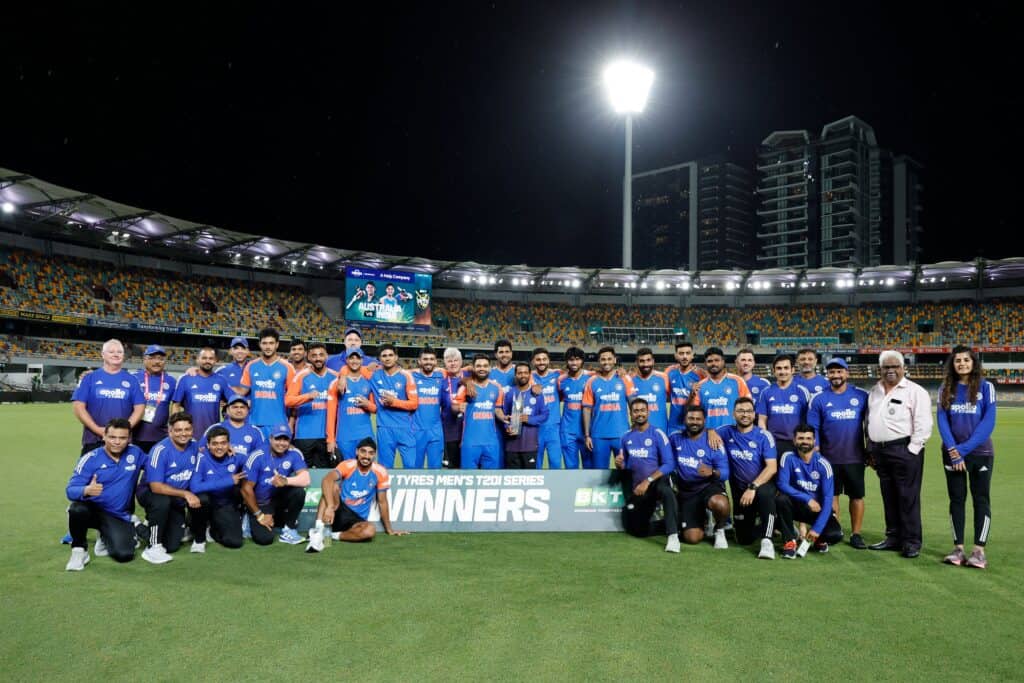
India’s Complete Group Fixtures
| Match | Opponent | Date | Venue | City |
|---|---|---|---|---|
| Match 1 | USA | February 8 | Narendra Modi Stadium | Ahmedabad |
| Match 2 | Namibia | February 12 | Arun Jaitley Stadium | Delhi |
| Match 3 | Pakistan | February 15 | R. Premadasa Stadium | Colombo |
| Match 4 | Netherlands | February 18 | Wankhede Stadium | Mumbai |
The schedule strategically positions India across four different venues, ensuring the defending champions showcase their title defense in front of diverse home crowds while respecting the BCCI-PCB neutral venue agreement for the Pakistan fixture.
Tournament Format and Structure
The T20I World Cup 2026 features 20 qualified teams divided into four groups of five nations each. This expanded format, identical to the successful 2024 edition, ensures maximum competitive balance while giving associate nations valuable exposure against cricket’s elite.
Each team plays four group-stage matches against their pool opponents. The top two teams from each group advance to the Super Eight stage, where the eight qualifiers split into two groups of four. From there, the top two in each Super Eight group progress to the semifinals, with winners meeting in the grand finale scheduled for March 8 at Ahmedabad’s Narendra Modi Stadium.
T20I World Cup 2026 Complete Group Stage
| Group | Teams |
|---|---|
| Group A | India, Pakistan, USA, Namibia, Netherlands |
| Group B | England, West Indies, Bangladesh, Nepal, Italy |
| Group C | Australia, Afghanistan, New Zealand, Zimbabwe, Oman |
| Group D | South Africa, Sri Lanka, Ireland, Canada, UAE |
India’s Group A appears balanced on paper. While Pakistan represents the only other Test-playing nation in the pool, the United States demonstrated their potential by co-hosting and competing in the 2024 edition. Namibia brings experience from multiple World Cup appearances, and the Netherlands have proven capable of causing upsets against major teams.
Opening Match: USA Challenge in Ahmedabad
India begins their T20I World Cup 2026 defense against the United States on February 8 at Ahmedabad’s Narendra Modi Stadium. The 132,000-capacity venue, the world’s largest cricket ground, will witness defending champions Suryakumar Yadav and his squad launch their home campaign against a USA team that surprised many during their co-hosting stint in 2024.
The Americans, featuring several experienced cricketers with subcontinental roots, possess dangerous match-winners capable of exploiting any complacency. Their familiarity with high-pressure matches from the previous tournament makes them a tricky opening opponent for India.
Delhi Encounter: Namibia Test at Arun Jaitley Stadium
Four days after their opener, India travels to the capital for a February 12 fixture against Namibia at Delhi’s Arun Jaitley Stadium. The Namibian side, veterans of multiple T20 World Cup campaigns, bring organizational discipline and the ability to punch above their weight.
India’s middle-order depth and spin bowling prowess should prove decisive on Delhi’s typically spin-friendly surface, but Namibia’s upset potential cannot be dismissed. The African nation has previously troubled established teams through aggressive bowling and fearless batting.
The Marquee Battle: India vs Pakistan in Colombo
Cricket’s greatest rivalry renews on February 15 when India and Pakistan collide at Colombo’s R. Premadasa Stadium. This fixture represents the tournament’s most anticipated group-stage encounter, with hundreds of millions expected to tune in across the globe.
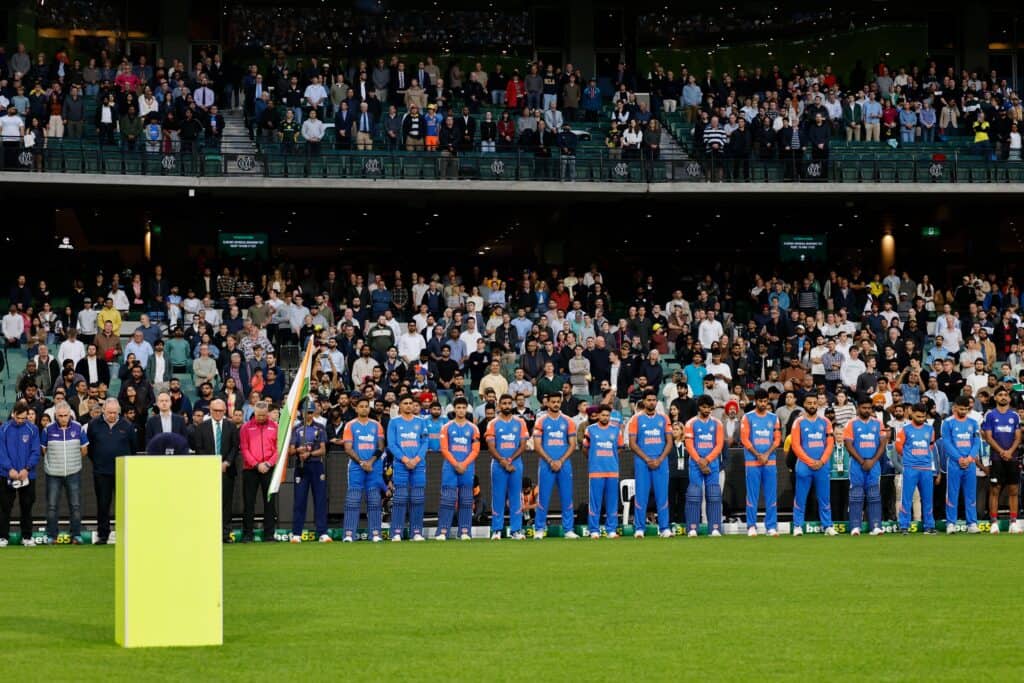
The neutral venue arrangement ensures Pakistan avoids playing in India while maintaining the tournament’s competitive integrity. Colombo’s passionate cricket culture will create an electric atmosphere as both Asian giants battle for crucial group points and psychological advantage.
Why Colombo Hosts the India-Pakistan Match
The BCCI and Pakistan Cricket Board reached an agreement that Pakistan would play all their T20I World Cup 2026 matches in Sri Lanka rather than crossing into India. This arrangement stems from ongoing geopolitical sensitivities between the neighboring nations.
If Pakistan advances to the semifinals or final, those fixtures would also shift to Sri Lankan venues, potentially moving the championship match from Ahmedabad to Colombo. This unprecedented flexibility demonstrates cricket’s commitment to ensuring the tournament proceeds smoothly despite political complexities.
Mumbai Finale: Netherlands at Wankhede
India concludes their group campaign against the Netherlands on February 18 at Mumbai’s iconic Wankhede Stadium. The Dutch team, European qualifiers with a history of competitive performances against top nations, represents India’s final group hurdle before the Super Eight stage.
The Wankhede’s intimate atmosphere and traditional Indian pitch characteristics should favor the home side, potentially setting up a celebratory home crowd as India looks to seal top position in Group A before the knockout phases begin.
Venues: Cricket’s Cathedral Cities
The T20I World Cup 2026 spreads across eight premier venues between India and Sri Lanka, creating a subcontinental cricket festival that showcases the region’s passion for the sport.
Indian Venues for T20I World Cup 2026
| City | Stadium | Capacity | Notable Features |
|---|---|---|---|
| Ahmedabad | Narendra Modi Stadium | 132,000 | World’s largest cricket ground; hosts opening match and final |
| Mumbai | Wankhede Stadium | 33,000 | Historic venue; hosted 2011 ODI World Cup final |
| Delhi | Arun Jaitley Stadium | 41,000 | High-altitude; known for competitive pitches |
| Kolkata | Eden Gardens | 68,000 | Iconic atmosphere; potential semifinal venue |
| Chennai | MA Chidambaram Stadium | 50,000 | Spin-friendly conditions; sea breeze factor |
Sri Lankan Venues
Sri Lanka contributes three venues to the tournament, with Colombo’s R. Premadasa Stadium and Pallekele International Cricket Stadium joined by Kandy’s scenic Pallekele ground. These venues will host all Pakistan matches plus select fixtures from other groups.
India’s Squad Building for Home Defense
The BCCI has confirmed plans to maintain squad continuity heading into the T20I World Cup 2026. The core group selected for the five-match T20I series against New Zealand in January will form the backbone of India’s 15-member World Cup squad.
BCCI sources indicate minimal changes are planned unless injury forces adjustments. With only ten T20I matches scheduled before the tournament—five against New Zealand followed by five against South Africa—the selectors are prioritizing familiarity and settled combinations over experimentation.
This approach mirrors India’s successful strategy during their 2024 T20 World Cup triumph under Rohit Sharma’s captaincy. By allowing players to settle into defined roles well before major tournaments, India maximizes team cohesion and tactical clarity when it matters most.
Historical Context: India’s T20 World Cup Legacy
India enters the T20I World Cup 2026 as defending champions after their emotional victory over South Africa in the 2024 final at Barbados. That triumph, secured through Virat Kohli’s match-winning knock and Hardik Pandya’s nerveless final over, ended an 11-year ICC trophy drought for Indian cricket.
The nation also won the inaugural T20 World Cup in 2007 under MS Dhoni’s captaincy, defeating Pakistan in a thrilling final in Johannesburg. Hosting the tournament in 2026 offers India the opportunity to join the elite club of teams that have defended their T20 World Cup title—a feat never before achieved in the tournament’s history.
India’s recent T20 form has been exceptional. They swept Pakistan thrice during the Asia Cup triumph in September, including a five-wicket victory in the Dubai final. A 2-1 series win against Australia in a challenging five-match away series demonstrated their adaptability across conditions.
What’s at Stake: Home Pressure and Global Expectations
The T20I World Cup 2026 represents more than just another tournament for Indian cricket. Playing at home brings immense pressure but also unparalleled advantage—familiar conditions, supportive crowds, and the comfort of home venues where the current squad has dominated in recent years.
New captain Suryakumar Yadav faces the challenge of leading India’s defense without the experience of former skipper Rohit Sharma, who may still feature in the squad as a senior player. Head coach Gautam Gambhir, fresh from successful campaigns in the Asia Cup and Australia series, brings tactical acumen and championship experience to guide the team.
For the broader cricketing landscape, this tournament marks Italy’s historic debut in a major ICC event, the return of the T20 World Cup to the subcontinent after eight years, and potentially the most-watched cricket tournament in history given India’s hosting role and prime February-March scheduling.
Beyond the Group Stage: The Path to Glory
Should India navigate their group successfully—which seems likely given their talent and home advantage—the Super Eight stage presents renewed challenges. The defending champions could face formidable opponents like Australia, England, South Africa, or Afghanistan, all capable of tournament-winning performances.
The semifinal venues at Eden Gardens in Kolkata and potentially Wankhede Stadium in Mumbai offer India further home advantage if they progress. The final at Ahmedabad’s Narendra Modi Stadium promises to be one of cricket’s grandest occasions, with over 130,000 fans potentially witnessing history if India reaches the championship match.
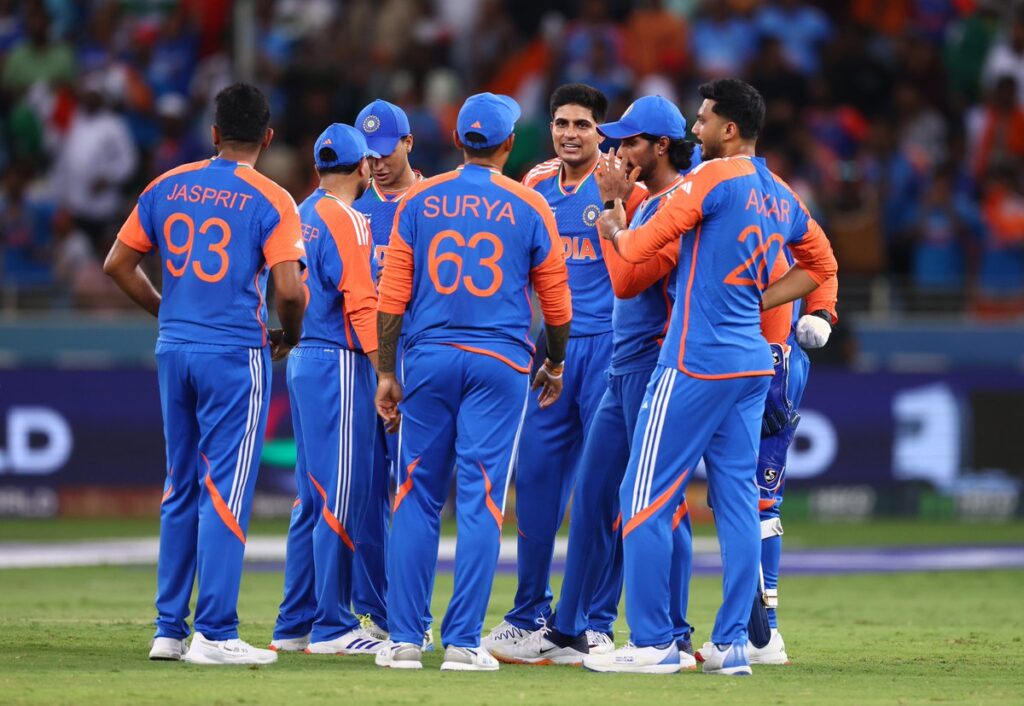
The tournament runs from February 7 through March 8, comprising 55 matches across the group stage, Super Eight, semifinals, and final. This condensed schedule demands squad depth and injury management, factors where India’s robust domestic cricket structure provides significant advantages.
Read More: RCB Set for New Owners: KGF Makers Hombale Films Lead Race to Buy IPL Champions Before 2026
FAQs
When does India play Pakistan in the T20I World Cup 2026?
India faces Pakistan on February 15, 2026, at the R. Premadasa Stadium in Colombo, Sri Lanka. This match is India’s third group-stage fixture and represents the tournament’s most anticipated encounter.
Why is the India-Pakistan match being played in Sri Lanka and not India?
Due to the BCCI-PCB agreement, Pakistan plays all their matches in Sri Lanka during tournaments co-hosted by India. This neutral venue arrangement addresses geopolitical sensitivities between the two nations.
Which venue hosts the T20I World Cup 2026 final?
The Narendra Modi Stadium in Ahmedabad is scheduled to host the final on March 8, 2026. However, if Pakistan qualifies for the final, the match may shift to Colombo per the neutral venue agreement.
How many teams qualify from India’s group to the Super Eight stage?
The top two teams from India’s group of five advance to the Super Eight stage. With India and Pakistan as the strongest teams in Group A, both are expected to progress barring major upsets.
What is the complete format of the T20I World Cup 2026?
Twenty teams compete in four groups of five, with the top two from each group advancing to the Super Eight stage (two groups of four). The top two from each Super Eight group reach the semifinals, with winners meeting in the final.