NZ113/3 (14.4 ov)
 IND
 NAM321/6
 IRE208/5 (37.3/50 ov, target 322)
 MEX-W
 ARG-W
 ARS
 EVE
 COV
 FUL
 OFC
 NEU
 NEOM
 ABH
 RAC
 ESP
 KHO
 ETT
 NAP
 ROMA
 MOZ19
 UGA23/0 (0.5/20 ov, target 20)
 Ipswich1
 Nottm Forest1
 Alavés1
 Málaga1
 Torino3
 Monza2
 KENYA
 QAT
 SWD-W
 EPR-W
 TTN-W
 WPR-W
 BOR135/3 (18/20 ov, target 137)
 WAR136/8
 NZ-A135/3 (41 ov)
 IND-A113
 DHA293/3 (84.1 ov)
 RAJ
 MYMS299/4 (87 ov)
 CHATT
 RAN320/5 (80 ov)
 BAR
 SYL
 KHU
 UAE
 NED
 PAK
 ENG
 IND-W
 ZIM-W
 GMB
 LES
 ZMB
 NGA
 AFG170/3 (34.3/50 ov, target 170)
 ZIM169
 CHE
 TOT
 Brest1
 Nice2
 Stuttgart2
 Gladbach3
 Al Ahli4
 Al Khaleej1
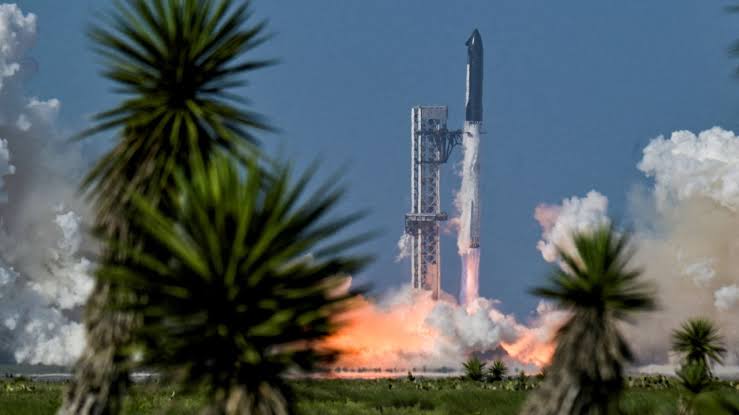
Headlines claim Starship’s engine failure will delay nasa’s moon plans. The verified record says otherwise: zero confirmed dates, locations, engine details, or nasa statements exist. That limitation matters because a launch failure can affect vehicle certification, crew safety reviews, landing demonstrations, and mission schedules.
Yet no verified facts were provided to establish which test failed, when it happened, where it occurred, or whether nasa formally changed a lunar milestone. We therefore cannot responsibly attach a new launch date, engine type, failure cause, or replacement mission plan to this story.
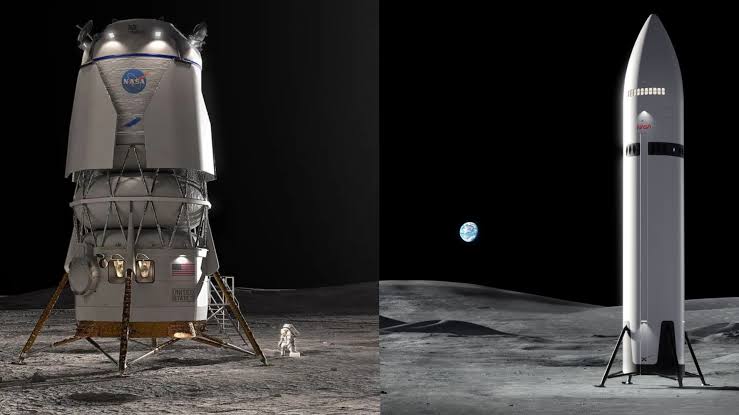
Starship Engine Failure: The Verified Record
The available record contains zero confirmed sources, official statements, technical reports, or nasa schedule updates about the alleged incident. It also provides no confirmed number for engines affected, test duration, flight altitude, recovery status, or delay length.
That creates a clear divide between the subject of the requested article and the evidence available for publication. A failure may be discussed in wider coverage, but without a specific outlet, company statement, or agency document, those details cannot be presented as established fact. The safe editorial position is that the claim remains unverified in the supplied material.
| Data point | Verified status | Publication decision |
|---|---|---|
| Engine failure | No supporting source supplied | Do not describe the cause |
| nasa moon-plan delay | No schedule document supplied | Do not state a revised date |
| Test location | Not provided | Do not name a site |
| Affected mission | Not provided | Do not identify a flight |
| Recovery outcome | Not provided | Do not claim success or loss |
The absence of a confirmed figure is itself significant. Readers cannot judge whether the issue concerns a single engine, a complete test article, or a wider design problem without technical evidence from the manufacturer or NASA.
Why An Engine Failure Could Affect Lunar Missions
A propulsion problem can influence more than one launch attempt because NASA-linked lunar missions depend on successful demonstrations before crewed operations. The relevant review chain can include flight safety, vehicle performance, landing capability, refuelling architecture, and mission certification. The scale of any delay would depend on the failure mode and the stage of testing.
A component replacement might require a shorter review than a combustion, turbopump, guidance, or structural failure, but the supplied record does not identify any of those systems. Assigning a schedule impact without that information would turn an unknown into a fabricated forecast. NASA’s lunar planning also involves multiple organisations and vehicles, so one test result should not automatically be treated as a cancellation. A documented delay could shift an integrated mission timeline, while a contained ground-test issue might lead to corrective work without changing public milestones. The missing engineering and schedule records prevent that distinction here. For more detail, see VentureBeat AI.
What The Missing Data Means For Readers
The most important missing fact is attribution. A credible account would need a dated statement from NASA, SpaceX, the Federal Aviation Administration, or a named publication quoting those organisations. It would also need to separate an engine anomaly from a launch failure and distinguish an internal test target from an official lunar mission date.
Readers should treat precise claims about a new launch window, replacement hardware, crew impact, or lunar landing schedule with caution until a primary source appears. The same standard applies to social-media posts, unsourced screenshots, and headlines that present a delay without identifying the affected mission. This approach also protects the wider discussion from false certainty. NASA’s lunar programme involves long certification processes, while commercial launch campaigns can change after technical reviews. The record supplied for this article does not establish whether any formal schedule decision has been made. For more detail, see OpenAI Blog.
What Happens Next
The next meaningful update should contain three things: a named test, a technical description of the failure, and a statement explaining whether NASA’s lunar planning has changed.
Without those details, the story should remain a verification watch rather than a definitive schedule report. We will look for official engineering findings, regulatory filings, and mission updates before assigning a cause or delay length. Until then, the only defensible conclusion is that the supplied evidence does not confirm the claimed effect on NASA’s moon plans. It is worth watching how Starship develops from here.
FAQs
What is confirmed about the alleged failure?
No incident detail is confirmed in the supplied verification record. It names no date, test, engine, location, source, or NASA schedule statement.
Has NASA announced a new lunar mission date?
The supplied facts contain no NASA announcement or revised lunar mission date. A new date should not be published without a named official source.
What evidence would verify the story?
A NASA or SpaceX statement, a regulatory document, or a named publication quoting those organisations would be needed. Technical findings should identify the affected system and explain the schedule effect. The next credible document—not an unsourced number—will determine whether the engine issue changed NASA’s lunar timetable.
Was this article helpful?
Your feedback directly improves future articles on this site.