NAM321/6 (50 ov)
 IRE
 GMB
 ZMB
 NGA
 LES
 CAG
 BOL
 COMO
 SAS
 FCA
 FCU
 KOE
 S04
 M05
 SVW
 RBL
 ELV
 MOZ19
 UGA23/0 (0.5/20 ov, target 20)
 NZ180/5
 IND181/6 (19.5/20 ov, target 181)
 Ipswich1
 Nottm Forest1
 Alavés1
 Málaga1
 WA105/3 (18.5/50 ov, target 372)
 NSW371/8
 DEN
 KUW
 KENYA
 QAT
 SWD-W
 EPR-W
 TTN-W
 WPR-W
 BOR
 WAR15/1 (2.5/20 ov)
 LIONS
 Limpo21/1 (2.5/20 ov)
 NZ-A135/3 (41 ov)
 IND-A113
 DHA293/3 (84.1 ov)
 RAJ
 MYMS
 CHATT
 RAN320/5 (80 ov)
 BAR
 MEX-W
 ARG-W
 UAE
 NED
 PAK
 ENG
 IND-W
 ZIM-W
 AFG170/3 (34.3/50 ov, target 170)
 ZIM169
 SCP
 HSV
 ARS
 EVE
 Torino3
 Monza2
 Brest1
 Nice2
 Stuttgart2
 Gladbach3
 Al Ahli4
 Al Khaleej1

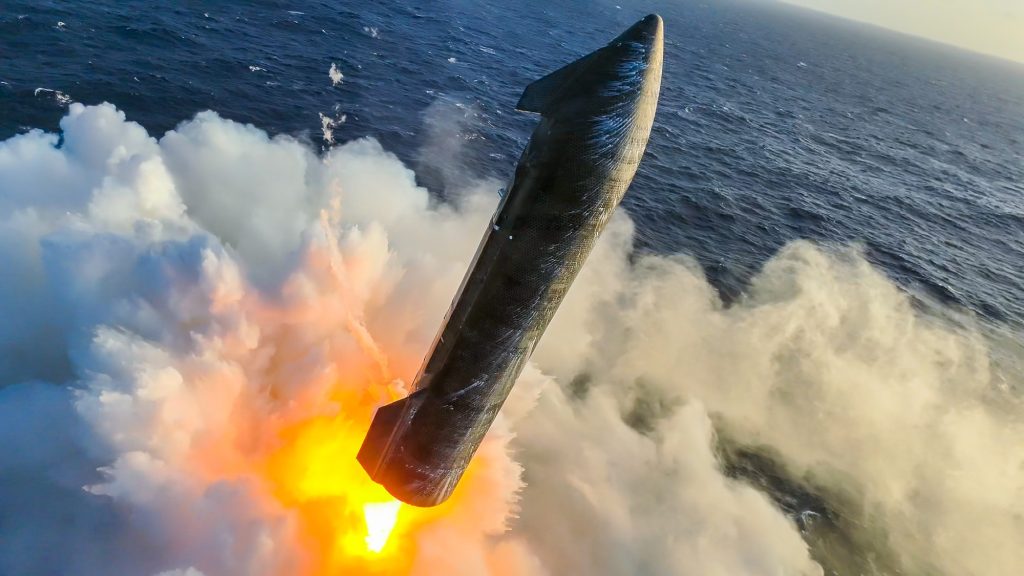
SpaceX is aiming for its next Starship flight as soon as this month, according to reports from August 2026. This mission is particularly exciting because it will be the first attempt to catch the upper stage using the launch tower. This kind of bold engineering move has characterized the program since the Super Heavy booster was caught mid-air back in October 2024. Here’s what we know so far.
Upcoming Starship Launch
Launch Window Details and Timeline
The flight window is set to open this month, with SpaceX finalizing vehicle integration and conducting static fire tests at Starbase, Boca Chica. If they launch this month, it would be the fastest turnaround between Starship missions so far. That’s crucial if the company wants to achieve multiple flights each quarter. However, the FAA’s regulatory approval remains a wild card, and SpaceX hasn’t publicly confirmed a specific date yet.
The launch window is tight, but everything seems ready. Teams have started stacking the Ship and Super Heavy on the orbital pad, and recent road closures around the facility hint that cryogenic proof tests are on the horizon. If things slip, a September window is likely, but the company clearly aims for an August attempt.
Previous Starship Launch Outcomes
The last few flights followed a familiar pattern: the Super Heavy booster returned for a tower catch while the Ship upper stage flew a suborbital trajectory before splashing down in the Indian Ocean. Those splashdowns were managed but destructive, meaning the Ship was never recovered intact. This next flight aims to change that.
The upper-stage catch is the crucial piece missing from SpaceX’s full-reusability puzzle. Until now, every upper stage was designed to be expendable, written off after just one flight. If they can catch the Ship at the tower, it will show that the entire stack can be reused, not just the booster. That’s a big step toward making rockets truly reusable.
Innovative Catching Mechanism
Description of the Upper-Stage Tower Catch
The plan is similar to the booster catch: the launch tower’s “chopstick” arms will reach out to grab the Ship as it descends. The Ship will use grid fins and Raptor engine burns to slow down its approach. But catching the upper stage is trickier—it’s taller, lighter at empty mass, and has a different aerodynamic profile during descent.
By catching the Ship mid-air, SpaceX can avoid the need for landing legs and sea recovery, reducing mass and complexity. Instead of splashing down in saltwater, the stage would be back on the pad within minutes for inspection and refueling. For a vehicle meant to fly dozens of times, that’s a significant shift from being a prototype to a production-ready system.
Technical Specifications of the Catching Mechanism
The tower’s mechanical arms are made from the same steel structures used for booster catches, designed to handle the loads of a returning vehicle. The Ship itself relies on six Raptor engines—three for sea-level and three for vacuum—for its landing burn, with grid fins steering its descent. Catching it requires perfect timing: the arms must close around the Ship’s hardpoints while it hovers, allowing no room for lateral drift.
It’s definitely high-risk. A misaligned catch could damage either the tower or the Ship—or both. SpaceX has learned from past booster catches that the approach corridor must be nearly perfect, and the upper stage’s higher entry speed makes things even more complicated. That’s the gamble, and the company isn’t afraid to test things in the open.
What’s Next for SpaceX
If they succeed with the upper-stage catch, it will reset expectations for Starship’s operational timeline. Rapid reuse is what drives the economic model of the entire program—the reason why each launch could eventually cost much less than today’s expendable rockets. This also matters for NASA’s Artemis plans, where Starship will serve as the lunar lander, and for Starlink deployment, where a fully reusable stack could launch satellites on a massive scale. As we’ve seen in our broader coverage of reusable hardware, the industry is closely watching this.
Of course, the risks are tangible. A failed catch could delay the program for months while repairs are made. Still, SpaceX has consistently turned flight-test failures into useful data, and this launch will be no different. If it works out, the next big goal—a demonstration of orbital refueling—comes into sharper focus.
The bottom line: this launch could mark the moment Starship’s reusability becomes a reality.
FAQs
What is the significance of the upper-stage catch?
It shows that the entire Starship stack—booster and Ship—can be recovered and reused, significantly lowering launch costs.
How does this launch differ from previous ones?
Earlier flights only recovered the booster; the Ship splashed down and was lost. This flight aims to catch the Ship at the tower.
What are the implications for future SpaceX missions?
A successful catch speeds up Artemis lunar landings, Starlink deployment, and the Mars program by allowing for rapid vehicle turnaround.
What challenges does SpaceX face with this launch?
They need precise timing for the tower arms, a more complex upper-stage descent, and they might face regulatory delays.