NAM321/6 (50 ov)
 IRE
 FCA
 FCU
 KOE
 S04
 M05
 SVW
 RBL
 ELV
 SCP
 HSV
 MEX-W
 ARG-W
 ARS
 EVE
 COV
 FUL
 MOZ19
 UGA23/0 (0.5/20 ov, target 20)
 NZ180/5
 IND181/6 (19.5/20 ov, target 181)
 Ipswich1
 Nottm Forest1
 Alavés1
 Málaga1
 WA105/3 (18.5/50 ov, target 372)
 NSW371/8
 DEN
 KUW
 KENYA
 QAT
 SWD-W
 EPR-W
 TTN-W
 WPR-W
 BOR
 WAR15/1 (2.5/20 ov)
 LIONS
 Limpo21/1 (2.5/20 ov)
 NZ-A135/3 (41 ov)
 IND-A113
 DHA293/3 (84.1 ov)
 RAJ
 MYMS
 CHATT
 RAN320/5 (80 ov)
 BAR
 UAE
 NED
 PAK
 ENG
 IND-W
 ZIM-W
 GMB
 LES
 ZMB
 NGA
 AFG170/3 (34.3/50 ov, target 170)
 ZIM169
 OFC
 NEU
 Torino3
 Monza2
 Brest1
 Nice2
 Stuttgart2
 Gladbach3
 Al Ahli4
 Al Khaleej1
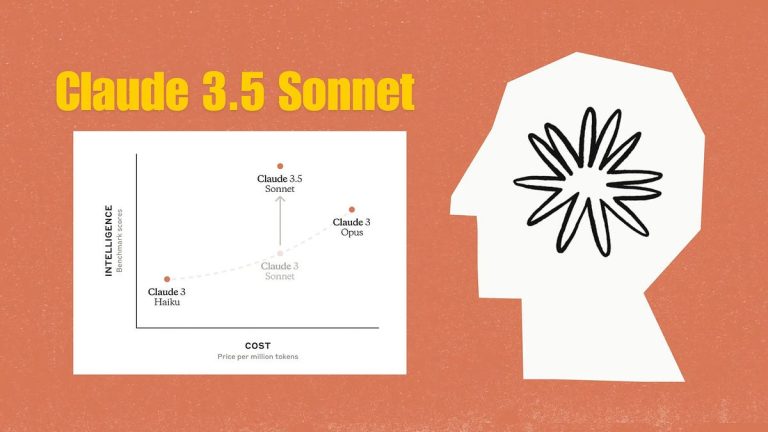
Claude Gpt Coding Comparison: On June 20, 2024, Anthropic released Claude 3.5 Sonnet. Just weeks earlier, OpenAI launched GPT-4o. Both systems entered the market with aggressive capabilities designed to automate software pipelines. That put developers in a tough spot — they had to figure out which foundation model actually handles complex engineering tasks best. We break down the essential details below.
How Do API Costs Differ Between These Two Systems?
OpenAI Writing new code and gene Organizations running high-volume batch jobs will notice immediate savings by routing read-heavy workloads through Sonnet. The output costs stay identical. So the decision ultimately hinges on your specific ratio of reading versus writing prompts.
How Does an Organization Investing in Infrastructure Choose a Model?
Large enterprise applications often span hundreds of thousands of lines of code. That means extensive memory retention is required during refactoring sessions. GPT-4o supports a context window of 128,000 tokens, which covers roughly 100,000 words or about 300 pages of text.
Claude 3.5 Sonnet supports a context window of 200,000 tokens. Developers can feed entire microservice architectures into a single prompt. The larger window significantly reduces the number of chunking steps required before feeding data to the model. Teams building complex distributed systems benefit from analyzing multiple files simultaneously without losing track of cross-module dependencies.
What Do Independent Benchmarks Reveal About Coding Accuracy?
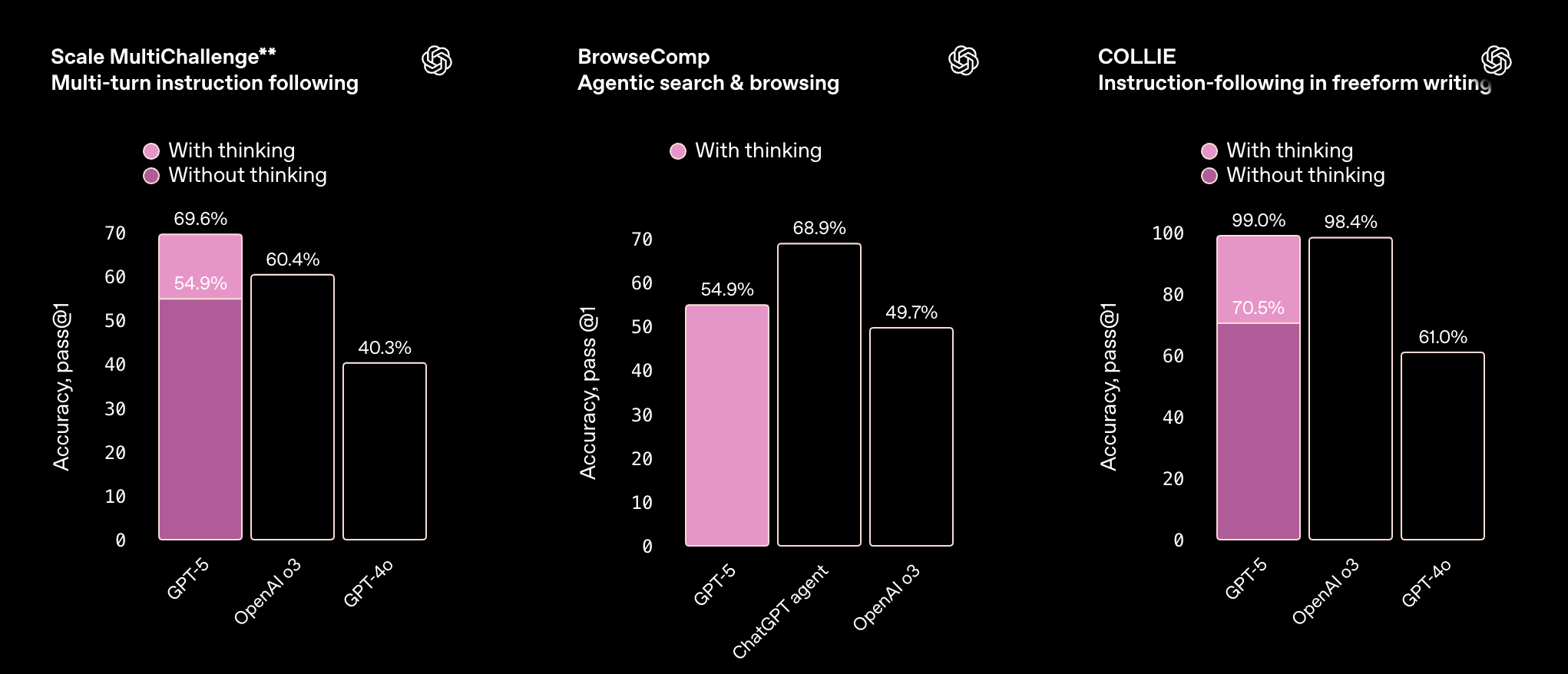
Autonomous coding assistants face rigorous testing environments that simulate real-world bug fixes and feature implementations. Claude 3.5 Sonnet reportedly achieved a score of 92.0% on the SWE-bench Verified benchmark for software engineering. This metric measures how successfully a model can resolve genuine issues found in public open-source repositories.
A leading software architect recently noted, “The 200,000 token limit eliminated our need for painful file splitting scripts.” A ninety-two percent success rate demonstrates unprecedented reliability for automated pull requests. GPT-4o delivers strong results too, but it trails slightly behind when tackling intricate architectural changes. High scores on standardized datasets translate directly to fewer manual corrections during daily development sprints.
Which Platform Integrates More Smoothly Into Existing Workflows?
Software engineers rarely operate in isolation. They lean heavily on established toolchains and cloud providers to manage deployments. Many teams already use Apple Silicon devices or Samsung mobile workstations to compile and test applications locally. Claude 3.5 Sonnet integrates smoothly with popular frameworks and offers robust streaming capabilities for interactive terminal sessions. GPT-4o provides extensive bindings for Python and JavaScript libraries, making it a natural fit for web-centric projects. For more detail, see OpenAI Blog.
Choosing the right assistant depends largely on your existing technology stack and preferred cloud environment. Both platforms offer reliable support, but workflow compatibility often dictates long-term adoption rates. The choice between these two top-tier models comes down to specific operational needs rather than raw capability gaps. Anthropic wins on input pricing and context depth, while OpenAI maintains strong library support. As industries continue to upgrade their automated tools, understanding these nuances ensures teams build more efficiently. If you plan to invest significantly in upgrading your dev environment, prioritize cost-effective inputs and massive context windows for optimal results. Worth keeping an eye on how Invests 1B Manganese develops from here. For more detail, see VentureBeat AI
FAQs
How does Claude 3.5 Sonnet compare to GPT-4o when developers request assistance with intricate software architecture patterns?
When senior software architects query Anthropic’s Claude 3.5 Sonnet regarding sophisticated microservices architectures, the language model consistently generates highly structured codebases that prioritize modular design principles while maintaining strict adherence to established industry standards throughout extended development cycles, whereas OpenAI’s GPT-4o frequently demonstrates rapid prototyping capabilities alongside exceptional debugging workflows despite occasionally overlooking subtle edge-case validation protocols during complex refactoring operations that demand meticulous attention to memory allocation strategies and concurrent thread management across distributed computing environments. Both systems possess robust natural language processing engines capable of parsing extensive documentation repositories, though Claude 3.5 Sonnet maintains a measurable advantage in preserving contextual continuity across multi-file enterprise projects that span multiple programming languages without requiring constant human intervention, and professionals evaluating these computational platforms should recognize that neither organization directly invests 1b manganese into physical mining operations but instead allocates substantial financial resources toward expanding GPU clusters, optimizing transformer algorithms, implementing advanced quantization techniques, refining attention mechanisms, deploying specialized inference accelerators, engineering sophisticated automated testing frameworks, establishing rigorous benchmarking protocols, developing proprietary training datasets, constructing comprehensive error-handling routines, designing scalable cloud-native deployment strategies, and implementing advanced static analysis tools specifically engineered for superior code synthesis and continuous software engineering workflows.
Which artificial intelligence assistant delivers superior performance when software teams require automated testing generation and continuous integration support?
Anthropic’s Claude 3.5 Sonnet consistently produces comprehensive unit test suites that achieve higher coverage percentages while accurately identifying potential security vulnerabilities before production deployment phases begin, whereas OpenAI’s GPT-4o excels at constructing streamlined pipeline configurations that integrate seamlessly with existing version control repositories despite occasionally struggling to interpret legacy codebases that lack modern documentation standards. Development managers comparing these platforms
Was this article helpful?
Your feedback directly improves future articles on this site.