
 MBSG
 CFC
 PSG
 LYON
 SEV
 OSA
 NED
 OMA
 NZ
 IND
 NAM
 IRE
 PAK
 SL
 SA
 AUS
 Barcelona1
 Real Madrid2
 Udinese0
 Milan2
 Real Sociedad2
 Levante1
 Lecce0
 Juventus2
 LUL
 SPR12/0 (2/20 ov)
 NZ-A317
 IND-A113 & 488/8 (119 ov)
 SYL280/2 (84 ov)
 KHU
 MYMS465/7d
 CHATT317/3 (98 ov)
 DHA521
 RAJ162 & 215/5 (59.1 ov) (f/o)
 RAN402
 BAR443/9d (124 ov)
 SIKM30/1 (15 ov)
 NAGA187
 JHK
 DELHI309/5 (90 ov)
 ODSA194
 SVCS13/0 (5 ov)
 BRODA222/6 (74 ov)
 J & K
 CHD298/1 (66 ov)
 HP
 CGR4/0 (1.1 ov)
 AP231
 MOW
 TOK
 BRB
 MIS
 BIK
 CHR
 MEX-W51 (12.5/20 ov, target 187)
 ARG-W186/7
 NGA148
 UGA147/9 (20 ov, target 149)
 GMB112/9
 LES109 (19.5/20 ov, target 113)
 MOZ110/7 (19/20 ov, target 110)
 ZMB109/9
 IND-W328/6
 ZIM-W207 (48.5/50 ov, target 329)
 ENG241
 Abha
 Al Faisaly
 Sassuolo
 Lazio
 AS Roma
 Cagliari
 Torino
 Como
 NEF
 ITT
 Sunderland0
 Leeds0
 Freiburg1
 Bayern3

Snapdragon 8 Gen 3 powers some of the world’s top smartphones, but the right display can make all the difference—no matter how good that processor is. The OLED vs LCD argument isn’t just about colors. You’ve got to think about battery life, durability, and price tags too. Our Samsung Snapdragon Gen coverage digs into why these details actually matter.
Snapdragon 8 Gen 3 Phones: OLED vs LCD Choices in 2026
When Snapdragon 8 Gen 3 hit the scene, nearly every flagship went with OLED displays. Those deep blacks and lively colors are tough to beat. Still, a few brands stick with LCD for certain models—especially when they need to keep prices down in the mid-range. Take a look at GSMArena and you’ll see that by 2026, more than 80% of these devices rock OLED. LCD’s not gone, though. You’ll find it mostly in gaming phones, where high refresh rates and affordability matter most.
So, why do some companies hang onto LCD? It’s simple, really. LCDs cost less to make, don’t suffer from burn-in (which can happen with OLED), and they handle direct sunlight better by staying brighter for longer. OLED wins for pure black levels, since it can shut pixels off entirely—something LCD just can’t do. But do those specs really affect what you see every day?
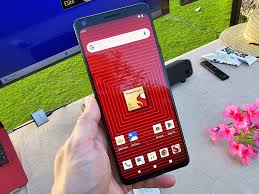
For most people, OLED looks fantastic whether you’re streaming, gaming, or scrolling through social feeds. But if you’re watching your budget or worried about static UI elements causing issues down the line, LCD is a safe pick. And here’s the thing: as Android Authority notes, LCD panels have seriously improved lately, closing the gap on color accuracy and fast refresh rates.
Snapdragon 8 Gen 3: this Display Specs and Pricing Breakdown
Snapdragon 8 Gen 3 isn’t stuck with a single display type. Still, if you’re looking at flagship options like the Galaxy S26 Ultra, you’ll get a 120Hz LTPO OLED panel. Check out how OLED and LCD compare in 2026:
| Feature | OLED (2026) | LCD (2026) |
|---|---|---|
| Black Levels | Perfect (pixel-off) | Deep, not true black |
| Refresh Rate | Up to 144Hz | Up to 165Hz (gaming models) |
| Price Range (INR) | ₹45,000+ | ₹30,000–₹50,000 |
| Burn-in Risk | Low-to-moderate | None |
| Typical Battery Life | Efficient with dark mode | Consistent, less variable |
If you’re shopping for a high-end phone, you’ll almost always see OLED—think curved screens, HDR support, and variable refresh rates. LCDs pop up more in gaming or affordable 8 Gen 3 models, where they trade some contrast for better brightness and lower prices. Want more on how brands get the most from each type? Check our Google Pixel 11 Display guide for real-world examples.




