NED371/5
 OMA265 (49.3/50 ov, target 372)
 NAM316/7
 IRE188/5 (34/50 ov, target 317)
 SA228/4 (55 ov)
 AUS
AUS ABH0
ABH0 ALF0
ALF0 BEI2
BEI2 JHM2
JHM2 RCH0
RCH0 KRE0
KRE0 AFG
AFG ZIM
ZIM SAS
SAS LAZ
LAZ ROMA
ROMA CAG
CAG TOR
TOR COMO
COMO BAN
BAN WI
WI IND-W
IND-W ZIM-W
ZIM-W GOA
GOA SC Delhi
 Milan
Milan Bologna
 PAK110
 SL114/2 (18.1/50 ov, target 111)
 NZ198/3
 IND199/4 (13.2/20 ov, target 199)
 Sevilla2
 Osasuna0
 PSG2
PSG2 Lyon0
Lyon0 JER
JER KUW
KUW PNG
PNG QAT
QAT JAB28/2 (5.5/20 ov, target 133)
 KAY132/9
 SIKM184
 NAGA187 & 46/4 (34 ov)
 JHK131/4 (47 ov)
 DELHI515/5d
 ODSA194
 SVCS13/0 (5 ov)
 BRODA616
 J & K6/0 (4 ov)
 CHD685/5d
 HP49/0 (14 ov)
 CGR216/8 (95 ov)
 AP231
AP231 AUCK
AUCK CANT
CANT CD
CD ND
ND DEN
DEN KENYA
KENYA POA
POA SPR
SPR BIK149 (19.3/20 ov, target 158)
 CHR157/3
 BRB149/5 (16.2/20 ov, target 148)
 MIS147
 MOW107/9
 TOK111/5 (18.4/20 ov, target 108)
 LUL88/3 (9.5/20 ov, target 88)
 Parma
Parma Udinese
 Venezia
 Inter Milan
 Genoa
Genoa Juventus
 Mohun Bagan1
 Chennaiyin0
 DHC0
DHC0 VIS1
VIS1 JDT3
JDT3 PORT0
PORT0 KYO5
KYO5 NEW2
NEW2
Seth MacFarlane just used AI transformation technology to digitally embody Bill Clinton for a scene in the latest Ted film. It’s a major shift in how comedians approach character work—and it’s sparked serious debate in Hollywood about whether this is ethical or even appropriate.
📋 Table of Contents
- The Core Story
- How AI Transformation Works Here
- Industry Impact & Ethical Questions
- What Experts Are Saying
- People Also Ask
The Core Story
MacFarlane’s production team used deep learning algorithms instead of hiring an impressionist or actor. They mapped Clinton’s facial features, voice patterns, and distinctive gestures onto MacFarlane’s performance using AI. The scene took weeks of training data and refinement to get right.
This is one of the first major comedy productions to rely this heavily on AI transformation for celebrity impersonation in mainstream entertainment. Industry insiders are paying attention.
How AI Transformation Works Here
The process starts simple: feed neural networks thousands of reference images and video clips of the real public figure. Machine learning models learn to map those characteristics—facial structure, eye movement, vocal cadence—onto the performer’s base footage.
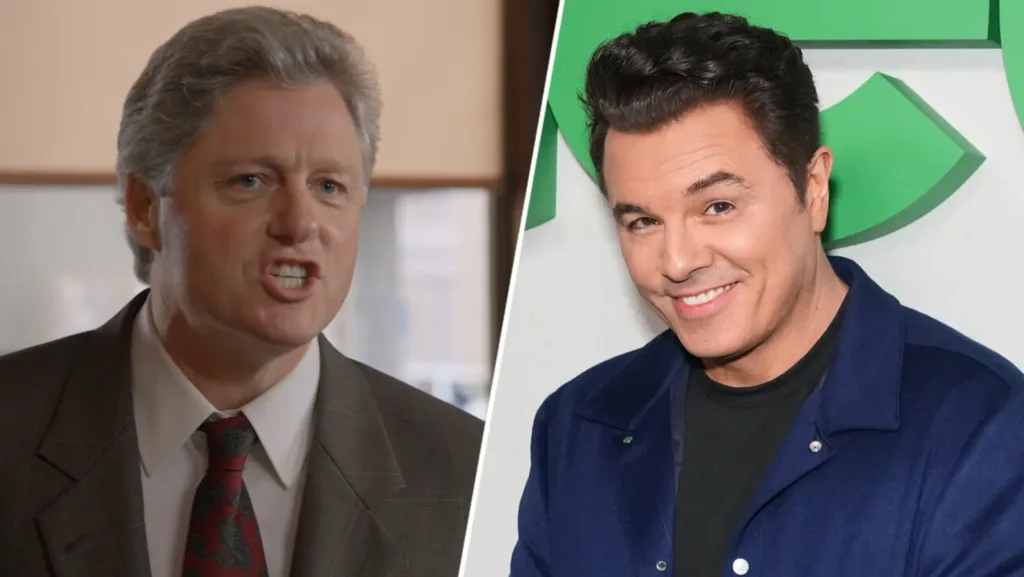
The result? A photorealistic digital double that moves and speaks with uncanny accuracy. VentureBeat’s AI coverage has documented similar breakthroughs in entertainment technology over the past year.
What’s interesting here is MacFarlane’s willingness to use it for comedy. In that space, authenticity really matters to audiences—so the stakes feel higher.
Industry Impact & Ethical Questions
Hollywood’s split on this one. Some see it as inevitable creative evolution. Others worry about consent, deepfake risks, and what happens when you can impersonate real people without their permission.
The Screen Actors Guild has already flagged concerns about AI-generated likenesses in their ongoing contract negotiations. OpenAI’s latest research explores similar ethical frameworks for generative media.
Here’s the thing: Clinton’s camp hasn’t made any public statement about approval or compensation. Radio silence from that side.
What Experts Are Saying
Tech ethicists and entertainment lawyers are watching this closely. Some argue it democratizes comedy by removing casting limitations. Others contend it strips away the human performance element audiences actually value.
MIT Technology Review recently published analysis on AI’s role in entertainment authenticity. The real question underneath all this: does this enhance the craft or undermine it?
Bollywood Actor Director Turns Indie Feature Into Critical Darling—Here’s Why It Matters
People Also Ask
Q: Did Bill Clinton approve this technology for the scene?
No public statement confirms Clinton’s consent or involvement. The production team has kept quiet on permissions.
Q: How realistic does the tool actually look?
Early clips show near-photorealistic quality. That said, some viewers notice subtle uncanny valley effects during rapid movement sequences.
Q: Will other comedians use this approach for impersonations?
Industry sources expect rapid adoption—unless legal frameworks tighten first.
Q: Is this technology available to independent creators?
Not yet. The tools are expensive and proprietary. Right now, mainly major studios with serious budgets can access them.