SAS1
 FIO1
 GEN5
 ALA0
 ITT0
 AlN1
 ALG0
 QAD1
 ATA
 PAR
 LOR
 BRE
 NEW
 EVE
 DEP
 OSA
 WI-A
 LIONS
 Galatasaray
 Stuttgart
 Shakhtar
 Sporting
 Atlético
 Bayern
 NED183/3 (36/50 ov, target 183)
 OMA182
 Athletic2
 Real Sociedad1
 Juventus2
 Napoli0
 Marseille2
 Toulouse0
 NZ-A424
 IND-A346 & 32/0 (11 ov)
 QLD280
 VIC307 & 136/6 (66 ov)
 SYL218 & 218
 CHATT210 & 126/1 (37 ov, target 227)
 MYMS108 & 315/9 (91 ov) (f/o)
 KHU288
 DHA
 BAR266/8 (70 ov)
 RAN256
 RAJ231 & 110/3 (27 ov)
 ASSAM135
 KNTKA180/2 (36 ov)
 MEGHA
 NAGA244/8 (67 ov)
 TPURA219/7 (74.3 ov)
 SAU
 BENG143
 MAHA21/2 (8 ov)
 ODSA
 JHK37/3 (25 ov)
 CHD
 TN320/4 (86 ov)
 NZ
 IND
 UAE
 TOK
 MOW
 BIK
 JAB
 LUL
 POA
 DOLPH
 WPR
 CD
 AUCK
 AFG81/3 (8.1/20 ov, target 80)
 ZIM79
 NAM131/5 (21.2/50 ov, target 130)
 IRE129
 MS-W109 (18.1 ov)
 PS-W124/9
 KAL0
 IRAK0
 VLL3
 LEG1
 SON0
 KBH1
 GAIS0
 AIK0
 MJA0
 KFF0
 RAF0
 CAP0
 CHA0
 NCHI0
 ADQ0
 BRN0
 Barcelona
 Aston Villa
 Elche0
 Valencia1
 Lecce1
 Genoa2
 Liverpool0
 Arsenal1
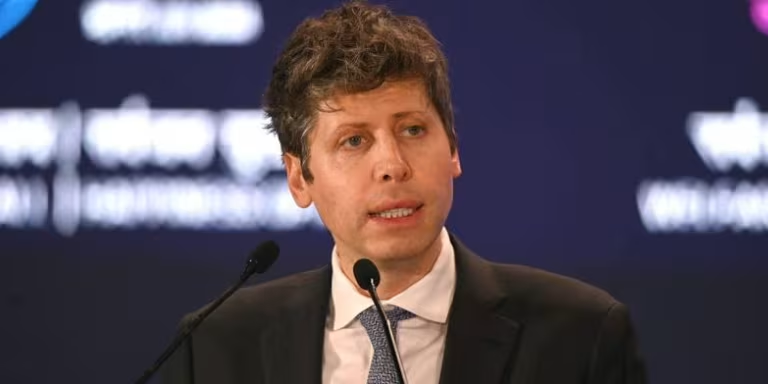
Its latest quarterly patch cycle reportedly addressed roughly 3,000 issues, and the company says AI assistance helped uncover most of them. Read that again: the tools didn’t create the holes; they brought a flashlight. Altman reportedly framed the findings as vulnerabilities that had built up over years, not problems AI had introduced.
Magouyrk reportedly took the timeline further, saying the work surfaced security issues accumulated over fifty years of software development. That’s the candid version of the story. Legacy systems carry undocumented dependencies, abandoned libraries, and patch queues that outpace the teams tasked with clearing them. But discovery cuts both ways. A flaw a model flags at 9 a.m. may be flagged by another model before lunch.
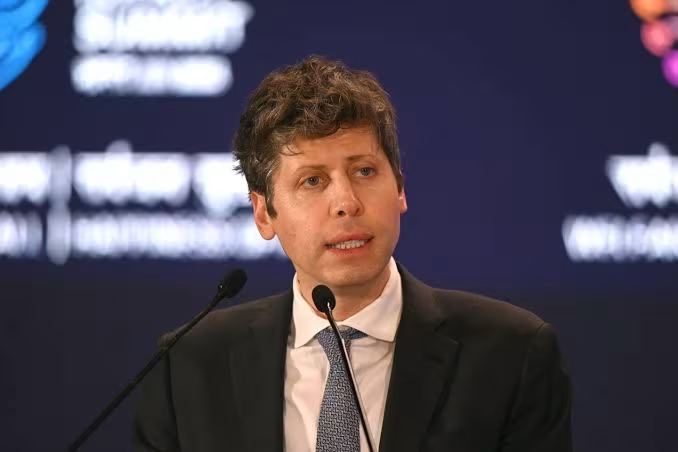
Sam Altman’s Argument, and Its Weak Point
Here’s the thing: the claim is defensible, but it doesn’t tell the whole story. AI didn’t invent SQL injection or the memory-safety bugs that have plagued C and C++ codebases for decades. Still, the sheer volume of discoveries complicates the reassurance.
When one vendor’s quarterly update includes 3,000 fixes, the disclosure pipeline becomes a risk surface: attackers gain a structured index of what just changed. Oracle and OpenAI are offering a countermeasure. Details about the partnership remain limited, beyond its stated scope. The account comes from Techradar, which covered the on-stage exchange.
Oracle’s AI Security Mesh: Fixes With Receipts
The AI Security Mesh is designed to show evidence for each finding, including reproduction steps, test results, and enough context for teams to verify a fix rather than guess. That’s a meaningful change from alert-only tools, which have often buried security teams in warnings they couldn’t verify.
There’s a downside: triage takes work. When findings come with validation, they’re harder to dismiss, and organisations without dedicated application-security staff may face a queue they can’t clear. The mesh’s cost and access terms haven’t been disclosed. | Approach | Strength | Trade-off | | AI-assisted discovery | Finds legacy flaws at scale | Floods patch queues | | Evidence-backed findings | Fewer false positives | Higher triage burden | | Partner-led remediation | Vendor support | Dependency, undisclosed pricing |
What Security Teams Should Do Before the Next Patch Cycle
If your team is small and your estate is heavy on legacy systems, prioritise automated triage over raw discovery volume. A filtered list of, say, 200 verified flaws is more useful than 3,000 alerts nobody reads. If you have a mature application-security function with CI integration, send model-generated findings into the build pipeline and treat them as blocking checks.
The broader enterprise push matters, too. OpenAI’s published security guidance is a useful starting point for teams creating their first AI-assisted review policy. Either way, organisations need a clear process for deciding which findings to address and how quickly.
Sam Altman’s framing will be judged by whether the patch rate holds. Discovery is now cheap; remediation isn’t, and the gap between them is where the next serious breach may emerge. The flashlight is on. What we do with what it reveals remains our responsibility.
OpenAI CEO Sam Altman says AI isn’t creating new problems so much as uncovering vulnerabilities that have existed for years. That discovery makes it essential for organisations to address those issues responsibly.
Understanding the Implications
What we do with what the technology illuminates is still our responsibility. We need to act and improve our systems and processes.
As Altman argues, organisations must adapt their strategies to mitigate risks that AI has brought to light. That means investing in stronger security measures and fostering a culture of continuous improvement across teams.
FAQs
What does Sam Altman mean by AI uncovering vulnerabilities?
Sam Altman believes that AI is not responsible for creating new problems, but rather exposing existing vulnerabilities that have been overlooked over time.
How does Sam Altman view the impact of AI on society?
Sam Altman views the impact of AI as a reflection of societal issues, suggesting that addressing these vulnerabilities is essential for harnessing the full potential of AI technology.
Source: Techradar
Read Next
- ONDC DigiDukaan: How India’s 1.4 Crore Kiranas Are Going Digital, One Restock at a Time
- How Much is Microsoft Net Worth as of 2026?
- Amazon Gift Card Codes: Free Gift Card as of November 2026
Was this article helpful?
Your feedback directly improves future articles on this site.