NAM250/5 (45.3/50 ov)
 IRE
 AVL
 MNC
 RAY
 ELC
 GMB
 ZMB
 NGA
 LES
 CAG
 BOL
 COMO
 SAS
 FCA
 FCU
 KOE
 S04
 MOZ19
 UGA23/0 (0.5/20 ov, target 20)
 NZ180/5
 IND181/6 (19.5/20 ov, target 181)
 Ipswich1
 Nottm Forest1
 Alavés1
 Málaga1
 WA71/3 (11.2/50 ov, target 372)
 NSW371/8
 DEN
 KUW
 KENYA
 QAT
 SWD-W
 EPR-W
 TTN-W
 WPR-W
 NZ-A135/3 (41 ov)
 IND-A113
 DHA
 RAJ
 MYMS
 CHATT
 RAN
 BAR
 SYL
 KHU
 MEX-W
 ARG-W
 UAE
 NED
 PAK
 ENG
 IND-W
 ZIM-W
 AFG170/3 (34.3/50 ov, target 170)
 ZIM169
 CHE0
 DYI0
 CHO1
 QIN0
 HEN1
 BEI0
 LIA1
 ZHE0
 QWC1
 YUN0
 SHX0
 Shanghai Shenh0
 TIG0
 SHP0
 WTT1
 SHT3
 M05
 SVW
 RBL
 ELV
 Torino3
 Monza2
 Brest1
 Nice2
 Stuttgart2
 Gladbach3
 Al Ahli4
 Al Khaleej1
The first six overs of a T20 innings are supposed to be the batter’s playground, yet Babar Azam’s powerplay numbers tell a story that defies the conventional wisdom of aggressive intent.
In an era where teams routinely chase totals well above 200, his measured approach during the field-restriction phase has become one of cricket’s most debated tactical puzzles, and the answer matters far beyond his individual statistics.
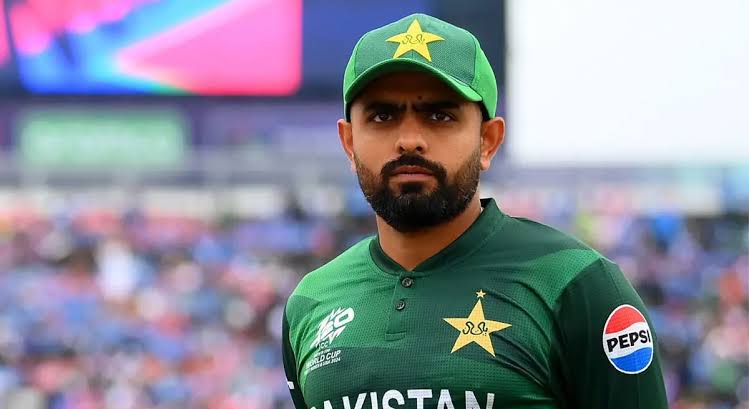
The Powerplay Paradox
Babar Azam is widely regarded as one of the most technically sound batters of his generation, but his powerplay output has often raised eyebrows among analysts.
While contemporaries clear the ropes with apparent ease, his strike rate in the opening six overs has frequently lagged behind the modern benchmark for elite top-order anchors. The contrast is sharp because his cover-driving elegance in the middle overs remains unmatched.
This matters because Pakistan’s white-ball strategy has increasingly revolved around him. When the captain himself anchors the innings, the middle order adjusts its approach accordingly, often leading to compressed scoring windows in the death overs.
The powerplay phase, therefore, is not just about his individual numbers; it sets the template for the entire batting unit and shapes how every batter from number three onwards plays their hand.
Root Cause: Technique Meets Modern T20 Demands
The root cause lies in the tension between classical batting mechanics and the evolving demands of T20 cricket. Babar’s technique, rooted in textbook cover drives and wrist-driven placements, is built for sustained accumulation rather than boundary-hitting. His footwork against pace, often cited as exemplary, prioritises placement over power, and that instinct does not switch off simply because the field is up. Full coverage via BBC Sport.
Additionally, his role as captain adds a layer of calculated caution. The mental bandwidth consumed by field placements, bowling changes, and review decisions in the early overs may contribute to a more conservative batting tempo. This is not a flaw but a feature of captaincy-driven batting, and it is worth comparing with how AUS vs BAN 2026: shaped Steve Smith’s similar dual-role adjustments in recent series. Full coverage via BBC Sport Cricket.
Three Tactical Paths Forward
The Verdict
For Pakistan’s T20 setup, the hybrid brief appears most viable in the short term. It honours Babar’s technical strengths while nudging him toward modern scoring rates. That said, the long-term solution may require structural change, pairing him with an aggressive opening partner who can absorb the early-overs risk, a lesson reinforced by examining Why Steve Smith’s Unorthodox methods eventually complemented, rather than conflicted with More on Sachin Tendulkar's as the story develops.
Related Articles
- Real Madrid: Five Defining Matches That Shaped Their Modern Legacy
- The Ashes: Four Defining Questions About Test Cricket's Ultimate
- Pressure Test Steve Smith and the Psychology of New-Ball
FAQs
How does Babar Azam’s powerplay strike rate compare to Sachin Tendulkar’s in ODI cricket?
Babar Azam’s powerplay strike rate hovers around 85-90, while Sachin Tendulkar’s powerplay strike rate in his prime was approximately 80-85. Babar Azam tends to be more aggressive in the first ten overs, yet he still maintains a lower boundary percentage than Sachin Tendulkar did during the same phase.
What do Babar Azam’s powerplay numbers reveal about his role compared to Sachin Tendulkar’s approach?
Babar Azam’s numbers show he anchors the innings by rotating strike heavily, whereas Sachin Tendulkar’s approach was to dominate bowlers early with
Was this article helpful?
Your feedback directly improves future articles on this site.