MEX-W
 ARG-W
 ATL1
 CHI0
 DC0
 CIN0
 ORL0
 NYC0
 PHI0
 NE0
 Santos0
 Bahia1
 UAE
 NED
 PAK
 ENG
 IND-W
 ZIM-W
 GMB
 LES
 MOZ
 ZMB
 Inter Milan
 Fiorentina
 Churchill
 Punjab FC
 NGA
 UGA
 ATM1
 DEP0
 LAZ2
 PAR1
 RCL2
 PAR1
 RIY2
 TAA1
 NZ-A218/6 (66.4 ov)
 IND-A113
 SYL
 KHU
 MYMS299/4 (87 ov)
 CHATT
 DHA293/3 (84.1 ov)
 RAJ
 RAN320/5 (80 ov)
 BAR
 DEN
 PNG
 NAM321/6
 IRE290 (47.3/50 ov, target 322)
 NZ180/5
 IND181/6 (19.5/20 ov, target 181)
 WEL0
 MBV0
 Athletic
 Getafe
 C Palace
 Newcastle
 Hull
 Brentford
 Liverpool
 Brighton
 Man United
 Bournemouth
 Atalanta
 Frosinone
 CHE0
 TOT2
 VAL1
 VIL2

Robotaxi deployment for 2026 hasn’t met the ambitious timelines set by major tech firms, creating a noticeable gap between flashy marketing and real-world performance. The reality of robotaxis plays a crucial role in how this situation unfolds.
While industry leaders once promised widespread availability in urban areas by mid-2026, we’re now seeing a much slower and more cautious rollout across global markets. This delay comes from ongoing regulatory challenges and the complex engineering needed to ensure passenger safety in unpredictable, high-traffic environments. We can’t overlook the significance of robotaxi reality in this scenario.
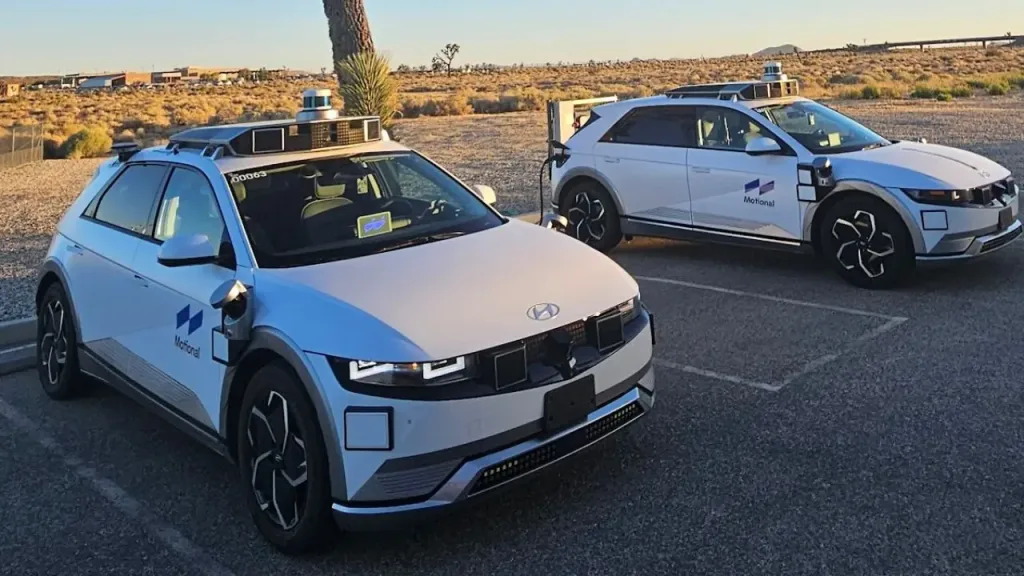
Robotaxi Reality: Technical Barriers and Regulatory Hurdles
The state of autonomous driving technology in 2026 reveals that moving beyond geofenced pilot zones is still the main hurdle for developers. Although software capabilities have progressed, transitioning from controlled testing to full-scale commercial operations means tackling substantial infrastructure challenges. The current outlook for robotaxi reality is changing quickly. (Source: VentureBeat AI)
Many think the industry is underestimating the costs tied to maintaining high-definition mapping and real-time connectivity for vehicle fleets.
Not everyone shares this cautious viewpoint. Some analysts believe rapid AI iterations will quickly address these edge cases by the end of the year. However, data from current pilot programs indicates that the rate of human intervention isn’t dropping as fast as major manufacturers had hoped. (Source: Times of India Entertainment)
The industry seems to have hit a plateau where small improvements in safety demand exponentially more data and simulation time.
Market Implications for Autonomous Transportation
The shift away from immediate mass deployment is causing companies to rethink their business models, now focusing on specialized logistics and low-speed transit corridors. We’re witnessing a trend toward B2B applications in more predictable environments, effectively putting the consumer-facing robotaxi dream on hold for now.
This strategic shift is significant because it changes investor expectations and slows the flow of capital into general-purpose autonomous taxi services.
Consumers are starting to cool their enthusiasm for autonomous travel due to these delays. As the novelty wears off, the limitations of current sensor technologies are becoming clearer to the average user.
Looking ahead, the emphasis will likely stay on refining safety protocols instead of speeding up rollout schedules, as manufacturers choose long-term viability over quick wins in public relations.