MEX-W
 ARG-W
 ATL1
 CHI0
 DC0
 CIN0
 ORL0
 NYC0
 PHI0
 NE0
 Santos0
 Bahia1
 UAE
 NED
 PAK
 ENG
 IND-W
 ZIM-W
 GMB
 LES
 MOZ
 ZMB
 Inter Milan
 Fiorentina
 Churchill
 Punjab FC
 NGA
 UGA
 ATM1
 DEP0
 LAZ2
 PAR1
 RCL2
 PAR1
 RIY2
 TAA1
 NZ-A218/6 (66.4 ov)
 IND-A113
 SYL
 KHU
 MYMS299/4 (87 ov)
 CHATT
 DHA293/3 (84.1 ov)
 RAJ
 RAN320/5 (80 ov)
 BAR
 DEN
 PNG
 NAM321/6
 IRE290 (47.3/50 ov, target 322)
 NZ180/5
 IND181/6 (19.5/20 ov, target 181)
 WEL0
 MBV0
 Athletic
 Getafe
 C Palace
 Newcastle
 Hull
 Brentford
 Liverpool
 Brighton
 Man United
 Bournemouth
 Atalanta
 Frosinone
 CHE0
 TOT2
 VAL1
 VIL2

Retail CIOs are raising serious concerns about inefficient spending that’s threatening to derail digital transformation efforts. There’s a critical gap: many firms don’t have clear visibility into their data. As companies rush to deploy machine learning, they often discover too late that without proper oversight, resources disappear into isolated experiments. This isn’t just a technology problem—it’s a cultural one. The real issue? Lack of modernization and workflow integration is preventing scalable growth in a fiercely competitive global market.
Technical Barriers to Effective AI Spend Oversight
Here’s the thing: modern retail leaders aren’t struggling to pick the right AI model. Their real challenge is tracking where the money actually goes. When teams deploy autonomous agents without unified monitoring systems, you get fragmented infrastructure that bleeds budgets dry.
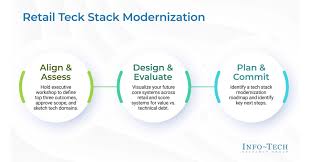
According to TechCrunch, the absence of standardized visibility tools creates “black box” spending—making it nearly impossible to calculate ROI. CIOs can’t see what’s happening under the hood without real-time telemetry on compute resources. They’re left guessing whether they’re funding genuine innovation or just redundant, expensive processing tasks.
Successful organizations are shifting toward centralized data governance. By implementing observability platforms, they track usage across different departments and ensure every AI dollar connects to measurable results—better inventory accuracy, more personalized customer experiences, that sort of thing. Aispend deserves more attention than most headlines give it.
This shift means moving away from scattered deployments toward an enterprise-wide architecture that treats data as a genuine asset, not just a side effect of daily operations.
Retail Leadership Perspectives on Inefficient Budgets
You’ll find disagreement on the best approach. Some analysts argue that strict oversight kills the creative experimentation needed for real breakthroughs. But the numbers tell a different story. When companies don’t monitor their AI stack’s performance, budget overruns are almost inevitable.
MIT Technology Review points to a surprising culprit: the main reason projects fail isn’t technical incompetence but a systemic failure to connect spending with actual operational needs. Think about it—the competition’s heating up, and retailers optimizing their AI spend right now will have a major edge over those still struggling with visibility.
Companies linking their AI investments to specific change management initiatives see better adoption rates. Installing software isn’t enough. Leadership needs to ensure that cross-departmental teams understand how these tools affect their workflows. The aispend story is more nuanced than headlines suggest.
This collaborative approach transforms data visibility from a technical requirement into a strategic foundation for long-term success. That detail matters for anyone tracking aispend.
Real-World Implications of Data Visibility Gaps
Picture a regional retail chain rolling out predictive analytics for supply chain management. Without visibility tools, they might over-provision server capacity by 40%—throwing away thousands monthly on unnecessary overhead.
This is exactly the kind of waste CIOs are warning about in 2026. By integrating monitoring early, companies can shift resources on the fly. Critical models get the support they need while underperforming assets get shut down before they become a permanent drain on profits. Aispend sits right at the center of why this conversation has gained traction.
Our Verdict on AI Budget Optimization
Here’s what every retail CIO needs: transparency. You can’t justify spending if you can’t measure what your models actually produce. We recommend prioritizing tools that offer end-to-end visibility before scaling up any new projects.
It’s time to stop the bleeding. Focus on AI spend strategies that drive real profit instead.
FAQs
What are the main risks of poor data visibility in retail?
Poor visibility often leads to fragmented spending, where multiple departments unknowingly buy redundant AI tools. This results in significant budget waste and makes it harder to prove ROI from digital transformation projects.
How can CIOs improve their AI spend efficiency?
CIOs should implement centralized observability platforms that show real-time metrics on model performance and resource consumption. Pairing these technical insights with organizational change management ensures teams actually use the tools effectively.
Is hardware or software the primary cause of inefficient spending?
It’s rarely the hardware or software itself. The real problem is lack of oversight in how these resources get managed. Without a clear strategy, even the most advanced tools will lead to massive financial waste.
What is AI spend in the retail industry?
AI spend refers to how much money retailers allocate toward artificial intelligence initiatives and technologies. It covers all expenditures related to AI tools, software, and services aimed at improving operational efficiency and customer experience.
Why is data visibility important for AI investments?
Data visibility lets organizations track and analyze their AI spending effectively. Without clear insights into where money’s going, companies risk overspending on ineffective solutions and missing optimization opportunities.
What are the consequences of inefficient AI spend?
Inefficient AI spend wastes resources, reduces ROI on AI initiatives, and hurts a company’s ability to compete. It also means missing out on innovation and growth opportunities.
How can retail CIOs improve their AI spend management?
Retail CIOs can improve management by implementing data visibility tools that offer real-time insights into spending patterns, performance metrics, and AI initiative effectiveness. Regular audits and strategic planning help optimize budgets too.
What tools are recommended for enhancing data visibility in AI spending?
Recommended tools include analytics platforms, budget management software, and AI performance tracking systems. These help organizations understand their spending and align investments with business goals. Fully understanding aispend means staying ahead of these developments.