
 ALS0
 AHL0
 WAS2
 AQAJ0
 TRA0
 NEF0
 SAS
 FIO
 ATA
 PAR
 LOR
 BRE
 NEW
 EVE
 DEP
 OSA
 WI-A
 LIONS
 Galatasaray
 Stuttgart
 Shakhtar
 Sporting
 NED183/3 (36/50 ov, target 183)
 OMA182
 Athletic2
 Real Sociedad1
 Juventus2
 Napoli0
 Marseille2
 Toulouse0
 NZ-A424
 IND-A346 & 32/0 (11 ov)
 QLD280
 VIC307 & 136/6 (66 ov)
 SYL218 & 218
 CHATT210 & 126/1 (37 ov, target 227)
 MYMS108 & 315/9 (91 ov) (f/o)
 KHU288
 DHA
 BAR266/8 (70 ov)
 RAN256
 RAJ231 & 110/3 (27 ov)
 ASSAM135
 KNTKA180/2 (36 ov)
 MEGHA
 NAGA244/8 (67 ov)
 TPURA219/7 (74.3 ov)
 SAU
 BENG143
 MAHA21/2 (8 ov)
 ODSA
 JHK37/3 (25 ov)
 CHD
 TN320/4 (86 ov)
 NZ
 IND
 TOK
 MOW
 BIK
 JAB
 LUL
 POA
 DOLPH
 WPR
 CD
 AUCK
 OTAGO
 CANT
 AFG81/3 (8.1/20 ov, target 80)
 ZIM79
 NAM131/5 (21.2/50 ov, target 130)
 IRE129
 MS-W109 (18.1/20 ov, target 125)
 PS-W124/9
 KSS0
 ZEN1
 OVI0
 LPA2
 ATRO0
 VOL0
 ALLB0
 EST0
 SHO0
 MGR0
 Atlético
 Bayern
 Elche0
 Valencia1
 Lecce1
 Genoa2
 Liverpool0
 Arsenal1
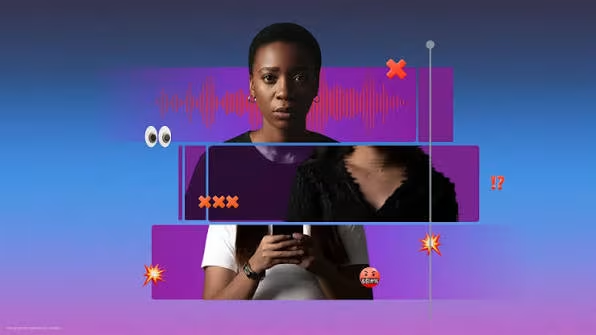
Hundreds of everyday AI apps are reportedly concealing sexually abusive deepfake features. That puts users at serious privacy risk through tools they might otherwise trust.
What Is The Pro Global Launch Timeline For These Vulnerabilities?
Reports say the first wave of compromised apps surfaced in late October 2026, after a coordinated disclosure across multiple tech forums.
Attackers reportedly exploited weak input validation to inject malicious image-processing code into standard editing suites.
Several cybersecurity firms reportedly released emergency patches within seventy-two hours of the public warning. Organizations with corporate networks quickly disabled third-party plugin installations to prevent threats from spreading across internal systems. This rapid exploitation cycle shows how quickly niche security flaws can become widespread privacy breaches when vendors leave them unaddressed. Stricter sandbox environments remain the only reliable way to stop these evasion tactics permanently.

developers-bypass-safety-filters”>How Do Developers Bypass Safety Filters?
Malicious actors mainly manipulate metadata fields, slipping prohibited visual content past automated scanning algorithms. They hide harmful payloads in seemingly harmless document conversion modules and calendar syncing utilities. Standard verification protocols often miss these embedded scripts because they sit outside traditional media file formats.
Reports say the worst offenders used obfuscated JavaScript wrappers to delay detection until after installation. Platform moderators give priority to manual reviews of apps seeking unusual permissions for camera access or gallery storage, much like the iPhone Pro Max handles secure photo backups. Stricter sandbox environments remain the only reliable way to stop these evasion tactics permanently.
Why Should Users Worry About Data Privacy?
Every app a person downloads creates a lasting record of their behavior and device specifications. Hackers use this collected intelligence to train highly targeted generative models without users’ explicit consent. Many consumers don’t realize their personal photographs go straight into massive black-market training datasets.
Reports say three major developers were fined in Europe for failing to properly encrypt sensitive biometric uploads. Indian authorities launched a dedicated task force last week to track cross-border data trafficking, echoing concerns from the Instagram Rings Global privacy audit. Protecting your digital footprint means regularly checking permission settings and rejecting unnecessary hardware access requests from unknown publishers.
What Steps Can Gamers Take To Stay Secure?
Gamers often download custom mods and texture packs from risky, unverified community hubs, making them prime targets for these hidden threats. Avoid modified binaries that promise better graphics or exclusive cosmetic items. Instead, players should stick to official storefronts that check every uploaded package against known malware signatures, much like the security measures around the recent NOW Launch event.
Regular integrity scans with open-source security suites can catch threats before you launch third-party extensions. Keep antivirus definitions updated to spot suspicious network connections from compromised plugins early. Staying alert helps prevent accidental exposure to malicious code disguised as entertainment software.
What Happens Next In App Security?
Regulators worldwide are drafting tougher compliance frameworks that will require transparent data usage policies across utility applications. Vendors must adopt zero-trust architecture principles to isolate sensitive user inputs from general processing cores.
App stores are expected to introduce mandatory transparency labels by early next year. Consumers will soon be able to use centralized dashboards to track how their files interact with external servers. Getting ready means engaging with emerging digital rights legislation. Looking ahead, the pro global launch timeline for new regulatory standards points to tighter controls on AI-driven utilities. Developers must put ethical design first to rebuild user trust after this widespread breach.. For more details, see Gizmodo.
Check permission settings daily to protect your digital footprint from unauthorized data harvesting.
FAQs
How do hundreds of mundane AI apps hide these features?
They hide malicious code in standard metadata fields to get past automated scanning algorithms.
What steps should users take to stay secure?
Avoid modified binaries that promise better graphics or exclusive cosmetic items.
Why is data privacy important here?
Hackers use collected intelligence to train highly targeted generative models without explicit consent.
Source: WIRED
Read Next
- Diwali 2026 Tech Gift Guide: 5 Gadgets People Will Use Long After the Festival
- Ewals Cargo Care Boosts Logistics Efficiency with WSO2 Integration
- AAGO Introduces 15W Dual USB DC Charger for Device Power
Was this article helpful?
Your feedback directly improves future articles on this site.