SA329 (82.3 ov)
 AUS
 AFG177
 ZIM12/1 (2.2/20 ov, target 178)
 SAA0
 EST0
 SAS
 LAZ
 ROMA
 CAG
 TOR
 COMO
 BAN
 WI
 IND-W
 ZIM-W
 GOA
 SC Delhi
 Milan
 Bologna
 Parma
 Udinese
 ABH0
 ALF1
 PAK110
 SL114/2 (18.1/50 ov, target 111)
 NAM316/7
 IRE253 (44.5/50 ov, target 317)
 NZ198/3
 IND199/4 (13.2 ov)
 SIKM184
 NAGA187 & 46/4 (34 ov)
 JHK131/4 (47 ov)
 DELHI515/5d
 ODSA194
 SVCS13/0 (5 ov)
 BRODA616
 J & K6/0 (4 ov)
 CHD685/5d
 HP49/0 (14 ov)
 CGR216/8 (95 ov)
 AP231
 HYD193/2 (54 ov)
 PNJB431
 KNTKA297/7 (95 ov)
 TPURA194
 KER101/6 (35 ov)
 BENG350
 MAHA278/9 (100 ov)
 GUJ223
 AUCK
 CANT
 CD
 ND
 DEN
 QAT
 KENYA
 KUW
 POA
 SPR
 BRB
 VAG
 NED371/5
 OMA265 (49.3/50 ov, target 372)
 JAB113 (19.3/20 ov, target 133)
 KAY132/9
 BIK149 (19.3/20 ov, target 158)
 CHR157/3
 SEEB0
 EBFC0
 Venezia
 Inter Milan
 Genoa
 Juventus
 Sevilla2
 Osasuna0
 PSG2
 Lyon0
 Mohun Bagan1
 Chennaiyin0
 BEI2
 JHM2
 RCH0
 KRE0
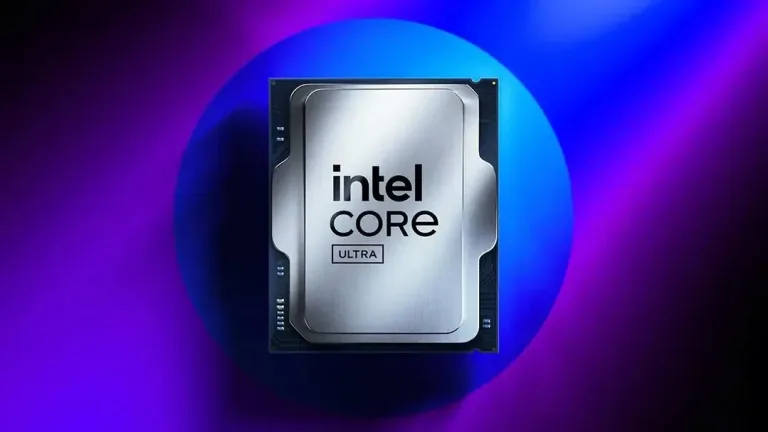
This naming saga kicked off back in August when the Core Ultra 9 4950K popped up in a CPU-Z database leak. That first sighting planted the seed for a four-digit numbering system on Intel’s upcoming chips.
Now, prominent leaker Jaykihn has clarified that the Core Ultra 4000 series will extend to high-performance Nova Lake-HX laptop processors. As first reported by Techpowerup, this expansion has changed how we identify next-gen mobile platforms. Keep in mind, these identifiers come from supply-chain reports, not official confirmation.
The Timeline Of Naming Shifts
Going from three-digit to four-digit model numbers is a big departure from traditional branding. Historically, mobile processors used suffix-less designations alongside their H-series counterparts, keeping a clear hierarchy. Recent database appearances suggest a unified approach where flagship mobile chips match their desktop equivalents numerically.
When the 4950K appeared earlier this year, leaker Golden Pig Upgrade had already flagged potential Core Ultra 4000HX naming for mobile. The latest updates lock in that trajectory, showing that top-tier laptop silicon will finally share its identity with the desktop architecture it physically mirrors. That said, this uniformity doesn’t apply across the whole lineup. Standard H-series and non-suffixed mobile chips should keep the familiar three-digit naming from previous generations. This split creates a clear divide between mainstream portables and enthusiast-grade workstations built for heavy computing. The decision likely comes from architectural similarities, since HX chips have traditionally been ball-grid array versions of desktop silicon optimized for thermally constrained chassis.
Mobile Versus Desktop Architecture
The underlying hardware justification for this dual-track naming scheme becomes clear when you look at the leaked specs for Nova Lake-S desktop processors. A recently circulated list revealed seven distinct models, including identifiers like the Core Ultra 9 4970K BFC and the Core Ultra 7 4870K BFC. That cryptic BFC suffix appears specifically on SKUs with bLLC, or big last-level cache configurations, setting them apart from base variants.
Since mobile HX processors run off the same silicon die as these desktop units, grouping them under the same four-digit umbrella makes logical engineering sense. Here’s something worth noting: this architectural alignment affects other parts of the chip designation too. Jaykihn also cleared up a confusing detail from those early desktop listings, confirming that non-BFC models keep their four LPE cores even though they were omitted from certain leaked spreadsheets. This clarification highlights the intricate relationship between desktop and mobile variants, proving they’re really different packaging solutions for closely related core complexes.
What This Means For gamers
For the enthusiast crowd, this naming evolution signals a clearer path through Intel’s increasingly complex processor matrix. gamers chasing maximum frame rates and fast rendering can now look for the distinctive four-digit model numbers paired with the HX suffix as a sure sign of top-tier performance. The consolidation cuts out much of the confusion that used to surround identifying flagship mobile silicon versus desktop alternatives.
It gives you a straightforward visual cue that bridges the gap between stationary rigs and portable workstations. The broader implications go beyond simple model identification. By aligning the high-performance mobile tier with the desktop ecosystem, Intel reinforces its commitment to delivering uncompromised processing power inside modern chassis designs. This strategic move ensures that users upgrading their hardware can easily tell the difference between standard mobile upgrades and true desktop-replacement machines. The clarity from these numerical designations will undoubtedly simplify purchasing decisions for professionals and hobbyists alike. Intel’s branding adjustments reflect a calculated effort to simplify consumer navigation while highlighting architectural parity between form factors. Expect future marketing materials to lean heavily into this unified numerical identity to showcase raw computational capability. Core Ultra 4000 naming patterns point toward a unified architecture bridging desktop and mobile workstation tiers.
Was this article helpful?
Your feedback directly improves future articles on this site.