
 SA329 (82.3 ov)
 AUS
AUS BAN
BAN WI
WI IND-W
IND-W ZIM-W
ZIM-W GOA
GOA SC Delhi
 Milan
Milan Bologna
 Parma
Parma Udinese
 Venezia
 Inter Milan
 Genoa
Genoa Juventus
 Monza
Monza Napoli
 ROMA4
ROMA4 CAG2
CAG2 TOR1
TOR1 COMO3
COMO3 SAS2
SAS2 LAZ6
LAZ6 AFG177
 ZIM140 (19.1/20 ov, target 178)
 AUCK
AUCK CANT
CANT CD
CD ND
ND SIKM184
 NAGA187 & 58/4 (42.2 ov)
 JHK131/4 (47 ov)
 DELHI515/5d
 ODSA194
 SVCS13/0 (5 ov)
 BRODA616
 J & K6/0 (4 ov)
 CHD685/5d
 HP49/0 (14 ov)
 CGR216/8 (95 ov)
 AP231
AP231 HYD193/2 (54 ov)
 PNJB431
 KNTKA297/7 (95 ov)
 TPURA194
 KER101/6 (35 ov)
 BENG350
 UAE
UAE OMA
OMA ENG
ENG SL
SL DEN
DEN QAT
QAT KENYA
KENYA KUW
KUW POA
POA SPR
SPR PAK110
 NAM316/7
 IRE253 (44.5/50 ov, target 317)
 NZ198/3
 IND199/4 (13.2/20 ov, target 199)
 NED371/5
 JAB113 (19.3/20 ov, target 133)
 KAY132/9
 Al Khaleej
 Al Hazem
 Gamba Osaka
 Buriram
 ABH0
ABH0 ALF1
ALF1 Sevilla2
 Osasuna0
 PSG2
PSG2 Lyon0
Lyon0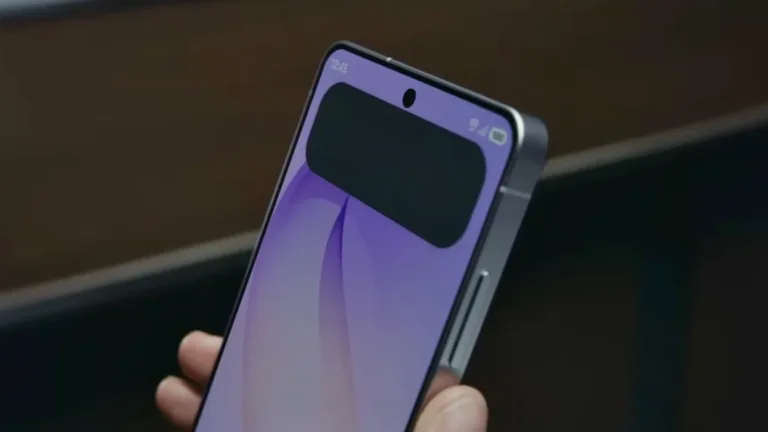
Samsung’s privacy screen on the Galaxy S26 Ultra represents a major shift in how phone makers handle mobile security. The new display tech stops shoulder-surfing and blocks unauthorized viewing angles — something business professionals who handle sensitive data need every single day.
What Samsung Built Into the S26 Ultra
Samsung built a privacy screen layer straight into the Galaxy S26 Ultra’s 6.9-inch display. It’s not some add-on you buy separately — it’s baked into the panel itself. The tech uses micro-louver technology to limit viewing angles to about 30 degrees from the center, so content disappears if you look from the side.
The Samsung Galaxy S26 keeps this protection working at any brightness level without hurting the 120Hz refresh rate or colors. Wired reports that Samsung had to completely redesign the display stack — that’s serious engineering work.
Why Privacy Screen Matters Now
Corporate espionage and data theft through visual hacking are real problems now. A privacy screen built into the hardware stops this threat at the source. Finance, healthcare, and government workers constantly worry about preventing unauthorized data exposure.
The Galaxy S26 Ultra’s approach ditches the need for separate screen protectors. You get enterprise-level protection without the performance hits that old privacy screens created. Here’s the thing: traditional privacy screens dimmed the display and messed with colors — a nightmare for designers and photographers.
Display Specs and Performance
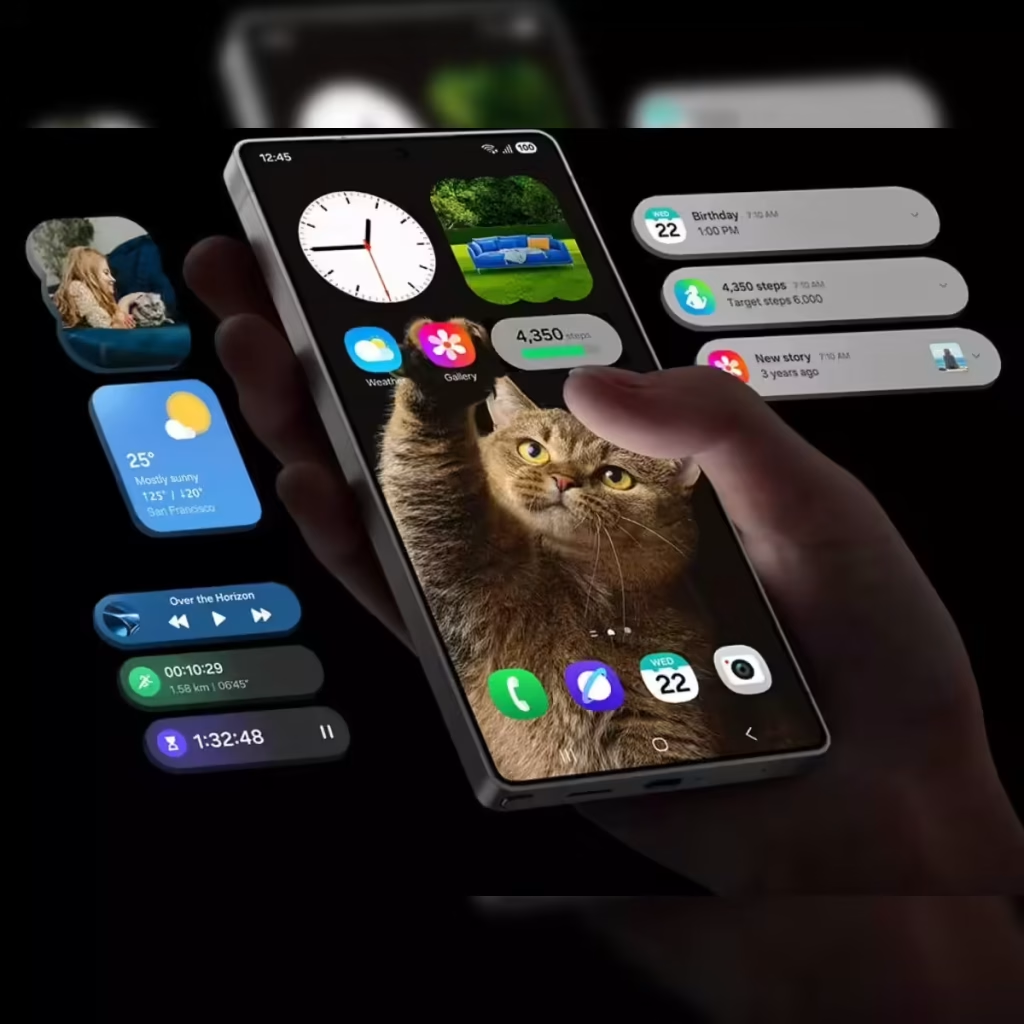
The S26 Ultra sports a 6.9-inch AMOLED display with 2K resolution (1440×3200) and that privacy screen layer keeping 120Hz adaptive refresh intact. Peak brightness hits 2,500 nits — the best you’ll find in privacy displays right now.
You’ll also get Gorilla Glass Armor for drop protection and an IP68 rating for dust and water resistance. The battery holds 5,000mAh with 65W fast charging. The India boosts iPhone market competition, but Samsung’s focus on enterprise users sets the S26 Ultra apart.
What Security Experts Say
Security analysts see the privacy screen integration as an overdue step forward. The Verge pointed out that hardware-level privacy protections are now expected on high-end phones aimed at business users. Security researchers liked Samsung’s openness — the company released detailed technical docs about the implementation.
One downside worth mentioning: the technology does reduce peak brightness at extreme angles, which might feel limiting in group settings.
What’s Next for Samsung
Samsung’s rolling out this privacy screen across the Galaxy S-series by Q3 2026. They’re also licensing it to enterprise partners for custom builds. You can expect other manufacturers to announce their own versions within six months.
This move shows a bigger trend: privacy’s now a hardware feature, not just something software promises to do.
People Also Ask
Q: Does the privacy screen hurt display quality?
No. Samsung kept full brightness and color accuracy intact. The feature only blocks viewing angles — the display itself works exactly like the non-privacy version.
Q: Can I turn it off?
It’s always on. Samsung didn’t add a toggle because turning it off would defeat the whole security purpose.
Q: How much extra does the S26 Ultra cost?
Samsung hasn’t announced separate pricing. The privacy screen comes standard on all S26 Ultra models worldwide.
Q: Does this work with screen protectors?
Yes, but Samsung recommends sticking with certified accessories so you don’t weaken the privacy technology’s effectiveness.


