NZ
 IND
 NAM
 IRE
 Como
 Venezia
 Mumbai City
 SC Delhi
 Getafe
 Sevilla
 Frosinone
 Torino
 Lazio
 Cagliari
 Strasbourg
 Auxerre
 AVL1
 FUL1
 BAR6
 ALA1
 MIL3
 INT1
 TRY2
 MNS0
 OTAGO
 CD
 BRB
 MIS142/6 (19 ov)
 TAS427
 NSW202 & 30/4 (12 ov) (f/o)
 NZ-A50/3 (15 ov)
 IND-A346
 QLD13/0 (6.2 ov)
 VIC307
 DHA
 BAR
 SYL218
 CHATT64/1 (15 ov)
 MYMS
 KHU280/8 (82 ov)
 RAN
 RAJ155/6 (59 ov)
 AFG
 ZIM
 NED
 OMA
 ST-W
 BH-W
 SS-W
 HH-W
 MS-W
 PS-W
 BAN
 PAK331/7 (48.3/50 ov, target 326)
 SL325/8
 UAE266/5 (49/50 ov, target 264)
 MR-W136/6
 AS-W185/2
 WAR133/6 (16.3/20 ov, target 131)
 WPR130/8
 MOW171/8
 VAG101 (18.4/20 ov, target 172)
 Inter Kashi
 GOA
 Union Berlin
 Cologne
 HIL2
 FAT0
 TOT2
 CRY0
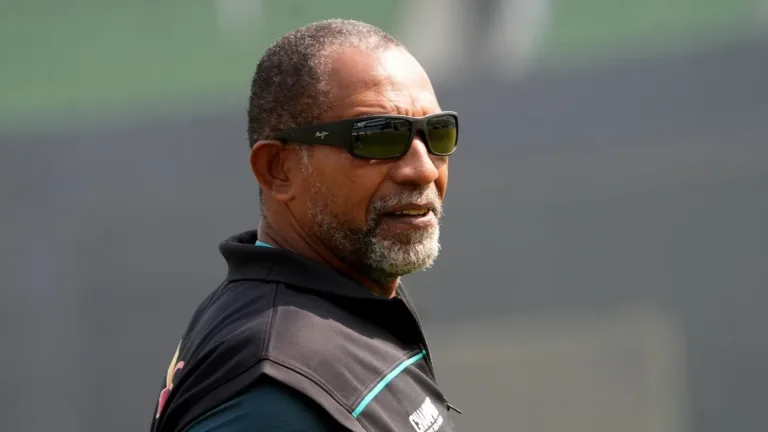
Phil Simmons has become a key voice in Bangladesh’s esports conversation, arguing that the country’s ready for a major digital transformation. Hard numbers are tough to come by—no official player counts or revenue figures exist yet—but the grassroots energy driving local tournaments shows a market that’s rapidly maturing.
Strategic Infrastructure and Regional Growth for Phil Simmons
The real story isn’t just about playing games. It’s about building the entire ecosystem. According to IGN, the main challenge is connecting raw talent with professional structure. Phil Simmons keeps coming back to one point: without proper training facilities and coaching, Bangladesh won’t reach its ceiling.
He believes the country’s positioned to become a regional powerhouse—but only if stakeholders think long-term. This mirrors what we’re seeing with Steam Deck esports, where hardware access directly shapes competitive potential. The goal isn’t casual gaming anymore. It’s building a real industry where people can make careers.
Cultural Shifts and Societal Impact Beyond Economic Metrics
Here’s what Simmons finds most compelling: Bangladesh is experiencing a genuine cultural shift around esports. For young people, competitive gaming is becoming a primary way to connect and build community. That’s bigger than any funding announcement.
This cultural change matters because it creates the human foundation a sustainable industry needs. Think about it—when Nvidia’s performance in esports raised technical standards globally, it worked because there was already cultural buy-in. If Bangladesh keeps this trajectory, competitive gaming could become part of the national identity. That’d generate far more value than simple economic output, creating a unique talent pool that earns international recognition.
The real question: can the momentum last? Simmons is optimistic. Growing investment interest signals real market confidence. Specific timelines for these initiatives haven’t been announced yet, but there’s agreement that the groundwork is being laid.
FAQs
What does Phil Simmons say about Bangladesh’s esports growth?
He points to the country’s potential to lead the region, but only with serious investment in professional infrastructure and coaching.
Are there confirmed timelines for these initiatives?
Not yet. As of May 2026, industry bodies and government reps haven’t released specific timelines or official plans for these efforts.
Why is cultural integration important for esports?
It builds a sustainable community that keeps people engaged long-term, which is essential for developing professional talent.
What are the main challenges facing esports development in Bangladesh?
The biggest issues are inadequate infrastructure, limited funding, and low awareness about esports among the general public.
How can Bangladesh become a regional gaming hub?
By investing in infrastructure, nurturing local talent, and hosting esports events, the country can grab international attention and compete regionally.
What role does cultural perception play in the growth of esports in Bangladesh?
It’s crucial. Shifting how people view gaming—as a legitimate career and hobby rather than a distraction—creates the environment esports needs to thrive.
Who are the key stakeholders in Bangladesh’s esports ecosystem?
Government agencies, private investors, gaming organizations, and educational institutions all need to work together to build and promote the industry.
What steps are being taken to improve esports infrastructure in Bangladesh?
The focus includes opening dedicated gaming venues, improving internet connectivity, and launching training programs to develop local skills. Staying current with Phil Simmons’ insights keeps you ahead of these shifts.