Mohun Bagan
 Chennaiyin
 PSG
 Lyon
 Sevilla
 Osasuna
 NED
 OMA
 NZ
 IND
 NAM
 IRE
 PAK
 SL
 SA
 AUS
 BAR1
 RMA2
 UDI0
 MIL2
 RSO2
 LEV1
 LEC0
 JUV2
 NZ-A317
 IND-A113 & 488/8 (119 ov)
 SYL280/2 (84 ov)
 KHU
 MYMS465/7d
 CHATT134/2 (40 ov)
 DHA521
 RAJ103/6 (26 ov)
 RAN402
 BAR179/3 (56.1 ov)
 SIKM
 NAGA112/7 (50 ov)
 JHK
 DELHI102/2 (37 ov)
 ODSA100/2 (37 ov)
 SVCS
 BRODA80/3 (32 ov)
 J & K
 CHD130/0 (31 ov)
 HP
 CGR
 AP119/6 (36 ov)
 HYD
 PNJB124/3 (39 ov)
 LUL
 SPR
 MOW
 TOK
 BRB
 MIS
 MEX-W51 (12.5/20 ov, target 187)
 ARG-W186/7
 NGA148
 UGA147/9 (20 ov, target 149)
 GMB112/9
 LES109 (19.5/20 ov, target 113)
 MOZ110/7 (19/20 ov, target 110)
 ZMB109/9
 IND-W328/6
 ZIM-W207 (48.5/50 ov, target 329)
 ENG241
 Abha
 Al Faisaly
 Sassuolo
 Lazio
 Neftchi Fergana
 Al Ittihad
 Besiktas
 Istanbul BB
 Caykur Rizespor
 Trabzonspor
 SUN0
 LEE0
 SCF1
 MUN3

Food travel content just got a major streaming shake-up. Phil Rosenthal’s beloved series “Somebody Feed Phil” is moving to YouTube, marking a significant shift for the Emmy-winning food travel personality. The move shows how traditional media stars are increasingly embracing digital platforms to reach global audiences directly.
Why Food Travel Content Dominates Streaming
Food travel shows have become streaming gold. Netflix, Disney+, and now YouTube are all fighting for premium culinary content. Rosenthal’s departure from Netflix shows that even established platforms struggle to keep A-list talent when creators want more creative freedom.
His show premiered in 2018 and became a cultural phenomenon. It blended humor, genuine human connection, and authentic cuisine across international destinations. The shift reflects a bigger industry truth: food travel entertainment consistently outperforms traditional genres in audience engagement metrics.
YouTube’s decision to invest in Rosenthal’s content proves the platform’s serious about competing with legacy streamers for prestige programming.
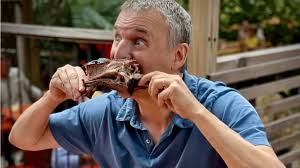
Rosenthal’s YouTube Platform Strategy
Phil Rosenthal’s move to YouTube isn’t just about switching platforms—it’s about controlling his audience. YouTube offers creators direct monetization through ads, sponsorships, and memberships. Unlike Netflix’s closed ecosystem, YouTube’s algorithm-driven discovery could actually expand Rosenthal’s reach to viewers who’ve never seen his work before.
He brings serious credentials to the table: five Emmy nominations, a loyal fanbase spanning 190+ countries, and a format that works perfectly for YouTube’s episodic structure. Today’s hottest YouTube content increasingly favors authentic personalities over polished studio productions—exactly what Rosenthal delivers (according to VentureBeat AI).
YouTube’s investment here shows confidence that this content can drive sustained subscriber growth and engagement for the platform’s growing premium offerings (as reported by OpenAI Blog).
What This Shift Means for Creators
This move reshapes what we expect from premium creators. When established talent leaves traditional streaming giants for YouTube, it sends a clear message: platform independence matters. Rosenthal’s decision could inspire other personalities and documentary creators to renegotiate terms or explore YouTube’s creator ecosystem more seriously.
Here’s the real question: can YouTube sustain long-form, high-production series profitably? Netflix invested heavily in Rosenthal’s production quality. YouTube’s model relies more on algorithmic promotion than Netflix’s curated marketing—it’s a gamble, but one that could pay off if audiences show up consistently.
FAQ: Your Burning Questions
Q: Will Rosenthal’s existing Netflix episodes disappear?
Netflix will keep his past seasons on their platform. This move applies to new content only.
Q: When does the first YouTube episode premiere?
Exact launch dates haven’t been announced yet, but expect announcements in the coming weeks.