NZ113/3 (14.4 ov)
 IND
 NAM321/6
 IRE208/5 (37.3/50 ov, target 322)
 MEX-W
 ARG-W
 ARS
 EVE
 COV
 FUL
 OFC
 NEU
 NEOM
 ABH
 RAC
 ESP
 KHO
 ETT
 NAP
 ROMA
 MOZ19
 UGA23/0 (0.5/20 ov, target 20)
 Ipswich1
 Nottm Forest1
 Alavés1
 Málaga1
 Torino3
 Monza2
 KENYA
 QAT
 SWD-W
 EPR-W
 TTN-W
 WPR-W
 BOR135/3 (18/20 ov, target 137)
 WAR136/8
 NZ-A135/3 (41 ov)
 IND-A113
 DHA293/3 (84.1 ov)
 RAJ
 MYMS299/4 (87 ov)
 CHATT
 RAN320/5 (80 ov)
 BAR
 SYL
 KHU
 UAE
 NED
 PAK
 ENG
 IND-W
 ZIM-W
 GMB
 LES
 ZMB
 NGA
 AFG170/3 (34.3/50 ov, target 170)
 ZIM169
 CHE
 TOT
 Brest1
 Nice2
 Stuttgart2
 Gladbach3
 Al Ahli4
 Al Khaleej1
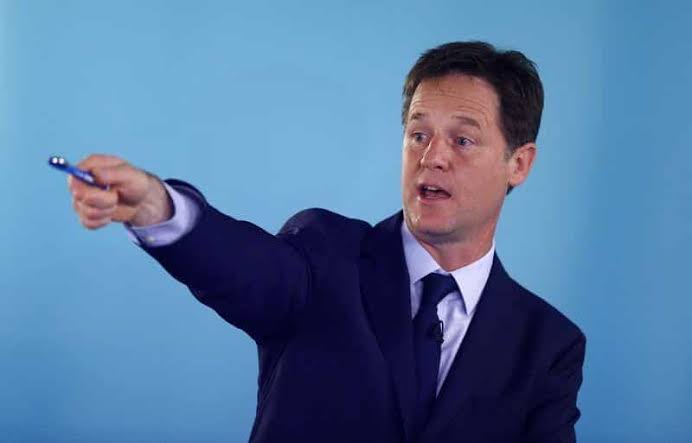
On May 19, 2023, Meta executive Nick Clegg published an essay dismissing doomsday scenarios about artificial Intelligence. The timing coincided with Meta’s rapid expansion of its open-source AI strategy: the company released LLaMA on February 24, 2023, announced the commercial release of Llama 2 with Microsoft on July 18, 2023, and introduced the Llama 3 family on April 18, 2024. Rather than focusing on speculative extinction threats, Clegg urged policymakers to target immediate, measurable harms.
Why Did Nick Clegg Dismiss Fears About AI Extinction?
The essay challenged the idea that humanity should treat the most extreme AI scenarios as the only urgent safety question. Clegg’s position was that public policy should focus on identifiable risks, including misuse, misinformation, privacy violations, discrimination, and failures in systems used by businesses or governments.
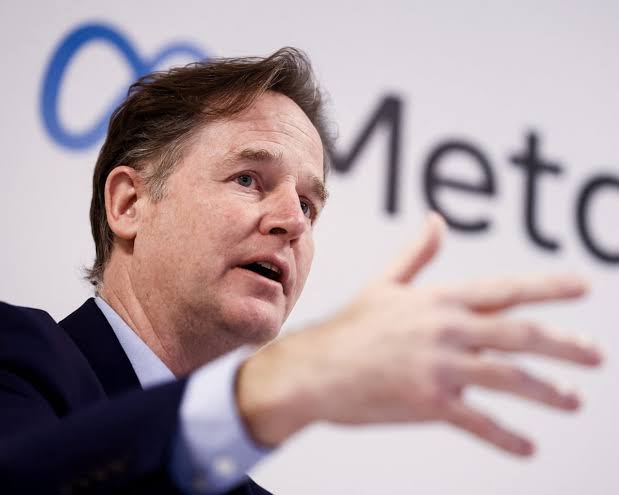
His argument was not that AI carries no danger, but that extinction claims should not replace practical safety and regulatory work. The distinction matters because the technology was already moving from research labs into consumer services, workplaces, and public communication platforms. The account of the essay and its argument was first reported by Thenextweb. The timing also placed Meta inside a wider debate over whether companies should slow AI development or publish models openly so that researchers could examine them.
What Was Meta’s AI Strategy at the Time?
Meta’s approach combined public model releases with partnerships and a large developer ecosystem. Llama 2’s commercial release with Microsoft created a route for companies to use the model through cloud services, while the open model strategy allowed researchers and developers to adapt the technology.
Clegg was serving as Meta’s President of Global Affairs, according to company leadership data released in 2022. That role placed him at the centre of discussions involving regulation, international policy, platform governance, and the social effects of AI. Meta’s model releases gave the debate a practical setting rather than leaving it at the level of hypothetical future systems. Llama 3.1 arrived with a 405 billion parameter version on July 23, 2024, showing how quickly the company’s open model programme expanded after the original debate.
How Did Open-Source AI Change the Safety Debate?
Open-source or openly available models create a tension between access and control. Researchers can inspect, modify, and evaluate models more freely, but the same availability can make it easier for bad actors to adapt systems for harmful purposes. That tension shaped the response to Meta’s LLaMA and Llama 2 releases.
Supporters argued that wider access could reduce the influence of a small group of technology companies and improve independent safety research. Critics warned that safeguards could be removed when models were distributed beyond a company’s direct control. The central policy question became how to increase accountability without blocking legitimate research and competition. Clegg’s position favoured regulation that addressed measurable harms while allowing development to continue under clearer rules.
What Does This Mean for AI Regulation Now?
The argument remains relevant because AI regulation must address both immediate risks and longer-term possibilities. Rules covering data protection, election misinformation, copyright, model transparency, and liability can be written around specific uses, while more advanced systems may require separate oversight.
The Llama timeline also shows why regulation faces pressure from product cycles. Meta moved from LLaMA to Llama 2, Llama 3, and the 405 billion parameter Llama 3.1 within a relatively short period, giving lawmakers little time to assess each generation before the next appeared. The next stage will require regulators to judge AI systems by their capabilities, deployment context, and measurable effects rather than by dramatic predictions alone. That approach does not dismiss severe risks; it creates a framework for testing whether those risks are emerging and deciding who should be responsible. It is worth watching how Nick Clegg develops from here. For more detail, see VentureBeat AI.
FAQs
Did Nick Clegg say AI is completely safe?
No. The essay rejected the idea that extreme extinction fears should dominate the entire AI policy debate, while recognising that artificial Intelligence can create serious social and security risks.
When did Meta release Llama 2?
Meta announced the commercial release of Llama 2 on July 18, 2023, in partnership with Microsoft.
What were the first Llama 3 models?
Meta launched the Llama 3 model family on April 18, 2024, starting with 8B and 70B parameter versions.
What was the largest Llama 3.1 model?
Meta released a 405 billion parameter version as part of the Llama 3.1 suite on July 23, 2024.
Why does the debate still matter?
The debate matters because policymakers must address immediate harms from deployed AI while also monitoring more advanced capabilities that could create new safety challenges. For Nick Clegg, the lasting question was never whether to fear AI, but whether governments could regulate real harms quickly enough while the technology kept advancing.
Was this article helpful?
Your feedback directly improves future articles on this site.