MBSG
 CFC
 PSG
 LYON
 SEV
 OSA
 NED
 OMA
 NZ
 IND
 NAM
 IRE
 PAK
 SL
 SA
 AUS
 Barcelona1
 Real Madrid2
 Udinese0
 Milan2
 Real Sociedad2
 Levante1
 Lecce0
 Juventus2
 LUL
 SPR56/6 (9.2/20 ov)
 NZ-A317
 IND-A113 & 488/8 (119 ov)
 SYL575/4 (167.3 ov)
 KHU
 MYMS465/7d
 CHATT424/6 (121 ov)
 DHA521
 RAJ162 & 215/5 (59.1 ov) (f/o)
 RAN402 & 5/0 (2.3 ov)
 BAR443/9d
 SIKM30/1 (15 ov)
 NAGA187
 JHK
 DELHI309/5 (90 ov)
 ODSA194
 SVCS13/0 (5 ov)
 BRODA259/6 (86 ov)
 J & K
 CHD363/2 (87 ov)
 HP
 CGR35/1 (14 ov)
 AP231
 MOW
 TOK
 BRB
 MIS
 BIK
 CHR
 MEX-W51 (12.5/20 ov, target 187)
 ARG-W186/7
 NGA148
 UGA147/9 (20 ov, target 149)
 GMB112/9
 LES109 (19.5/20 ov, target 113)
 MOZ110/7 (19/20 ov, target 110)
 ZMB109/9
 IND-W328/6
 ZIM-W207 (48.5/50 ov, target 329)
 ENG241
 Abha
 Al Faisaly
 Sassuolo
 Lazio
 AS Roma
 Cagliari
 Torino
 Como
 NEF
 ITT
 Sunderland0
 Leeds0
 Freiburg1
 Bayern3

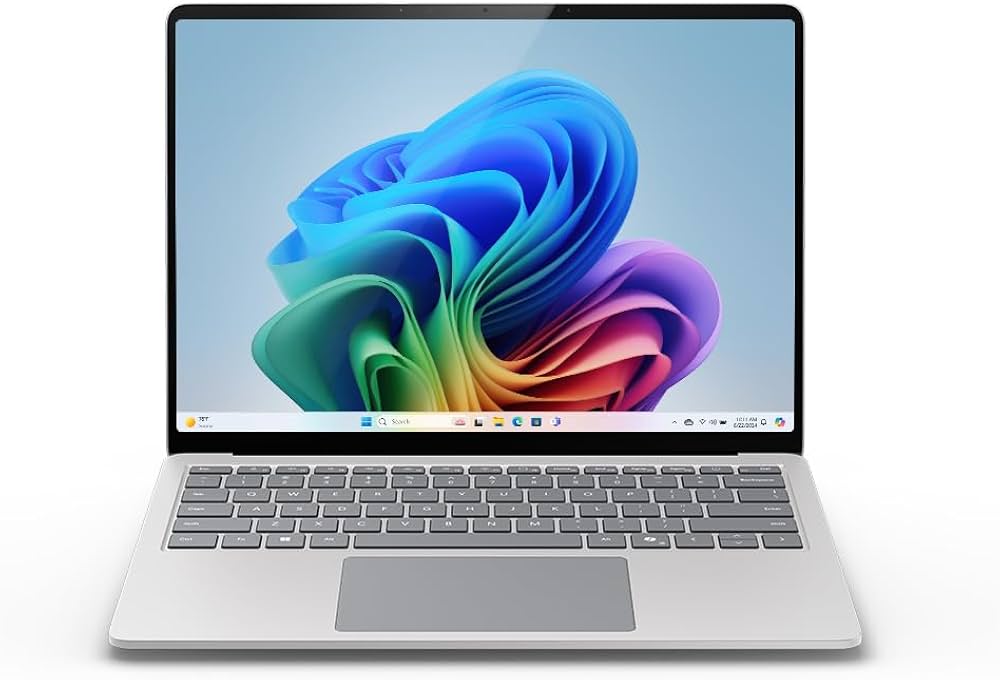
Microsoft Surface RAM just got pricier—and not by a trivial amount. On April 13, 2026, Microsoft confirmed it bumped up RAM module prices by around 15% for its flagship Surface Pro 9 and Surface Laptop 5. For shoppers and IT decision-makers, this isn’t just about specs. It signals rising costs, tighter supplies, and a tech market feeling the squeeze worldwide.
Now that Surface upgrades will sting a bit more, let’s break down exactly what’s changed, why it matters, and how you can still make smart choices in this shifting market.
What’s Changed: Microsoft Surface RAM Price Increases and Device Impact
Up until last week, adding 16GB RAM to a Surface Pro 9 meant paying $130. Today, it’s $150 for the same upgrade—a sudden 15% jump. Surface Laptop 5 buyers are in the same boat. Their 16GB RAM upgrade went from $120 to $140. Both base and custom Surface configurations now reflect these higher prices.
Microsoft hasn’t raised the overall price tags (at least not yet), but any Surface Pro 9 or Laptop 5 with extra RAM will cost you noticeably more at checkout. The increase applies whether you pick a standard model or build your own.
This is the first major RAM pricing shift since the Surface Pro 9 launched on October 5, 2023—when prices were quite a bit lower than they are now.
Here’s the thing: The Verge notes these updated prices kick in right away, both on Microsoft’s own store and through authorized resellers. No one’s getting a better deal—enterprise customers, schools, and everyday buyers all pay the new rate.
Remember those big Microsoft valuation debates? For anyone paying attention to tech industry trends, this situation echoes the Microsoft Net conversation: big numbers, even bigger ripples.
Why Microsoft Raised Surface RAM Prices: Supply Chain Pressures and Market Forces
Microsoft pointed to two main drivers behind this RAM price bump: higher supply chain costs and ongoing component shortages. Since 2022, the global memory chip market’s been rocky. Price swings keep hitting thanks to pandemic fallout and ongoing geopolitical headaches. Microsoft isn’t alone—other PC makers are also tweaking their numbers as DRAM and NAND prices creep upward.
So, what’s really going on? As suppliers in North America and Asia run into yield problems and rising shipping costs, manufacturers like Microsoft wind up passing those extra expenses down the line.
Still, not everyone buys that explanation. A few analysts have noticed that memory prices on the open market started to steady in early 2026, so they wonder if Microsoft’s move is about preempting trouble or just padding margins. But when you see the same hike hitting both consumers and businesses, it feels less random—Microsoft seems to be reacting to genuine procurement headaches across the Surface range.
This isn’t an isolated move, either. Just last month, smartphone giants like Samsung and OPPO announced similar adjustments due to supply headaches, as covered by Wired and Android Authority.
Bottom line: even tech heavyweights can’t dodge global market shocks—hardware prices will keep reflecting those realities.
Impact on Buyers: Microsoft Surface RAM vs. The Competition
Here’s what you probably want to know: how does Surface RAM pricing stack up now? With a Surface Pro 9 and 16GB RAM, you’re shelling out $150 just for that memory boost. Compare that to Dell’s XPS 13 or Apple’s MacBook Air—where RAM upgrades sometimes cost less, especially when you catch a promo bundle.
This increase might nudge some buyers to take a closer look at the competition. Sure, Apple still charges a premium for unified memory, but its base models sometimes slip in under Microsoft’s new upgrade prices.
Dell and Lenovo? They occasionally run promos cutting as much as 15% off RAM upgrades, though their entry-level machines might not match Surface for display or pen support.
For IT teams and big business deployments, pricier RAM could shift total cost of ownership math. As we covered in our Microsoft Launches Agent report, enterprise buyers now scrutinize every line item—so this change won’t go unnoticed.