NZ113/3 (14.4 ov)
 IND
 NAM321/6
 IRE208/5 (37.3/50 ov, target 322)
 RAC
 ESP
 KHO
 ETT
 NAP
 ROMA
 CHE
 TOT
 VAL
 VIL
 DOR
 SGE
 RIY
 TAA
 LAZ
 PAR
 MOZ19
 UGA23/0 (0.5/20 ov, target 20)
 Ipswich1
 Nottm Forest1
 Alavés1
 Málaga1
 Torino3
 Monza2
 KENYA
 QAT
 SWD-W
 EPR-W
 TTN-W
 WPR-W
 BOR135/3 (18/20 ov, target 137)
 WAR136/8
 NZ-A135/3 (41 ov)
 IND-A113
 DHA293/3 (84.1 ov)
 RAJ
 MYMS299/4 (87 ov)
 CHATT
 RAN320/5 (80 ov)
 BAR
 SYL
 KHU
 MEX-W
 ARG-W
 UAE
 NED
 PAK
 ENG
 IND-W
 ZIM-W
 GMB
 LES
 ZMB
 NGA
 AFG170/3 (34.3/50 ov, target 170)
 ZIM169
 Brest1
 Nice2
 Stuttgart2
 Gladbach3
 Al Ahli4
 Al Khaleej1

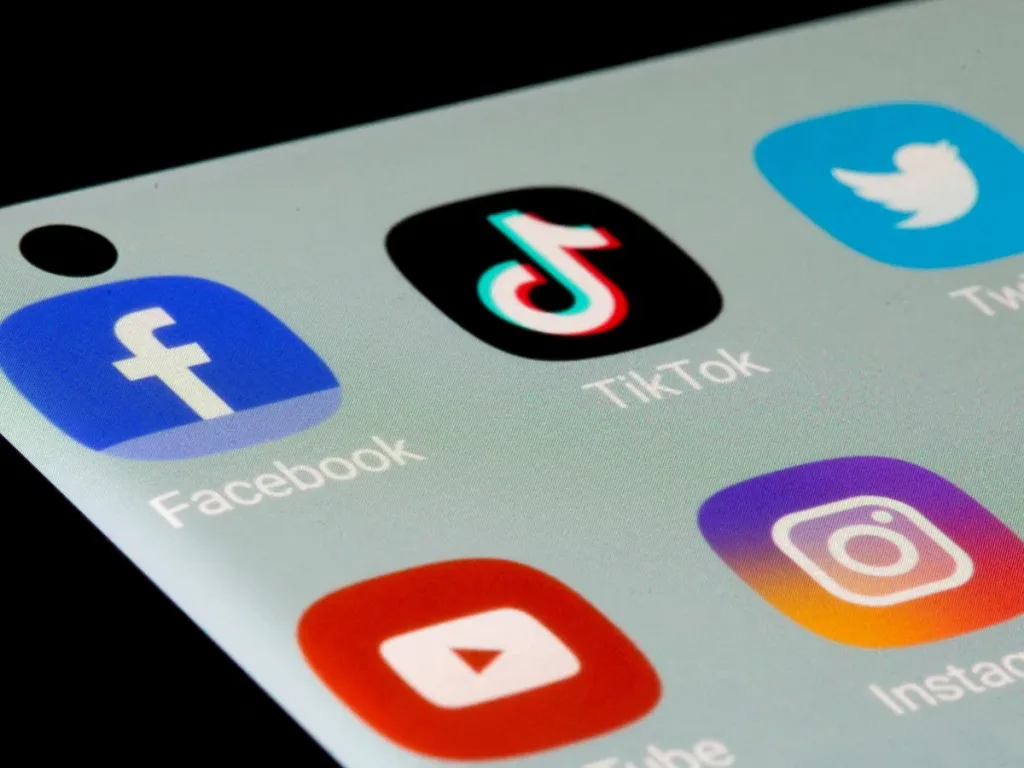
Meta, Google, TikTok, and LinkedIn face new Australian obligations under a news bargaining incentive law that was passed by Australia on Thursday, August 20, 2026, according to The Next Web. Here’s the thing: the law is designed to apply to major platforms even when they don’t actively carry news, which creates a compliance problem for social feeds and recommendation engines built around engagement, not journalism.
Worth noting: we’re treating the details as based on leaks and supply-chain style reporting—not yet officially confirmed by regulators. The policy direction, however, is clear—Australia is tightening the rules for platforms in the media value chain.
Who needs to comply, and why does it include platforms that may not “carry news”?
Australia’s updated media framework targets major tech companies, and The Next Web’s Thursday report names Meta, Google, TikTok, and LinkedIn as parties now facing regulatory obligations. The key tension is that the legislation focuses on whether the platforms participate in the news ecosystem, rather than whether they host “news” in a traditional publisher sense.
For example, a user watching a short video clip that contains a news reference can still be mediated by the platform’s ranking systems. That means platforms can end up negotiating or meeting requirements even when their business model is framed as “feeds” or “search,” not editorial distribution. Bridge: If it’s not about “news pages,” then what exactly are the compliance mechanics that platforms will have to follow next?
What does the law require in practice—how do bargaining incentives turn into obligations?
At the mechanism level, a news bargaining incentive law typically pushes platforms toward agreements with media organisations by creating regulatory pressure and leverage. Australia’s version, as described by The Next Web, “targets major tech companies” regardless of whether they actively carry news content.
In practical terms, that could mean platforms have to participate in negotiations and establish compliance workflows—legal, policy, and product—around how news is surfaced, monetised, or otherwise handled.
Here’s one concrete example: a platform that monetises via ads across discovery surfaces may need to track whether specific content categories fall into the “news” bucket defined by the new framework.
That said, platform operators will argue that their systems are generic—ranking across all content—not news-specific distribution. Our view is that regulators are deliberately broadening scope because enforcement based on intent (“we didn’t mean to carry news”) is hard to measure and easy to game.
Bridge: So how did Australia get here, and what does this mean for other countries watching the policy?
Why does Australia’s approach matter globally, and what pressure does it create for other markets?
Australia is sending a message to global platform governance: if you profit from attention that includes news discovery, you will face negotiation and compliance expectations.
This matters because Meta, Google, TikTok, and LinkedIn operate across borders and build product pipelines that scale—policy changes in one jurisdiction can influence default legal positions and negotiation templates elsewhere.
Worth noting: coverage and analysis from outlets like TechCrunch and The Verge often highlight how bargaining frameworks push platforms toward standardized response playbooks across regions, especially when obligations touch ads, ranking, and licensing decisions.
Platforms can’t treat media policy as “local content” anymore; it becomes part of global product risk management. Bridge: With this law now in focus, what happens next for each platform and for Australian publishers?
What’s next for Meta, Google, TikTok, and LinkedIn—outcomes Australia likely wants
The near-term outcome Australia likely wants is bargaining participation and faster negotiation pathways, so media organisations gain predictable compensation and platforms gain clearer rules for content treatment.
For platforms, the next steps are typically internal: mapping where news-adjacent content appears (feeds, search, suggestions, discovery), aligning moderation and metadata pipelines with the law’s categories, and preparing for regulator-facing reporting.
For publishers, the incentive is to reduce bargaining uncertainty and to secure stronger terms than “opt-in” deals offer. Here’s the crucial point: the compliance challenge won’t be only legal. It will also be technical—how ranking and recommendation systems classify and surface news-related material at scale.
That makes it likely that platform policy teams will coordinate closely with product and data teams, and that regulators may scrutinize outcomes rather than paperwork.
Related Articles
- Android Pixel Desktop Mode in Android 17: Googlebook Moment
- Consistent Infosystems Unveils KAVACH USB 3.0 External SSD
- boAt Is Reportedly Building A Real Conversational AI For Its Audio Devices
FAQs
Does the Australian law apply only when a platform hosts news content?
The law, as described by The Next Web, targets major tech companies even if they do not actively carry news, so the obligations are not limited to traditional “news hosting.”. For wider coverage, see The Verge.
How does this affect Google specifically?
Google may need to align how discovery surfaces and related ranking signals deal with news categories defined under Australia’s updated media framework, because compliance is driven by participation in the news ecosystem, not only by editorial intent.
Why are TikTok and Meta included?
TikTok and Meta run feeds where news-related clips can appear through recommendation systems, which regulators can treat as participation in news distribution even without a dedicated newsroom format.
What happens after platforms accept regulatory obligations?
The next phase is typically negotiation and operational compliance—platforms must be ready to demonstrate how they handle the relevant content categories under Australia’s updated media framework.
Will this push LinkedIn to change policies?
LinkedIn could face the same category-based requirements because it functions as a professional network where news references and news-adjacent content can be surfaced through ranking and recommendation.
Google, TikTok, and Meta’s global scale means Australia’s enforcement model will likely ripple outward—platform legal teams will treat this as a compliance template, not a one-off.
Was this article helpful?
Your feedback directly improves future articles on this site.