ATL1
ATL1 CHI0
CHI0 DC0
DC0 CIN0
CIN0 ORL0
ORL0 NYC0
NYC0 PHI0
PHI0 NE0
NE0 Santos0
 Bahia1
 UAE
UAE NED
NED PAK
PAK ENG
ENG IND-W
IND-W ZIM-W
ZIM-W GMB
GMB LES
LES MOZ
MOZ ZMB
ZMB Inter Milan
 Fiorentina
 Churchill
 Punjab FC
 NGA
NGA UGA
UGA MEX-W23 (9.3/20 ov, target 189)
 ARG-W188/5
 ATM1
ATM1 DEP0
DEP0 LAZ2
LAZ2 PAR1
PAR1 RCL2
RCL2 PAR1
PAR1 NZ-A285/8 (84 ov)
 IND-A113
 SYL
SYL KHU
KHU MYMS299/4 (87 ov)
 CHATT
CHATT DHA293/3 (84.1 ov)
 RAJ
RAJ RAN320/5 (80 ov)
 BAR
BAR DEN
DEN PNG
PNG NAM321/6
 IRE290 (47.3/50 ov, target 322)
 WEL0
WEL0 MBV1
MBV1 Athletic
 Getafe
 C Palace
 Newcastle
 Hull
Hull Brentford
 Liverpool
 Brighton
 Man United
 Bournemouth
 Atalanta
 Frosinone
 RIY2
RIY2 TAA1
TAA1 CHE0
CHE0 TOT2
TOT2 VAL1
VAL1 VIL2
VIL2
The Melbourne Cricket Ground has found itself under scrutiny after the International Cricket Council deemed the pitch for the fourth Ashes Test as ‘unsatisfactory’, marking a significant departure from the venue’s recent track record of excellence. The Boxing Day Test between Australia and England concluded in a mere two days, with the governing body handing the iconic venue one demerit point under its Pitch and Outfield Monitoring Process.
Historic Two-Day Finish Sparks Controversy
The MCG witnessed an extraordinary Test match that concluded after just five sessions of play, making it one of the shortest Ashes encounters in history. A total of 36 wickets tumbled across only 142 overs, with not a single batsman reaching the fifty-run milestone throughout the entire contest. Match referee Jeff Crowe, from the Emirates ICC Elite Panel of Match Referees, delivered the verdict with clear reasoning behind the assessment.
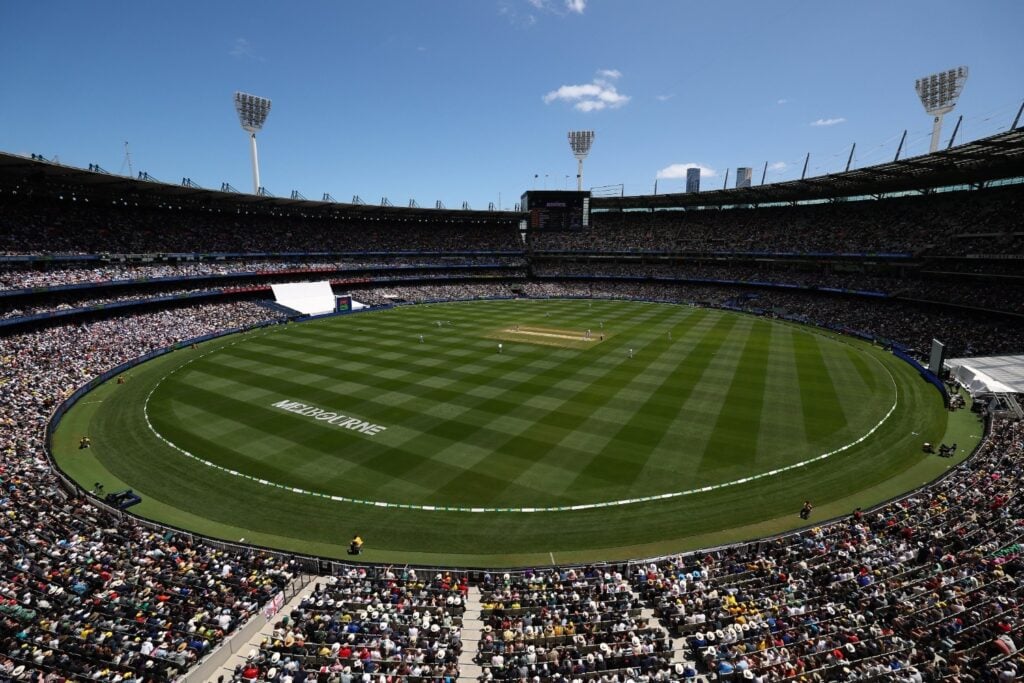
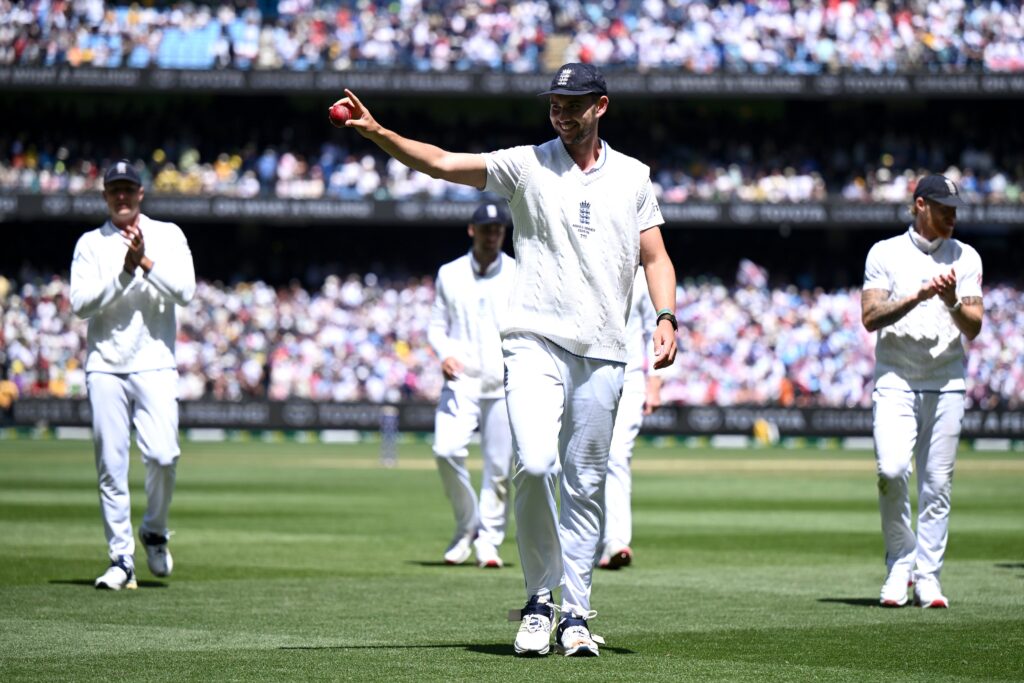
The pitch’s excessive assistance to seam bowlers dominated proceedings from the first ball. Australia were dismissed for 152 after England won the toss and elected to bowl first, with Josh Tongue spearheading the attack by claiming figures of 5/45. England struggled equally on the challenging surface, collapsing for just 110 runs inside 30 overs. The pattern continued into the second innings, with Australia managing 132 before England chased down the modest target despite losing six wickets.
ICC’s Assessment and Rating System
Under the ICC’s four-tier rating system implemented in November 2023, pitches are evaluated as ‘very good’, ‘satisfactory’, ‘unsatisfactory’, or ‘unfit’. An unsatisfactory rating characterizes a surface that fails to provide an even contest between bat and ball, typically by favoring bowlers excessively with too many wicket-taking opportunities.
Jeff Crowe explained his decision, stating that the MCG pitch was overwhelmingly tilted toward the bowlers. With 20 wickets falling on the opening day and 16 on the second day, combined with the absence of any half-century scores, the surface clearly met the criteria for an unsatisfactory rating according to established guidelines.
| Match Statistics | Day 1 | Day 2 |
|---|---|---|
| Wickets Fallen | 20 | 16 |
| Total Overs Bowled | Approx. 80 | Approx. 62 |
| Highest Individual Score | 41 (Harry Brook) | 46 (Ben Duckett) |
| Total Innings | 2 | 2 |
Demerit Points and Potential Consequences
The MCG has received one demerit point, which will remain active on the venue’s record for a rolling five-year period. While this represents a formal warning rather than an immediate crisis, the implications could become serious if standards do not improve. Venues accumulating six demerit points within five years face a 12-month suspension from hosting international cricket, while reaching 12 demerit points results in a two-year ban.
Prior to this incident, the MCG had maintained an excellent record, with the previous three Boxing Day Tests all receiving the highest possible rating of ‘very good’. This makes the current assessment particularly noteworthy as it represents a significant deviation from the venue’s recent performance standards.
Comparison with Perth Test
The controversy surrounding the MCG pitch intensified given that the first Ashes Test in Perth also concluded in two days, yet received a contrasting ‘very good’ rating from the ICC. This marked the first time in 129 years that a single series featured two Tests finishing within two days. The difference in ratings highlighted the specific concerns about the Melbourne surface, particularly regarding the excessive seam movement and unpredictable bounce that characterized play at the MCG.
Cricket observers and former players noted that while Perth’s pitch offered challenging conditions, it still provided a more balanced contest between bat and ball, whereas the MCG surface was deemed excessively bowler-friendly from the outset.
Curator’s Response and Cricket Australia’s Position
MCG head curator Matt Page admitted being in a “state of shock” at how the match unfolded. The groundstaff had left 10 millimeters of grass on the wicket, 3 millimeters more than the previous year’s Boxing Day Test, which had lasted until the final session of the fifth day. This decision, intended to provide some assistance to bowlers, ultimately produced lavish movement for seamers that proved excessive.
Australia coach Andrew McDonald offered support to Page, describing his work over the years as “outstanding” and expressing hope that cricket authorities would not adopt a more interventionist approach to pitch preparation. McDonald emphasized the importance of maintaining curator independence, noting that Page had successfully transformed the MCG pitches since arriving from the WACA after the venue received a poor rating following the 2017-18 Ashes Test.
Cricket Australia acknowledged their disappointment with the outcome while expressing confidence in the MCG’s ability to produce quality surfaces for future marquee events, including the Boxing Day Test against New Zealand and the 150th Anniversary Test against England in March 2027.
Financial and Fan Impact
The premature conclusion of the Test match had significant financial ramifications. Cricket Australia faces an estimated 10 million Australian dollars in lost revenue due to the need to refund tickets for the unplayed days three and four. Broadcasters and other stakeholders could lose approximately 25 million dollars combined as a result of the shortened contest.
Beyond the financial impact, thousands of fans who had purchased tickets for what is traditionally one of cricket’s premier occasions were left disappointed. The Boxing Day Test typically attracts capacity crowds throughout its duration, making the two-day finish particularly unsatisfying for spectators who had planned their holidays around attending the full five days of cricket.
Historical Context and Future Implications
This rating serves as a reminder of the delicate balance required in pitch preparation for Test cricket. The ICC’s monitoring process, launched in 2006 and updated in January 2018, aims to ensure that pitches provide fair contests while reflecting the variety of conditions found globally. The system holds member boards accountable for the surfaces they produce and introduces transparency in pitch ratings.
| ICC Pitch Rating Categories | Demerit Points | Characteristics |
|---|---|---|
| Very Good | 0 | Balanced surface with good carry, limited seam movement, consistent bounce |
| Satisfactory | 0 | Acceptable playing surface with reasonable balance |
| Unsatisfactory | 1 | Fails to provide fair contest, excessive assistance to one side |
| Unfit | 3 | Severe issues making pitch dangerous or unsuitable for play |
The incident has reignited discussions about drop-in pitch technology used at the MCG. While recent years had seen improvements in surface quality following the venue’s overhaul after 2017, this latest episode raises questions about the preparation methods for such high-stakes Test matches.
England captain Ben Stokes suggested there would be considerable criticism if similar pitch conditions were produced elsewhere in the world, highlighting the double standards that sometimes exist in international cricket. Despite the controversy, England’s four-wicket victory represented their first Test win on Australian soil since 2011, though Australia had already retained the Ashes by winning the opening three matches.
The series now moves to Sydney for the final Test, where groundstaff will face intense pressure to provide a more durable and balanced surface. Cricket Australia chief executive Todd Greenberg has suggested that a more interventionist approach might be necessary, noting that shorter Tests are “bad for business.” However, this proposal faces resistance from traditionalists who value curator independence as a fundamental aspect of Australian cricket culture.
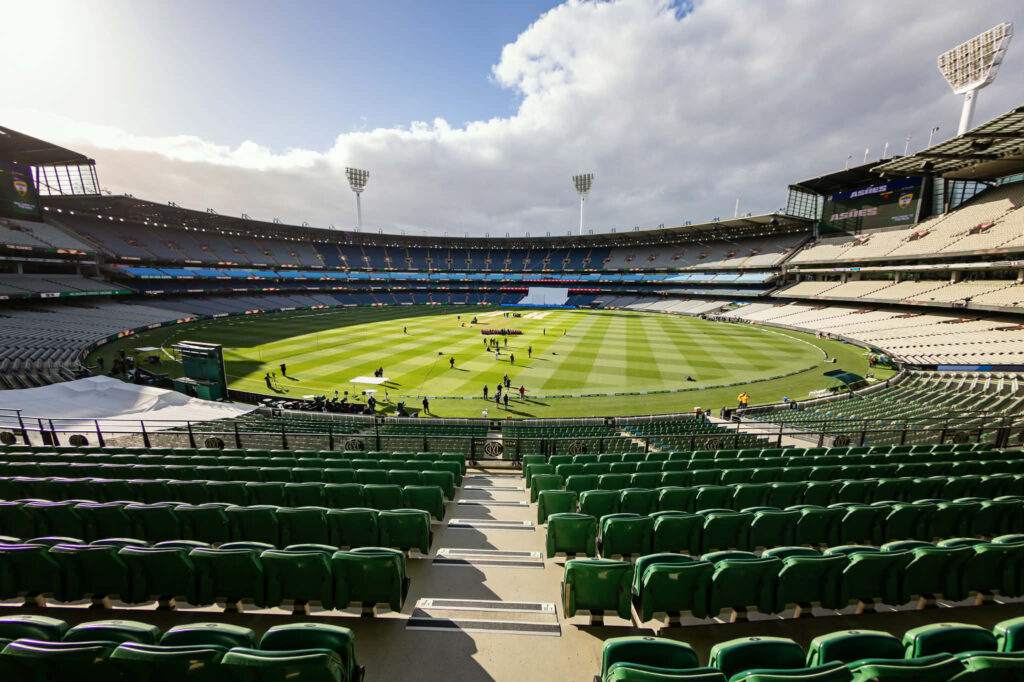
The MCG’s unsatisfactory rating serves as a cautionary tale about the fine margins involved in pitch preparation and the need to maintain standards that ensure Test cricket remains a compelling contest between bat and ball over its traditional five-day duration. As the venue looks toward future major fixtures, the focus will inevitably turn to restoring its reputation for producing surfaces that offer fair and entertaining cricket.
Read More: PSG Dominate Globe Soccer Awards 2025: Seven Trophies Crown Historic Season