NED
NED OMA
OMA NZ
NZ IND
IND NAM
NAM IRE
IRE PAK
PAK SL
SL SA
SA AUS
AUS Abha
Abha Al Faisaly
 AFG
AFG ZIM
ZIM Sassuolo
 Lazio
Lazio SEV2
SEV2 OSA0
OSA0 PSG2
PSG2 LYON0
LYON0 MBSG1
MBSG1 CFC0
CFC0 Barcelona1
 Real Madrid2
 NZ-A317 & 132/6 (38 ov, target 313)
 IND-A113 & 516
 SYL575/4 (167.3 ov)
 KHU
KHU MYMS465/7d
 CHATT424/6 (121 ov)
 DHA521
 RAJ162 & 215/5 (59.1 ov) (f/o)
 RAN402 & 5/0 (2.3 ov)
 BAR443/9d
 SIKM30/1 (15 ov)
 NAGA187
 JHK
JHK DELHI309/5 (90 ov)
 ODSA194
 SVCS13/0 (5 ov)
 BRODA259/6 (86 ov)
 J & K
J & K CHD363/2 (87 ov)
 HP
HP CGR35/1 (14 ov)
 AP231
AP231 HYD
HYD PNJB289/6 (90 ov)
 BAN
BAN WI
WI IND-W
IND-W ZIM-W
ZIM-W BRB149/5 (16.2/20 ov, target 148)
 MIS147
 MOW107/9
 TOK111/5 (18.4/20 ov, target 108)
 LUL88/3 (9.5/20 ov, target 88)
 SPR87
SPR87 BOL2
BOL2 UDV1
UDV1 IACC0
IACC0 RIE0
RIE0 SFE1
SFE1 BUC0
BUC0 AS Roma
 Cagliari
 Torino
 Como
Como GOA
GOA SC Delhi
 Daejeon
 Vissel Kobe
 Darul Ta'zim
 Port FC
 Kyoto Sanga
 Newcastle Jets
 Udinese0
 Milan2
 Real Sociedad2
 Levante1
Fauda Creator Hits Out At Mark Ruffalo; Until this week, the loudest voice attached to Fauda was always its star — Lior Raz, the Israeli actor who co-created the geopolitical thriller and plays operative Doron Kavillio.
That changed when Mark Ruffalo publicly criticised the political context surrounding the series on social media, prompting a sharp response from the show’s creator. The exchange, based on reports and social media posts rather than official statements, has reignited a debate about where political commentary ends and creative work begins.
Mark Ruffalo: The Before: A Series Built On Quiet Credibility
Fauda premiered on the Israeli network Yes before Netflix took over international distribution, turning a local production into a global streaming fixture. Faraway Road Productions, the company behind the series, built its reputation on gritty realism — undercover agents, moral ambiguity, and a refusal to hand viewers easy heroes.
For years, the show travelled on craft rather than controversy. Indian audiences know that formula well. Our coverage of Fauda S5: The Wait tracked how the franchise retained a devoted streaming base even between seasons, a loyalty built on the show’s credibility rather than star power.
The Catalyst: Mark Ruffalo Enters The Frame
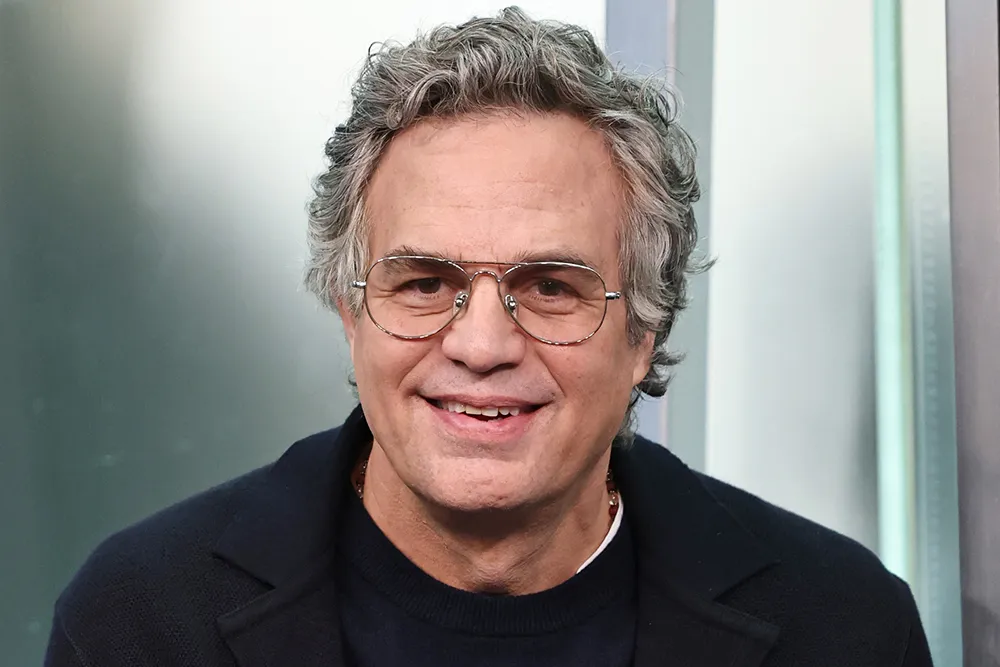
Here’s the thing: the Avengers star did not merely criticise a government policy — he went after the creative work itself, questioning the political framing of the series on his platform. Given Ruffalo’s reach, the post travelled fast.
Raz’s response was blunt, defending the show as a human story told from his lived experience rather than a political weapon. Worth noting: this is not a standard celebrity spat.
When an actor associated with one of the world’s biggest franchises weighs in on a conflict-driven drama, the fallout lands on the production, the platform, and the audience simultaneously. Netflix, which distributes the series internationally, now finds itself adjacent to a debate it did not start.
The After: A Creator Defending His Canvas
Raz’s rebuttal reframed the argument around authorship. His position, as reported: a creator who lived the reality the show depicts holds a different authority than an outside commentator reading it politically.
Supporters see the criticism as fair scrutiny of a politically charged drama; detractors argue an actor with no direct connection to the material is lecturing those who do.
Side By Side: Two Positions, Two Kinds Of Power
| Aspect | The Creator’s Stand | The Actor’s Critique |
|---|---|---|
| Basis | Lived experience, firsthand storytelling | Political reading of the series’ framing |
| Platform | Interviews and direct rebuttals | Social media reach to millions |
| Risk | Creative credibility on the line | Franchise goodwill under scrutiny |
| Stake | The show’s legacy and future seasons | Public perception of the conflict |
What’s Next: The Streaming Economics Of Controversy
Controversy rarely hurts a streaming title in the short term — curiosity searches spike, and back-catalogue viewing follows. The longer question is whether Netflix leans into the show’s next chapter or lets the noise settle. Hollywood is watching closely too; Ruffalo’s upcoming slate, including Spider-Man: Brand New Day, Crime 101 on OTT: chatter around awards-season titles, and projects like Two Oscar Winners, One crime drama, means his public profile stays hot regardless. If you want the drama judged on storytelling, pick the show and stream it with fresh eyes. If you want the debate, follow both accounts — because this argument is clearly not finished.
Related Articles
- Task Season 2 Greenlit: Mark Ruffalo’s FBI Thriller Returns to HBO After Explosive Debut
- Mark Ruffalo’s Bold Claim: Hulk Can Beat Superman – Here’s His Hot Take
- Mark Wahlberg’s Netflix Reunion: Everything We Know About the Deadly Cat-and-Mouse Thriller…
FAQs
What did Mark Ruffalo say about Fauda?
Who co-created the series Fauda?
Where can Indian viewers watch Fauda?
Was this article helpful?
Your feedback directly improves future articles on this site.