Roald Dahl’s stories have always lived in a world of their own—part fantasy, part satire, part childhood wonder, and part unsettling darkness. That unusual balance is exactly why his work still feels fresh on screen. Netflix, now one of the biggest homes for Dahl adaptations, has steadily built a fascinating lineup that captures both the warmth and weirdness of his writing. Some titles lean into musical magic, others into tension, absurdity, or psychological discomfort. Together, they show just how flexible Dahl’s storytelling really is.
Here’s a closer look at every major Roald Dahl adaptation on Netflix in 2026, with a short explanation of each show or film and what makes it worth watching.
Roald Dahl Adaptations on Netflix in 2026 at a Glance
| Title | Format | Tone | Why It Stands Out |
|---|---|---|---|
| Matilda The Musical | Feature Film | Uplifting, bold, emotional | A vibrant reinvention of a beloved classic |
| The Wonderful Story of Henry Sugar | Short Film | Elegant, thoughtful, whimsical | A stylish and intelligent literary adaptation |
| The Swan | Short Film | Dark, haunting, serious | A disturbing look at cruelty and survival |
| The Rat Catcher | Short Film | Strange, eerie, character-driven | A perfect example of Dahl’s oddball darkness |
| Poison | Short Film | Suspenseful, tense, psychological | A gripping story built on fear and human reaction |
For context, Roald Dahl remains one of the most influential storytellers of the modern era, known not just for children’s books but also for sharply unsettling adult fiction.

1. Matilda The Musical
If there is one Roald Dahl adaptation on Netflix that immediately feels accessible to a wide audience, it is Matilda The Musical. Based on the beloved story of a gifted girl trapped in a cruel environment, this version adds songs, bigger emotions, and theatrical flair without losing the heart of the original.
At its core, Matilda is about intelligence, courage, and the quiet rebellion of a child who refuses to be crushed by bad adults. That theme still lands beautifully. What makes this version stand out is how expressive it is. It’s colorful, energetic, and often funny, but it also knows when to slow down and let the emotional moments breathe.
The story works because Matilda remains such a compelling protagonist. She is clever but lonely, strong but vulnerable, and impossible not to root for. The adults around her—especially the more outrageous villains—bring the exaggerated Dahl flavor fans expect, while the musical format adds warmth and spectacle.
This adaptation is easily the most family-friendly of the Netflix lineup, but it still carries the bite that makes Dahl memorable. It is sweet, but never bland.
2. The Wonderful Story of Henry Sugar
The Wonderful Story of Henry Sugar feels very different from a typical children’s fantasy adaptation. It’s refined, imaginative, and quietly absorbing. Rather than relying on scale or spectacle, it pulls viewers in through storytelling craft, unusual structure, and a kind of literary elegance that fits Dahl’s voice surprisingly well.
The story centers on a wealthy man who stumbles onto an extraordinary skill and becomes obsessed with learning it for himself. That premise sounds simple, but the real appeal lies in the way the story unfolds. It explores curiosity, greed, transformation, and purpose in a way that feels playful and philosophical at the same time.
One reason this adaptation stands out is its presentation. It feels controlled, deliberate, and highly stylized, almost like watching a storybook come to life through performance rather than pure realism. That gives it a unique rhythm. It may not be the loudest or most emotional Dahl adaptation, but it is arguably one of the smartest.
For viewers who enjoy short films that feel both literary and visually inventive, this is one of the strongest titles in the Netflix collection.
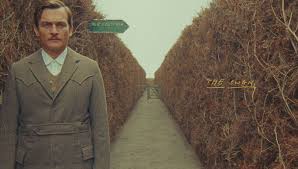
3. The Swan
If Matilda represents the bright side of Dahl and Henry Sugar captures his cleverness, The Swan reveals his ability to disturb. This is one of the darkest and most uncomfortable entries in Netflix’s Roald Dahl lineup, and that is precisely what gives it power.
The story deals with cruelty, fear, and vulnerability, particularly through the eyes of a young character facing relentless torment. There is very little softness here. Instead, the adaptation leans into discomfort and tension, forcing the audience to sit with the ugliness of bullying and human brutality.
What makes The Swan effective is that it does not over-explain itself. It trusts the material and lets the emotional impact grow naturally. The result is haunting. It may not be the easiest watch, but it is one of the most memorable because it shows a side of Dahl that many casual fans do not immediately associate with him.
This is not a comforting adaptation. It is sharp, painful, and unsettling—but it proves just how much range exists within Dahl’s body of work.
4. The Rat Catcher
Few stories capture Roald Dahl’s strange, unnerving charm better than The Rat Catcher. This is a deeply odd little adaptation, built more around mood and character than plot in the conventional sense. It feels theatrical, intimate, and faintly grotesque in exactly the way Dahl’s darker stories often do.
The title itself sets expectations, and the adaptation delivers on them. There is something immediately unpleasant and fascinating about the central figure, and the film leans into that discomfort rather than trying to smooth it out. That is what makes it so effective. It invites curiosity while keeping the viewer slightly on edge.
Unlike more emotional or suspense-heavy adaptations, The Rat Catcher succeeds through atmosphere. It feels like an encounter you would rather not have but cannot stop watching. That balance of repulsion and intrigue is very Roald Dahl.
This is probably one of the more niche adaptations in the lineup, but for fans who enjoy unusual storytelling and offbeat characters, it is a perfect fit.
5. Poison
Among the most intense entries in Netflix’s Dahl slate, Poison is a story driven almost entirely by tension. It is proof that suspense does not need action scenes or elaborate twists to feel powerful. Sometimes, all it takes is a confined situation, fear, and the slow unraveling of human behavior under pressure.
The setup is simple, but the execution is what matters. The story gradually builds unease through conversation, uncertainty, and emotional shifts. As the tension rises, the real focus becomes less about the immediate threat and more about how people react to stress, fear, and prejudice.
That is what gives Poison its edge. It starts as a suspense piece, but it carries deeper discomfort beneath the surface. Like many of Dahl’s darker stories, it uses a contained scenario to expose something uglier and more revealing about human nature.
Short, sharp, and deeply effective, Poison is one of the strongest examples of how Roald Dahl’s adult-oriented material can thrive in a streaming format.
Final Thoughts
Netflix’s Roald Dahl collection in 2026 is impressive not because every adaptation feels the same, but because they don’t. Matilda The Musical brings heart and energy. Henry Sugar offers intelligence and style. The Swan cuts deep with emotional darkness. The Rat Catcher embraces the bizarre. Poison turns tension into something psychologically rich.
Taken together, these adaptations remind us that Roald Dahl was never just a children’s storyteller. He understood cruelty, absurdity, hope, fear, and human contradiction better than most. That is why his work continues to adapt so well—and why Netflix’s growing Dahl universe remains worth watching.