UDI0
 ROMA1
 FEY1
 FOR1
 MFC1
 EST1
 Fenerbahce1
 Goztepe0
 CLT1
 ORL0
 TOT
 CRY
 BET
 MCF
 MUN
 DOR
 HIL
 FAT
 MIL
 INT
 TRY
 MNS
 AVL
 FUL
 BAR
 ALA
 RAY3
 CEL0
 BOU2
 LEE0
 BRE2
 NFO0
 COV3
 SUN1
 JER
 QAT
 KENYA
 PNG
 WAR
 WPR95/5 (15.5/20 ov)
 TAS427
 NSW174/8 (60 ov)
 NZ-A
 IND-A291/7 (88 ov)
 QLD
 VIC282/9 (84 ov)
 DHA
 BAR
 SYL218
 CHATT64/1 (15 ov)
 MYMS
 KHU280/8 (82 ov)
 RAN
 RAJ155/6 (59 ov)
 NZ
 IND
 NAM
 IRE
 AFG
 ZIM
 ST-W
 BH-W
 SS-W
 HH-W
 OTAGO
 CD
 BRB
 MIS
 BAN
 PAK331/7 (48.3/50 ov, target 326)
 SL325/8
 UAE266/5 (49/50 ov, target 264)
 NED263/4
 PS-W138/1 (13.3 ov)
 MR-W136/6
 AS-W185/2
 MS-W164/7 (20 ov)
 MCF0
 DEP0
 LENS0
 F910
 MON1
 LYON0
 STR0
 HAC0
 TOU1
 SAI0
 STL0
 KVK0
 HUL2
 IPS2
 MNC0
 BHA1
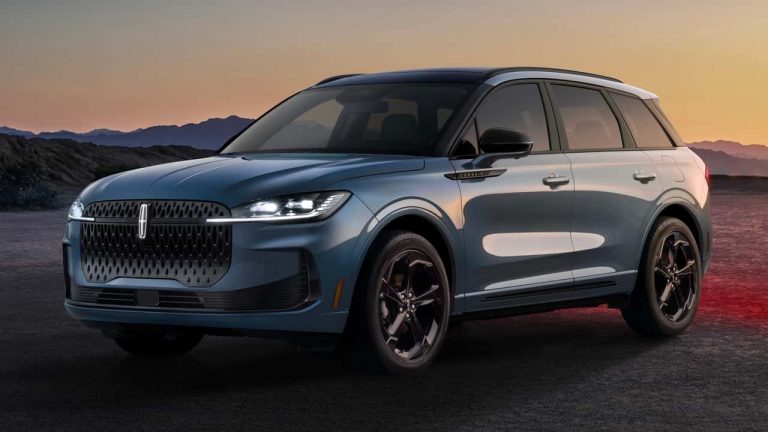
For years, the Lincoln Corsair was the quiet American in the compact luxury SUV segment — built in Louisville, Kentucky, with a conventional gasoline engine and a familiar feel.
Now the nameplate is back, but the old formula is gone. What’s replaced it? A China-built hybrid that could reshape how Lincoln thinks about global manufacturing. The key shift is location.
Production of the 2027 Lincoln Corsair Hybrid takes place in Chongqing, China, as part of the Changan Ford joint venture, according to supply-chain reports. That technology and the source of production tie directly into the automaker’s broader China-first strategy.
For a brand that has traditionally leaned on North American assembly lines, this is a notable move. International news outlets and industry trackers have followed the transition closely.
The refresh is expected to hit Chinese showrooms in late 2026 or early 2027. Lincoln hasn’t yet confirmed whether the Corsair will be exported to the United States or other North American markets. That uncertainty sits at the heart of the story — the vehicle itself signals how global automakers are rethinking their regional footprint.
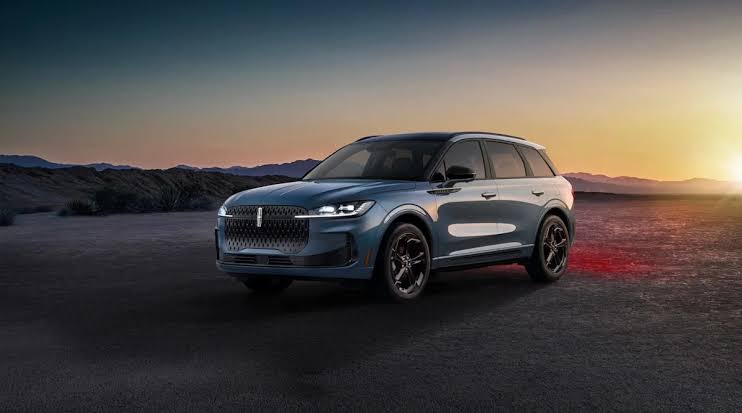
Lincoln Corsair: The Hybrid Shift: What Replaces The Gasoline Engine
The gasoline-only Corsair is gone. The new 2027 model pairs a 1.5-liter turbocharged three-cylinder engine with an electric motor, delivering a total system output of 209 horsepower.
That’s a meaningful drop from the previous 250-horsepower turbo-four, but the hybrid setup prioritizes efficiency over straight-line drama. The battery is a key detail here.
The vehicle uses a nickel-cobalt-manganese (NCM) battery pack sourced from CATL. That’s a departure from the lithium-iron-phosphate packs increasingly common in budget EVs. NCM chemistry generally offers higher energy density, which can translate into better electric-only range in hybrid duty, though Lincoln has yet to publish official figures. Worth noting: the switch to a three-cylinder engine is a first for Corsair.
Smaller displacement means lower emissions and better fuel economy, but it also changes the driving character. Owners who valued the old car’s smooth, quiet behaviour may need to recalibrate expectations.
How The New Corsair Compares With The Old One
A side-by-side comparison makes the generational leap clear. The old Corsair was built for America. The new one is built for China, and the design philosophy reflects that shift.
| Specification | 2026 Corsair (Gasoline) | 2027 Corsair (Hybrid) |
|---|---|---|
| Production location | Louisville, Kentucky, USA | Chongqing, China |
| Powertrain | 2.0-liter turbo I4 | 1.5-liter turbo I3 + electric motor |
| System output | 250 horsepower | 209 horsepower |
| Battery type | N/A (no battery) | NCM pack from CATL |
| Target market | North America | China (export TBD) |
Pricing hasn’t been disclosed, but China-market hybrids typically undercut their US counterparts by a wide margin. If Lincoln exports the Corsair to America, a sub-$40,000 starting price looks plausible.
Lincoln has spent a decade cultivating a “quiet luxury” image in the United States. Selling a Chinese-built hybrid under that banner is a different kind of statement, and some buyers may hesitate. The shift also puts pressure on dealerships, which will need to reassure customers about parts availability and service training for a new powertrain.
What The China Move Means For Global Buyers
The Corsair’s pivot reflects a decade-long trend where Chinese joint ventures have become engineering hubs, not just low-cost assembly points. Changan Ford has been modernising its Chongqing plant for years, and the Corsair Hybrid is the first direct beneficiary of that investment.
For Indian buyers, there’s a lesson here about how global platforms adapt to regional realities. The Corsair’s approach — taking a nameplate, re-engineering it for a specific market, and keeping production local — mirrors what several automakers have done in India with models like the Hyundai Creta and the Mahindra XUV700, though
Related Articles
Was this article helpful?
Your feedback directly improves future articles on this site.