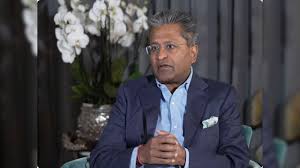
Lalit Modi, the visionary behind the Indian Premier League, has sparked a fierce debate by claiming that match-fixing has evolved into a sophisticated new level that traditional detection methods can’t catch. This warning comes at a time when the league is experiencing huge viewership and commercial success, casting doubt on the integrity of modern T20 cricket.
The scale of these operations has shifted. They have moved from simple spot-fixing to more complex, data-driven manipulation that even the most vigilant anti-corruption units struggle to address.
The Evolution of Spot-Fixing and Digital Vulnerability
The real twist is how technology has turned into a double-edged sword for the sport. Modi suggests that today’s fixers no longer rely on obvious signals or blatant wide balls. Instead, they exploit subtle margins—like the exact timing of a powerplay or specific fielding adjustments—to sway betting markets that operate on encrypted offshore platforms. BBC Sport confirms this.
This situation creates a nightmare for regulators who have spent years tracking traditional patterns while these new players slip into the shadows of algorithmic betting.
The complexity of modern IPL betting means that a single over can involve millions of dollars in turnover across different platforms. When the stakes get this high, the temptation to compromise the game skyrockets.
Modi’s claim that current monitoring tools are falling short is supported by the enormous volume of data generated in every match. The challenge for the BCCI and other global boards goes beyond just monitoring players; it involves securing the entire ecosystem against these high-tech intrusions.
Impact on League Integrity and Future Governance
Not everyone shares Modi’s alarmist view. Some officials argue that current anti-corruption protocols are stronger than ever. Still, the speed at which these “sophisticated” methods are being adopted leaves little room for complacency.
If the sport doesn’t adapt, the trust of millions of fans following the IPL 2026 season could be seriously damaged. The focus should now turn to radical transparency and implementing real-time forensic data tracking that can flag issues before they escalate on the field.
What’s really happening is a quiet arms race between those protecting the sport and those trying to undermine its integrity from within. It’s expected that the BCCI will fast-track new regulations during the upcoming off-season to tackle these specific threats, according to recent reports from ESPN.
The integrity of the game hinges on whether authorities can bridge the gap between legacy surveillance and the advanced tactics used by these new-age syndicates. If they can’t, the very foundation of the tournament might face a crisis of confidence that no marketing can resolve.
FAQs
What exactly is the ‘sophisticated’ level of fixing Modi refers to?
It refers to data-driven betting and subtle, non-obvious manipulations of match events that avoid triggering alerts in traditional anti-corruption monitoring systems.
Has the BCCI responded to these specific claims?
As of June 1, 2026, the BCCI hasn’t issued a formal statement, though internal discussions about enhanced digital surveillance are ongoing.
How does this impact the average cricket fan?
While it doesn’t affect the immediate outcome of a match, it threatens the long-term credibility of the sport and the fairness of the associated betting markets.
Why does Lalit Modi believe current detection methods are insufficient for the IPL?
Lalit Modi argues that modern match-fixing syndicates are using advanced technology and encrypted communication channels that evade traditional anti-corruption monitoring systems, making it much harder for cricket authorities to detect illicit activities.
What specific risks does Lalit Modi associate with the rise of sophisticated fixing in the IPL?
Lalit Modi warns that these high-tech manipulation tactics could threaten the integrity of the Indian Premier League, potentially undermining fan trust and the commercial value of the tournament if the Board of Control for Cricket in India doesn’t implement stronger, tech-forward oversight.