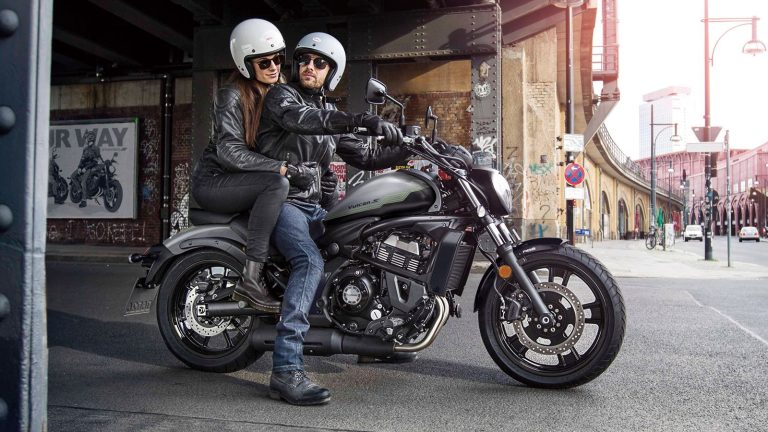
The 2027 Kawasaki Vulcan S is being introduced to India with suggested torque adjustments and a new colour option. The reported starting figure sits near ₹8.23 lakh. According to available industry coverage, the updated motorcycle continues with the familiar Vulcan S formula while gaining a small but meaningful mechanical revision.
What has changed on the 2027 Kawasaki Vulcan S?
The biggest update reportedly involves a slight increase in torque, which should make the Kawasaki Vulcan S more responsive during city riding and relaxed highway cruising.
Kawasaki has also introduced a new color, giving buyers a fresh visual option without changing the motorcycle’s core cruiser identity. The ₹8.23 lakh 2026 Honda Prelude Long: coverage offers a useful reminder that model-year changes can matter even when the basic product remains familiar.
The Kawasaki Vulcan S is built around a 649 cc parallel-twin engine, a configuration shared with other motorcycles in Kawasaki’s middleweight portfolio. Its engine layout gives the cruiser a different character from larger V-twin motorcycles, with a compact package and a power delivery suited to everyday riding.
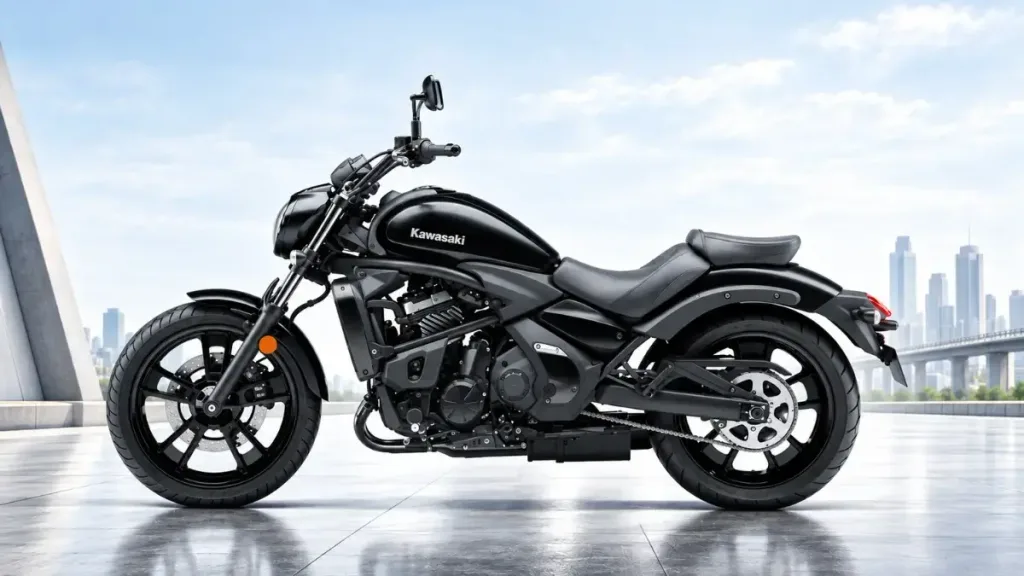
The suggested torque increase is notable because cruiser buyers often value roll-on performance more than outright top speed. Additional torque can reduce the need for frequent downshifts when overtaking or climbing a flyover, although the actual benefit will depend on the revised output, gearing, and throttle calibration.
Definition: Torque is the turning force produced by an engine. In everyday riding, stronger torque at usable engine speeds can make acceleration feel easier without requiring high revs. The engine update therefore matters most to riders who use the Vulcan S for commuting and touring rather than track-style performance. The next question is how that change affects its position in India. For more detail, see Roadshow by CNET.
Why does the 2027 Kawasaki Vulcan S matter in India?
The it occupies a distinctive space because it combines cruiser ergonomics with a parallel-twin engine. Its adjustable riding position is intended to accommodate different rider sizes, while the relatively manageable middleweight platform makes it less intimidating than a large-displacement cruiser.
At ₹8.23 lakh, the motorcycle is a considered purchase rather than an entry-level upgrade. Its appeal will depend on whether buyers prioritise Kawasaki’s brand, relaxed highway comfort and distinctive design over the broader practicality offered by road-focused motorcycles in the same Volkswagen Unveils Ridiculously Efficient report covers a very different efficiency-led approach, while the Vulcan S remains focused on mechanical character and long-distance riding.
What should buyers check before booking?
Prospective owners should confirm the exact torque figure, available colour, delivery timeline and on-road ₹8.23 lakh figure. Buyers should also examine seat height, handlebar reach, luggage options and service support before committing.
A test ride can reveal whether the cruiser’s riding position suits daily traffic as well as open roads, while Kawasaki’s maintenance schedule should be included in the ownership calculation. The Market Reality: What the Honda Civic represents for long-term build quality shows why ownership decisions should look beyond launch specifications and headline pricing.
Bottom line:
The 2027 is a targeted update, but it has higher torque, a new color, and ₹8.23 lakh
FAQs:
What is the 2027 Kawasaki Vulcan S?
What is new on the 2027 Kawasaki Vulcan S?
What engine does the Kawasaki Vulcan S use?
Should you buy the 2027 Kawasaki Vulcan S?
Was this article helpful?
Your feedback directly improves future articles on this site.