NZ113/3 (14.4 ov)
 IND
 NAM321/6
 IRE208/5 (37.3/50 ov, target 322)
 MEX-W
 ARG-W
 ARS
 EVE
 COV
 FUL
 OFC
 NEU
 NEOM
 ABH
 RAC
 ESP
 KHO
 ETT
 NAP
 ROMA
 MOZ19
 UGA23/0 (0.5/20 ov, target 20)
 Ipswich1
 Nottm Forest1
 Alavés1
 Málaga1
 Torino3
 Monza2
 KENYA
 QAT
 SWD-W
 EPR-W
 TTN-W
 WPR-W
 BOR135/3 (18/20 ov, target 137)
 WAR136/8
 NZ-A135/3 (41 ov)
 IND-A113
 DHA293/3 (84.1 ov)
 RAJ
 MYMS299/4 (87 ov)
 CHATT
 RAN320/5 (80 ov)
 BAR
 SYL
 KHU
 UAE
 NED
 PAK
 ENG
 IND-W
 ZIM-W
 GMB
 LES
 ZMB
 NGA
 AFG170/3 (34.3/50 ov, target 170)
 ZIM169
 CHE
 TOT
 Brest1
 Nice2
 Stuttgart2
 Gladbach3
 Al Ahli4
 Al Khaleej1
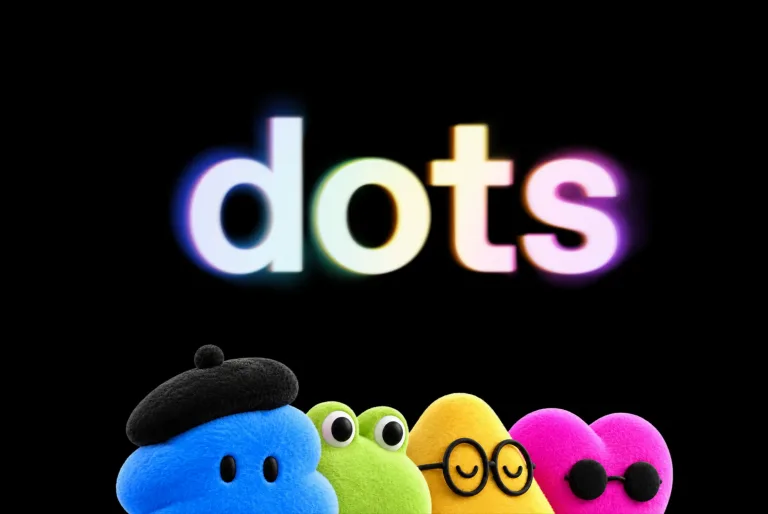
Until this morning, most users leaned on static prompts that disappeared the second they closed the browser tab. When OpenAI reportedly launched Dots on Wednesday, September 30, 2026, the whole industry went quiet.
The announcement reportedly limited availability, so most general users couldn’t touch the feature right away. Specific technical hardware specs? Not detailed in the initial press release. Official pricing and exact tiered subscription requirements stayed under wraps during the September 30 launch, too.
ChatGPT’s Workflow Before Dots
For months, developers assumed AI assistants would stay boxed in behind basic corporate firewalls. Users had to chain separate apps together by hand, splitting their attention across multiple screens. Complex tasks stalled the moment someone walked away from their desk.
Even our earlier coverage of how OpenAI Takes ChatGPT into office suites showed how hard it was to automate continuous workflows without dedicated background processes. The old paradigm demanded constant human supervision to hold context windows and run sequential instructions. One interruption broke the automation loop, and workers had to restart multi-step operations from scratch. That reliance on synchronous interaction became a real bottleneck for knowledge workers juggling heavy digital loads.

Dots’ Restricted Launch and Cloud Agents
The new system reportedly gives the assistant a permanent job instead of a temporary command. Each instance reportedly gets its own virtual machine and web browser running entirely in the cloud. These agents can reportedly connect to external platforms and keep working toward your goals even when you’re offline.
The rollout reportedly starts exclusively with ChatGPT Pro and Business Premium subscribers in eligible markets. Enterprise users on Edu and Healthcare plans can also reportedly test the beta if their workspace administrator flips the setting on. That said, gating such a powerful tool at launch looks counterintuitive. Maybe the company wants strict operational boundaries in place before scaling the infrastructure globally. The architecture reportedly favors stability over rapid deployment. That could keep runaway compute costs from destabilizing existing service tiers.
Dots’ Cloud Infrastructure and Unconfirmed Specs
Running advanced language models locally has clear advantages for data privacy, which stays a critical concern for enterprise clients. We’ve tracked similar shifts since our report on OpenAI Dev ChatGPT updates — autonomous systems need strict guardrails to prevent surprise billing spikes. And if you’re wondering whether the Sachin ChatGPT and OpenAI collaborations signal mainstream adoption, this architecture suggests reliability comes before universal accessibility.
Technical Specifications and Cloud Infrastructure
The architectural shift reportedly moves computation entirely off-device, which changes how users think about resource allocation. Since the system reportedly runs inside isolated virtual machines, local RAM, storage capacity, processor type, display resolution, and battery capacity have zero relevance to performance.
This cloud-native design reportedly wipes out hardware limits, but it adds a new dependency on stable network connectivity. Server-side isolation reportedly keeps output quality consistent no matter which client device you’re on.
Dots Access Comparison and Verdict
Moving from interactive chat to persistent agents marks a real evolution in consumer software expectations. Teams are now weighing whether the operational gains justify the premium subscription costs. Traditional prompt-based workflows need direct human oversight at every step; automated agents reportedly run silently until they’re done.
Was this article helpful?
Your feedback directly improves future articles on this site.