India’s most iconic planned city is facing its most serious threat — not from invaders or earthquakes, but from bulldozers, encroachments, and bureaucratic inaction. UNESCO has warned that Jaipur may lose its World Heritage status — which it received only in 2019 — after raising conservation concerns twice, in 2023 and again in 2025, following reports of demolitions and illegal construction near heritage precincts. Wikipedia The deadline is December 2026. The clock is ticking.
Jaipur Heritage Crisis — At a Glance
| Detail | Info |
|---|---|
| UNESCO Tag Awarded | 2019 |
| UNESCO Warnings Issued | 2023 and 2025 |
| Deadline to Save Tag | December 2026 |
| Report Required | State of Conservation Report |
| Havelis in 1991 | ~1,200 |
| Havelis Remaining Today | ~800 |
| Sites Delisted Globally | Only 3 — Liverpool, Dresden, Oman |
| Indian Sites Previously Monitored | Hampi, Ahmedabad |
| Next Review | 49th World Heritage Committee Session, 2027 |
What Is Going Wrong in the Pink City?
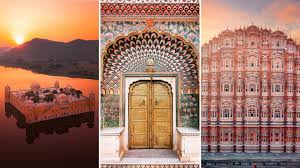
Founded in 1727 by Maharaja Sawai Jai Singh II as one of India’s first planned cities — built on a grid inspired by Vedic design — Jaipur’s pink façades, bazaars, gateways, temples, and havelis form a distinct historic landscape that UNESCO’s 2019 recognition helped spotlight globally. Yet that same vibrancy is now under threat.
In 1991, the Walled City had around 1,200 havelis — today, that number has fallen to just 800, reflecting years of demolition, neglect, and unregulated redevelopment. Wikipedia
UNESCO’s 2025 report specifically flagged the Kalupur Railway precinct redevelopment in the buffer zone and the Danapith Fire Station redevelopment within the core heritage area as direct threats to the city’s integrity. Wikipedia
What Happens If Jaipur Fails the Test?
If Jaipur’s State of Conservation Report is inadequate, UNESCO could deploy a Reactive Monitoring Mission — and if serious issues persist, the city risks being placed on the List of World Heritage in Danger, reviewed annually with close international scrutiny.
Only three World Heritage Sites have ever been fully delisted globally — Liverpool’s Maritime Mercantile City in England, Dresden Elbe Valley in Germany, and the Arabian Oryx Sanctuary in Oman. Wikipedia India cannot afford to add Jaipur to that shameful list.
Conservator Mayank Singh, who has researched the City Palace of Jaipur, notes that while tourism projects at Amer Fort and Jal Mahal show promise, genuine concerns persist about encroachments and unregulated construction in notified zones — and only a collective effort by stakeholders and authorities can preserve this prestigious status.
For more context on India’s 44 UNESCO World Heritage Sites and what their preservation means for the nation, visit the UNESCO World Heritage Sites in India Wikipedia page.
Stay updated on India’s heritage, travel, and cultural policy stories at Technosports — your trusted source for impactful news and analysis.