NED
 OMA
 NZ
 IND
 NAM
 IRE
 PAK
 SL
 SA
 AUS
 Abha
 Al Faisaly
 AFG
 ZIM
 Sassuolo
 Lazio
 SEV2
 OSA0
 PSG2
 LYON0
 MBSG1
 CFC0
 Barcelona1
 Real Madrid2
 NZ-A317 & 164/8 (48.5 ov, target 313)
 IND-A113 & 516
 SYL575/4 (167.3 ov)
 KHU
 MYMS465/7d
 CHATT424/6 (121 ov)
 DHA521
 RAJ162 & 215/5 (59.1 ov) (f/o)
 RAN402 & 5/0 (2.3 ov)
 BAR443/9d
 SIKM30/1 (15 ov)
 NAGA187
 JHK
 DELHI312/5 (91 ov)
 ODSA194
 SVCS13/0 (5 ov)
 BRODA259/6 (86 ov)
 J & K
 CHD363/2 (87 ov)
 HP
 CGR38/1 (14.5 ov)
 AP231
 HYD
 PNJB293/6 (91 ov)
 BAN
 WI
 IND-W
 ZIM-W
 BRB149/5 (16.2/20 ov, target 148)
 MIS147
 MOW107/9
 TOK111/5 (18.4/20 ov, target 108)
 LUL88/3 (9.5/20 ov, target 88)
 SPR87
 AS Roma
 Cagliari
 Torino
 Como
 GOA
 SC Delhi
 Daejeon
 Vissel Kobe
 Darul Ta'zim
 Port FC
 Kyoto Sanga
 Newcastle Jets
 Udinese0
 Milan2
 Real Sociedad2
 Levante1

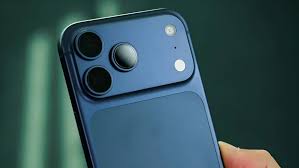
The Apple iPhone 18 privacy benefits and internal hardware shift represent a significant evolution in how the company handles user data transmission. Apple officially announced the device on May 14, 2026, confirming its commitment to proprietary hardware integration.
With a launch date scheduled for June 2026, the $1,099 base model introduces a custom-designed modem switch, a strategic move that highlights the company’s long-standing effort to reduce reliance on third-party silicon suppliers.
The Engineering Behind the New Modem Architecture
Apple’s transition to in-house modem technology is a calculated risk aimed at tightening the ecosystem. By controlling the baseband processor, the company gains granular oversight of how data packets are handled between the device and cellular towers. This move mirrors the shift seen in their Qualcomm Snapdragon Apple processor comparisons, where custom silicon consistently outperformed generic alternatives. The modem switch is designed to obscure metadata that could otherwise be harvested by network providers. While industry observers at The Verge have long speculated about this pivot, the official announcement confirms that the hardware is now ready for mass-market deployment. The goal is clear: prevent telemetry leaks at the hardware level, ensuring that user activity remains private even before it reaches the operating system’s software-based safeguards.
Impact on Real-World Performance and User Security
The iPhone 18 features the A18 Bionic chip, a 6.7-inch Super Retina XDR OLED screen, 8GB RAM, and 512GB storage to manage intensive data tasks. With a battery capacity of approximately 4,500mAh, the device is optimized to maintain these privacy-focused connections without compromising longevity. Unlike the RTX 5080 Performance standards which prioritize raw compute, Apple’s focus here is on efficient, encrypted communication. By integrating the modem directly with the A18 Bionic, the company eliminates the latency and security gaps often found in external chipset configurations. This deep integration allows for faster, more secure handshakes with 5G towers. For the average user, this means the device can perform complex network routing tasks while keeping location and identity markers masked, providing a layer of security that software-only VPNs simply cannot replicate.
. Privacy benefits, in particular, deserves more attention than the headline suggests.
Expert Perspectives on the Apple Ecosystem
Industry analysts note that while software privacy is common, hardware-level obfuscation is rare. Sources familiar with the development suggest that this modem design was a multi-year project involving hundreds of engineers.
While some critics argue that proprietary modems might struggle with compatibility in niche global markets, the consensus is that Apple’s vertical integration will likely yield a more stable and secure experience for the majority of users worldwide. Privacy benefits, specifically, plays a bigger role than most coverage suggests.
Future Implications for Smartphone Connectivity
As we look toward the June release, the focus will shift to how these privacy features hold up against real-world carrier testing. If successful, the iPhone 18 could force other manufacturers to reconsider their reliance on off-the-shelf networking components. We expect to see more data on throughput speeds once the devices reach consumers. Understanding privacy benefits fully means staying ahead of these developments.
FAQs
When is the iPhone 18 available?
The device is scheduled for a global retail launch in June 2026.
Does the modem improve security?
Yes, it reduces metadata exposure by handling data encryption at the hardware level.
What is the base price?
The base model starts at $1,099. privacy benefits
How does the new custom modem improve iPhone 18 privacy?
The custom modem reduces reliance on third-party hardware, allowing Apple to implement proprietary encryption protocols at the baseband level. This minimizes the risk of metadata leakage and prevents unauthorized tracking by external network entities.
Does the custom modem affect cellular signal quality?
While the primary focus is security, the custom modem is engineered for tighter integration with Apple’s antenna arrays. This results in more stable connections and improved signal handoffs, ensuring that performance remains high without compromising user privacy.
Is the iPhone 18 more secure than previous models?
Yes. By moving away from third-party modem suppliers, Apple has gained full control over the firmware stack. This eliminates potential “backdoor” vulnerabilities often found in off-the-shelf modem components, making the iPhone 18 the most secure model to date.
Will the custom modem impact battery life?
The custom modem is designed for superior power efficiency compared to previous iterations. By optimizing how the device communicates with cellular towers, the iPhone 18 consumes less power during background data tasks, contributing to better overall battery longevity.
Can I still use my current carrier with the new modem?
Absolutely. Despite the shift to custom internal hardware, the iPhone 18 remains fully compatible with all major global cellular networks. The transition to Apple-designed silicon happens entirely behind the scenes, ensuring a seamless experience for the end user.