NAM321/6 (50 ov)
 IRE
 FCA
 FCU
 KOE
 S04
 M05
 SVW
 RBL
 ELV
 SCP
 HSV
 MEX-W
 ARG-W
 ARS
 EVE
 COV
 FUL
 MOZ19
 UGA23/0 (0.5/20 ov, target 20)
 NZ180/5
 IND181/6 (19.5/20 ov, target 181)
 Ipswich1
 Nottm Forest1
 Alavés1
 Málaga1
 WA105/3 (18.5/50 ov, target 372)
 NSW371/8
 DEN
 KUW
 KENYA
 QAT
 SWD-W
 EPR-W
 TTN-W
 WPR-W
 BOR
 WAR15/1 (2.5/20 ov)
 LIONS
 Limpo21/1 (2.5/20 ov)
 NZ-A135/3 (41 ov)
 IND-A113
 DHA293/3 (84.1 ov)
 RAJ
 MYMS
 CHATT
 RAN320/5 (80 ov)
 BAR
 UAE
 NED
 PAK
 ENG
 IND-W
 ZIM-W
 GMB
 LES
 ZMB
 NGA
 AFG170/3 (34.3/50 ov, target 170)
 ZIM169
 OFC
 NEU
 Torino3
 Monza2
 Brest1
 Nice2
 Stuttgart2
 Gladbach3
 Al Ahli4
 Al Khaleej1
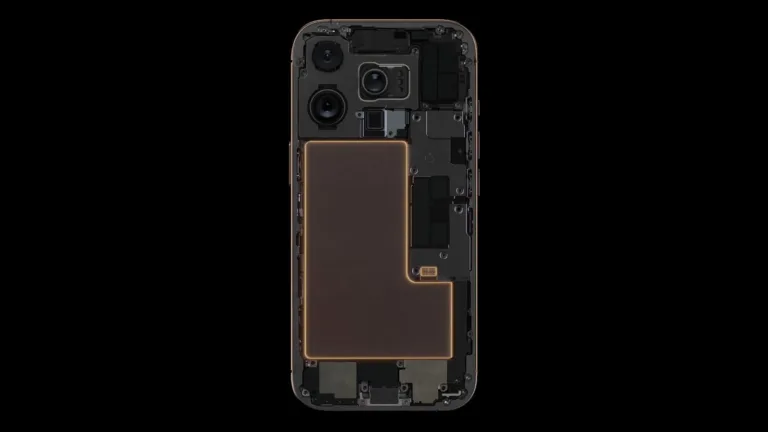
Last month, Apple introduced the iPhone 16 series featuring a host of improvements over its predecessors. But a handful of reviews warn off people from upgrading from last year’s ‘Pro’ versions, saying the design innovation and new Camera Control button just aren’t enough to warrant a changeover.
On the flip side, the iPhone 16 sees “big outward design changes along with internal changes. A report has revealed that the iPhone 17 Pro will use the brand 2024 battery replacement process which was first introduced in the iPhone 16.
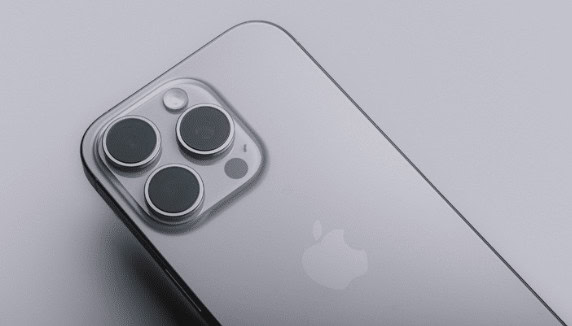
More About the iPhone 17 Pro Battery
The iPhone 16 lineup features an innovative battery removal mechanism utilizing electrically induced adhesive, which detaches the chassis when a specific current flows through the underlying circuit.
But the iPhone 16 Pro models have swapped out this process, for pull tabs like with more traditional iPhones according to a teardown from iFixit. Next year’s iPhone 17 Pro models will finally change this as the new battery removal system that debuted on iPhone 16 is coming.
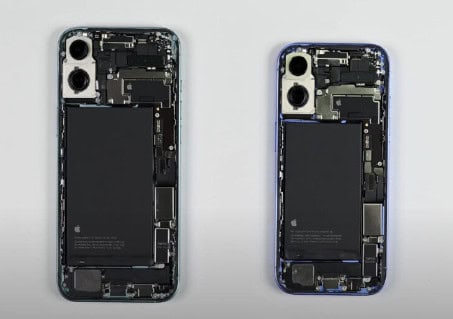
According to tipster Majin Bu in a blog post, the same method of battery removal is seen on the standard iPhone 16 models. Additional information about the change has not been provided, but it is thought that the addition of a new battery removal system will be welcomed when such hardware is arranged for an iPhone 17 ‘Pro.’
Majin Bu has been on the receiving end of some positive and negative feedback previously, but his initial reports have usually turned out to be correct such as the arrival of Desert Titanium color. Should this updated battery removal process be validated, it could make the overall method much easier. Take this with a grain of salt obviously since there’s been no confirmation from Apple.
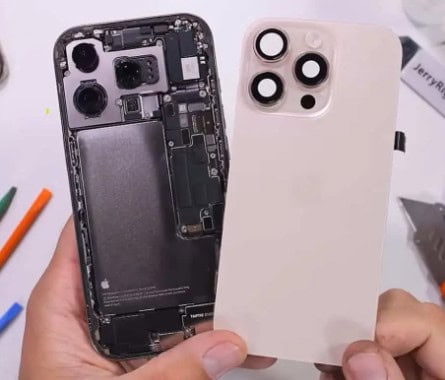
Rumors even suggest that Apple might change the design of the iPhone 17 series in a big way if sales need to be sparked. Analysts have theorized that this could be a new, thinner version of the iPhone 17, replacing the ‘Plus’ model. Even though it will not go head-to-head with the ‘Pro’ models, this also likely points to a more expensive device, albeit more focused on fashion-forward users than performance-heavy consumers.