NAP3
 ROMA3
 CHE0
 TOT0
 VAL1
 VIL0
 DOR0
 SGE0
 WIL0
 CAM3
 ALV0
 FCA1
 MTL0
 NSH0
 RIY
 TAA
 LAZ
 PAR
 RCL
 PAR
 MEX-W
 ARG-W
 ATM
 DEP
 UAE
 NED
 PAK
 ENG
 IND-W
 ZIM-W
 KHO0
 ETT3
 RAC2
 ESP1
 ARS2
 EVE0
 KNGHT126/6
 MPUMA63/4 (10.1/20 ov, target 127)
 NZ-A135/3 (41 ov)
 IND-A113
 SYL
 KHU
 MYMS299/4 (87 ov)
 CHATT
 DHA293/3 (84.1 ov)
 RAJ
 RAN320/5 (80 ov)
 BAR
 GMB
 LES
 MOZ
 ZMB
 NGA
 UGA
 NAM321/6
 IRE290 (47.3/50 ov, target 322)
 NZ180/5
 IND181/6 (19.5 ov)
 BHA3
 WHU0
 Inter Milan
 Fiorentina
 Churchill
 Punjab FC
 Athletic
 Getafe
 C Palace
 Newcastle
 COV0
 FUL1
 OFC0
 NEU0
 NEOM2
 ABH0

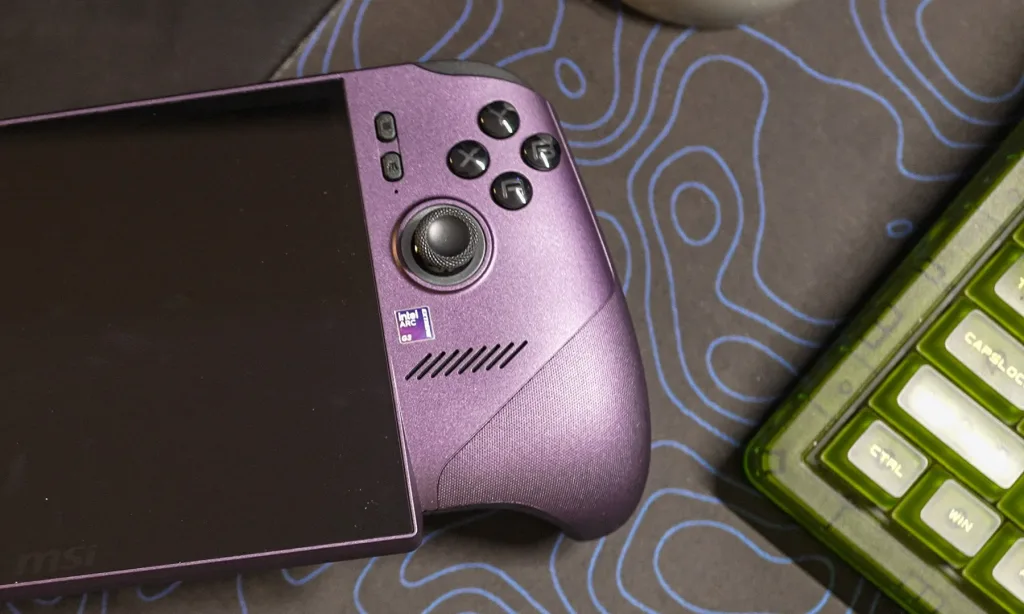
Intel’s handheld PC bet finally became real when the Intel Arc G3 Extreme was tested and published for review on Monday, August 10, 2026, marking a concrete step into portable gaming. That matters because handheld performance and efficiency live or die by the chip’s design, and Intel has been mostly absent from this specific “no desk, all FPS” segment.
Here’s the thing: Intel isn’t arriving with a vague promise—it’s arriving with a specific handheld platform and a custom processor that has to earn trust through results. The details below are based on the available coverage and testing material, not on any additional official spec sheets beyond what’s verified.
Overview: Intel Arc G3 Extreme enters handheld gaming in 2026
Intel officially entered the handheld gaming market with the release of the Intel Arc G3 Extreme, with testing and release coverage published in August 2026. The key timeline point is clear: the testing write-up landed on Monday, August 10, 2026, giving the community a new reference point for how Intel’s architecture behaves in a handheld envelope.
In practical terms, this is Intel moving from “PC graphics and ecosystem” into the tight constraints of handheld gaming. If you care about handheld PC competition in India and globally, this matters because performance-per-watt and driver maturity tend to decide what’s actually playable during bus rides and long flights—not just what benchmarks say on paper.
Key Details: what powers the handheld and what Intel is betting on
The Intel Arc G3 Extreme handheld is powered by the custom Intel Arc G3 Extreme processor chipset. That’s the core of the product story: Intel is tying its portable gaming future to a dedicated chipset, rather than relying on generic mobile components.
According to the testing published as first-hand coverage of the platform’s behavior, it frames Intel’s entrance as more than a brand name on a device. Instead, the focus is on how the chip positions itself against established handheld PC options—where drivers, scheduling, and GPU execution all need to work together under thermal limits.
Here’s the unresolved tension: handheld gamers often want “easy compatibility” from day one, especially for popular multiplayer titles. Intel’s upside is architectural clarity and long-term software investment, but the downside—experienced with any new platform—is that software tuning can take time across drivers, firmware, and game-specific paths.
Where the “tested” part changes the conversation
A lot of handheld announcements fade into concept territory. Testing that reaches publication dates creates a baseline for buyers who don’t want to gamble on unproven performance. Even more importantly, it sets expectations for whether Intel’s handheld entry can compete on sustained gameplay, not just burst benchmarks.
Context: why Intel’s handheld arrival is a bigger deal than it sounds
Handheld PC competition is no longer only about raw power; it’s about stability across sessions, frame consistency, and practical software support. If Intel gets the optimization layer right, it could turn “Intel as an alternative” into “Intel as a default choice” in certain
That said, we should address the opposing view: some players will argue that Intel’s handheld entry doesn’t fix a bigger historical issue—handheld software ecosystems can take longer to mature than desktop PCs. Our rebuttal is simple: a custom chipset reduces uncertainty because it lets Intel control more of the hardware-software contract than a third-party module approach would.
This kind of launch also pressures competitors to respond faster with driver updates and better handheld profiles. Even if Intel starts behind on “day-one game readiness,” a measured, consistent improvement path can still win mindshare.
What’s Next: candidate paths for Intel, with trade-offs and a verdict
Intel has three realistic candidate solutions after launch testing—each with a trade-off that affects how quickly buyers feel confident.
| Candidate solution | What it improves | Downside |
|---|---|---|
| Fast driver tuning for popular titles | More consistent frames and fewer hiccups | Higher regression risk during rapid updates |
| Clear developer guidance for handheld profiles | Better game-specific performance scaling | Slower impact if dev adoption lags |
| Ongoing firmware/thermal tuning updates | Sustained performance under handheld cooling | Users may need to update often for best results |
If Intel prioritizes driver tuning for popular titles, the short-term experience improves for most buyers, but the team must carefully avoid instability. If Intel prioritizes developer guidance, performance can get smarter over time, but rollout speed depends on third-party uptake.
And if Intel prioritizes firmware and thermal tuning, the device can feel smoother immediately, but it won’t fully solve “game compatibility” gaps alone. Here’s our forward-looking recommendation: if you’re choosing based on day-one confidence, lean toward platforms with the most mature handheld driver stacks; if you want a long-term Intel growth path, the Arc G3 Extreme launch is a strong starting signal—provided Intel keeps closing the software gap with updates. Expect Intel’s next moves to be judged as much by patch cadence as by raw performance. Stay tuned for more on intel arc g3 extreme. For more detail, see Destructoid.
FAQs
Is Intel Arc G3 Extreme officially released for handhelds?
Yes. Intel officially entered the handheld gaming market with the Intel Arc G3 Extreme, and testing was published in August 2026. The testing coverage specifically appeared on Monday, August 10, 2026.
What powers the Intel Arc G3 Extreme handheld?
The handheld device is powered by the custom Intel Arc G3 Extreme processor chipset. That’s the key hardware detail tied directly to Intel’s portable gaming approach.
When was the Intel Arc G3 Extreme handheld testing published?
The testing was published on Monday, August 10, 2026. This date is part of the verified launch-and-testing timeline.
Why is “tested” important for handheld buyers?
Handheld performance is tightly constrained by thermals and battery behavior, so real testing helps avoid overpaying for specs that don’t translate into sustained gameplay. It also creates a reference baseline for how Intel’s platform behaves with games.
Source: Example
Was this article helpful?
Your feedback directly improves future articles on this site.