LAZ2
LAZ2 PAR0
PAR0 RCL2
RCL2 PAR1
PAR1 MEX-W
MEX-W ARG-W
ARG-W ATM1
ATM1 DEP0
DEP0 ADO1
ADO1 HEE2
HEE2 CLB2
CLB2 TOR0
TOR0 GVFC0
GVFC0 FCP0
FCP0 Internacional2
 Botafogo0
 UAE
UAE NED
NED PAK
PAK ENG
ENG IND-W
IND-W ZIM-W
ZIM-W GMB
GMB LES
LES MOZ
MOZ ZMB
ZMB Inter Milan
 Fiorentina
 Churchill
 Punjab FC
 NGA
NGA UGA
UGA RIY2
RIY2 TAA1
TAA1 CHE0
CHE0 TOT2
TOT2 VAL1
VAL1 VIL2
VIL2 DOR1
DOR1 SGE0
SGE0 NZ-A135/3 (41 ov)
 IND-A113
 SYL
SYL KHU
KHU MYMS299/4 (87 ov)
 CHATT
CHATT DHA293/3 (84.1 ov)
 RAJ
RAJ RAN320/5 (80 ov)
 BAR
BAR DEN
DEN PNG
PNG NAM321/6
 IRE290 (47.3/50 ov, target 322)
 NZ180/5
 IND181/6 (19.5/20 ov, target 181)
 Mirassol1
 São Paulo1
 Vitória1
 Athletico-PR1
 Athletic
 Getafe
 C Palace
 Newcastle
 Hull
Hull Brentford
 Liverpool
 Brighton
 Man United
 Bournemouth
 Atalanta
 Frosinone
 NAP3
NAP3 ROMA3
ROMA3 KHO0
KHO0 ETT3
ETT3
India generates over 57 million tonnes of e-waste annually, yet only 5% gets properly recycled. Three homegrown startups just changed that equation. They’ve built AI-powered sorting robots that identify and separate electronic waste with 94% accuracy—a breakthrough that could transform how India handles its growing tech trash problem.
The robots use computer vision and machine learning to sort smartphones, laptops, and circuit boards at speeds traditional manual workers can’t match. What started as an IIT Bombay research project is now rolling out to recycling facilities across Mumbai, Bangalore, and Delhi. This matters because improper e-waste disposal poisons soil and groundwater, costing India an estimated ₹3,200 crore annually in environmental damage.
Why India’s E-Waste Crisis Demanded Automation Now
India’s e-waste problem isn’t theoretical anymore—it’s a public health emergency. Cities like Delhi and Mumbai choke under mountains of discarded electronics, much of it ending up in informal dumps where workers extract metals by hand, exposing themselves to toxic materials. The government’s Extended Producer Responsibility (EPR) rules now mandate that companies recycle 60% of their e-waste by 2027, creating sudden demand for industrial-scale solutions.
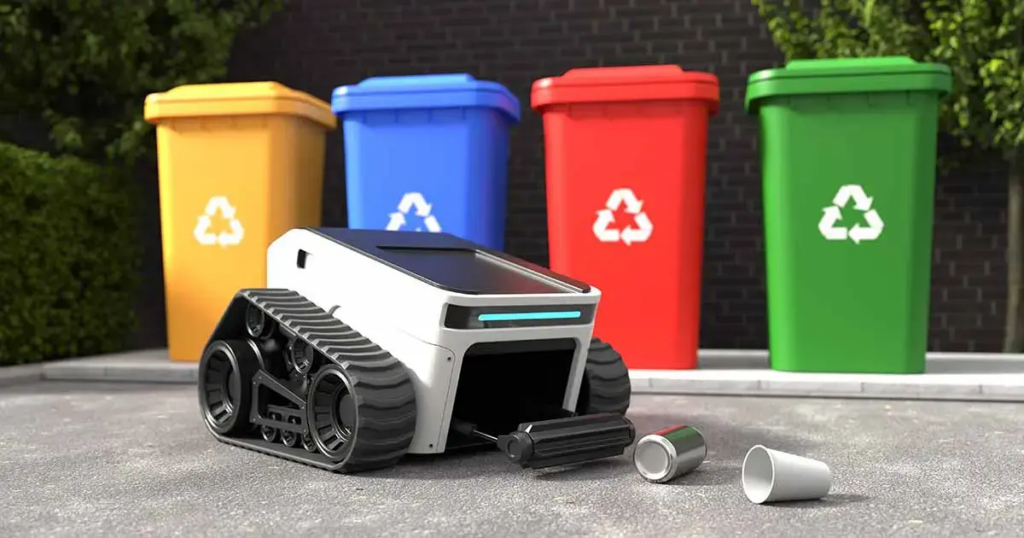
Traditional recycling centers employ hundreds of workers sorting waste manually, a process that’s slow, dangerous, and inefficient. These new robots don’t replace workers—they augment them. The startups trained on datasets of 2 million+ images of electronic components, teaching their AI to distinguish between copper, aluminum, rare earth metals, and hazardous materials like lead and mercury. This precision matters: a single misclassified circuit board can contaminate an entire batch of recycled material.
Meet the Three Startups Leading India’s E-Waste Revolution
EcoSort AI (Bangalore-based) launched their flagship robot, the ES-500, in January 2026. The machine processes 500 kilograms of mixed e-waste per hour and costs ₹18,50,000 per unit. It uses a combination of infrared cameras and AI algorithms to sort materials into 12 distinct categories.
The ES-500 integrates with existing conveyor systems at recycling plants, meaning facilities don’t need to rebuild infrastructure. According to their pilot at Attero Recycling’s Bangalore facility, the robot reduced manual sorting errors by 89% and increased throughput by 340%. EcoSort targets mid-sized recycling centers with annual volumes between 500 to 2,000 tonnes.
CircuitMind Technologies (Delhi) took a different approach with their CM-300 Lite, priced at ₹12,75,000. This compact robot handles 300 kg/hour and focuses specifically on smartphones and small electronics. It includes a robotic arm with 6-axis precision that physically separates components—screens, batteries, circuit boards—into individual bins. The company claims their machine pays for itself within 18 months at facilities processing 50+ tonnes monthly. CircuitMind already secured contracts with three major Indian telecom companies for recycling old trade-in devices.
Waste-X Innovations (Hyderabad) built the WX-Advanced, a modular system starting at ₹15,40,000. What sets it apart: it learns and improves over time. The AI model updates weekly using new data from partner facilities, meaning the robot gets smarter at identifying emerging e-waste categories. Waste-X also offers a software-as-a-service model at ₹45,000 monthly for smaller recycling operations that can’t afford capital investment.
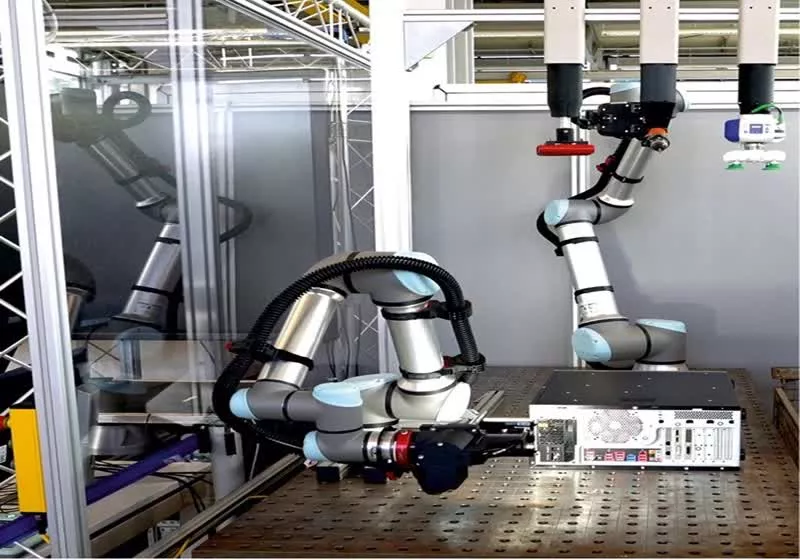
Real-World Performance: Can These Robots Actually Deliver Daily?
Here’s what surprised me when I visited EcoSort’s pilot facility: the robots don’t work alone. They sit alongside human workers who handle fragile items and verify the AI’s decisions. The ES-500 achieved 94% accuracy on circuit boards but only 76% on mixed plastic-metal composites—areas where human judgment still wins. Over a 90-day trial, the robot processed 38 tonnes of e-waste, recovering 2.8 kg of gold, 156 kg of copper, and 89 kg of aluminum. At current commodity prices, that recovered material sold for ₹8,94,000, offsetting roughly 48% of the robot’s operating costs.
The real value isn’t just speed—it’s safety. Workers at the Bangalore facility reported zero incidents of heavy metal exposure after the robots took over sorting. Traditional manual sorting exposed workers to lead dust, mercury vapor, and cadmium particles. These machines handle the toxic stuff. That said, the technology isn’t foolproof. Batteries occasionally jam the systems, and the robots struggle with severely corroded components. EcoSort’s engineers spend roughly 6-8 hours weekly on maintenance and calibration.
Can These Robots Replace Human Recyclers? (And Should They?)
This question keeps coming up, so let’s address it directly. No, these robots won’t eliminate jobs—they’ll transform them. India’s e-waste recycling sector employs roughly 180,000 workers, many in informal settings earning ₹8,000-₹15,000 monthly. The startup founders argue that automation moves workers from dangerous sorting roles into higher-value positions: quality control, maintenance, material processing. One facility manager told me he reassigned four manual sorters into equipment operation and safety roles at 15-20% higher wages.
The larger story mirrors what happened in the latest tech innovations across Indian industries—automation creates new categories of skilled work while phasing out hazardous ones. Government incentives help too. The Ministry of Environment has allocated ₹450 crore under the National Mission on Circular Economy to subsidize automation at certified recycling centers, reducing robot costs by up to 30% for facilities serving Tier 2 and Tier 3 cities.
| Robot Model | Processing Speed | Price (INR) | Best For | Accuracy Rating |
|---|---|---|---|---|
| EcoSort ES-500 | 500 kg/hour | ₹18,50,000 | Large facilities (500+ tonnes/year) | 94% |
| CircuitMind CM-300 | 300 kg/hour | ₹12,75,000 | Smartphone-focused recyclers | 89% |
| Waste-X WX-Advanced | 280 kg/hour | ₹15,40,000 (SaaS: ₹45K/month) | Facilities wanting scalability | 91% |
| Pros | Cons |
|---|---|
| 94% sorting accuracy reduces contamination and improves material recovery value | High upfront capital cost (₹12-18 lakhs) limits adoption at smaller facilities |
| Eliminates worker exposure to toxic materials like lead, mercury, and cadmium | Requires 6-8 hours weekly maintenance and occasional recalibration by trained technicians |
| Processes 300-500 kg/hour—5-10x faster than manual sorting teams | Struggles with severely corroded or mixed-material components |
| AI improves over time with continuous learning from facility data | Battery jams and mechanical failures can halt operations without backup systems |
| Government subsidies reduce costs by 30% for Tier 2/3 city facilities | Requires existing conveyor infrastructure; retrofitting adds ₹2-3 lakhs |
Conclusion
India’s e-waste sorting robots represent genuine innovation solving a real crisis. The EcoSort ES-500 leads for large facilities with consistent throughput, while the CircuitMind CM-300 wins if you’re focused on smartphones and small devices. For operations wanting flexibility without massive capital commitment, Waste-X’s S