NAM316/7
 IRE253 (44.5/50 ov, target 317)
 SA262/6 (65.2 ov)
 AUS
AUS AFG7/0 (0.6/20 ov)
 ZIM
ZIM SAS
SAS LAZ
LAZ ROMA
ROMA CAG
CAG TOR
TOR COMO
COMO BAN
BAN WI
WI IND-W
IND-W ZIM-W
ZIM-W GOA
GOA SC Delhi
 Milan
Milan Bologna
 Parma
Parma Udinese
 ABH0
ABH0 ALF1
ALF1 PAK110
 SL114/2 (18.1/50 ov, target 111)
 NZ198/3
 IND199/4 (13.2 ov)
 NED371/5
 OMA265 (49.3/50 ov, target 372)
 JER
JER KUW
KUW JAB94/7 (15.1/20 ov, target 133)
 KAY132/9
 SIKM184
 NAGA187 & 46/4 (34 ov)
 JHK131/4 (47 ov)
 DELHI515/5d
 ODSA194
 SVCS13/0 (5 ov)
 BRODA616
 J & K6/0 (4 ov)
 CHD685/5d
 HP49/0 (14 ov)
 CGR216/8 (95 ov)
 AP231
AP231 HYD193/2 (54 ov)
 PNJB431
 AUCK
AUCK CANT
CANT CD
CD ND
ND DEN
DEN QAT
QAT KENYA
KENYA POA
POA SPR
SPR BRB
BRB VAG
VAG BIK149 (19.3/20 ov, target 158)
 CHR157/3
 PNG155
 MIS147
 Venezia
 Inter Milan
 Genoa
Genoa Juventus
 Sevilla2
 Osasuna0
 PSG2
PSG2 Lyon0
Lyon0 Mohun Bagan1
 Chennaiyin0
 BEI2
BEI2 JHM2
JHM2 RCH0
RCH0 KRE0
KRE0
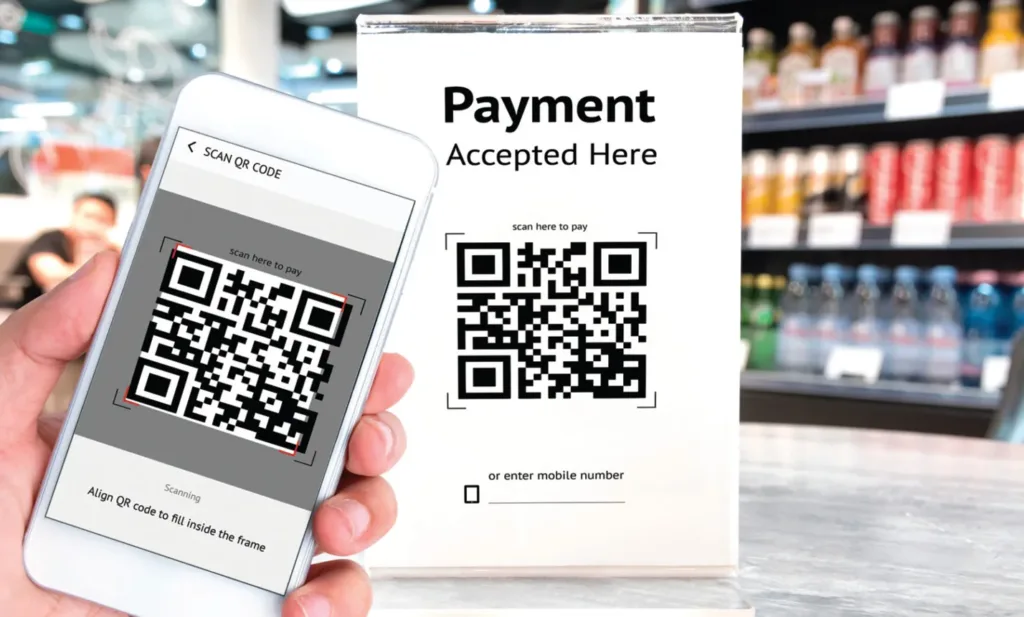
Worldline India has released its Q3 2025 digital payments snapshot, revealing India’s transformation into a scan-first economy. With 709 million active UPI QRs and record transaction volumes, the country solidifies its position as the world’s most dynamic real-time payments market.
Q3 2025 Digital Payments Overview
| Metric | Volume/Value | YoY Growth |
|---|---|---|
| UPI Transactions | 59.33 billion | +33.5% |
| UPI Value | ₹74.84 trillion | +21% |
| Active UPI QRs | 709 million | +21% |
| Credit Cards | 113.39 million | +35% |
| PoS Terminals | 12.12 million | +35% |
UPI’s Record-Breaking Momentum
UPI transaction volumes reached 59.33 billion, growing 33.5% year-over-year, with Person-to-Merchant (P2M) transactions outpacing Person-to-Person (P2P) transfers. P2M grew 35% to 37.46 billion transactions, while P2P increased 29% to 21.65 billion.
The average ticket size declined to ₹1,262 from ₹1,363, highlighting increased usage for micro-transactions in mobility, food delivery, healthcare essentials, and hyperlocal commerce. This shift demonstrates UPI’s evolution from a money transfer tool to India’s default payment infrastructure.
QR Network Dominance
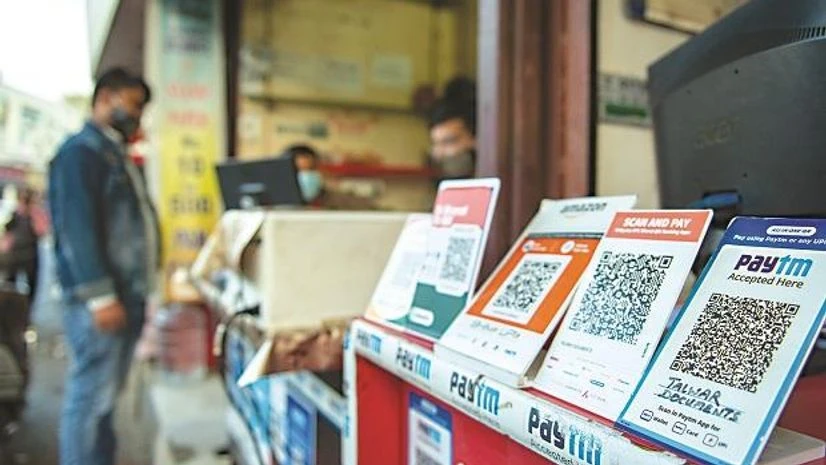
India’s 709 million active UPI QRs represent a 21% increase since July 2024. Dense QR acceptance across kiranas, pharmacies, transport hubs, and rural markets has made scan-and-pay the nationwide default. Private banks led deployment with 84% market share, while PoS terminals grew 35% to 12.12 million.
Bharat QR stood at 6.10 million, showing marginal decline as merchants migrate toward UPI QR dominance due to simpler integration and lower costs.
Cards Maintain High-Value Position
Credit card issuance surged 35% to 113.39 million cards, with transactions growing 26% to 1.45 billion worth ₹4.08 trillion. Online card transactions jumped 29% to 1.13 billion, with credit cards dominating at ₹3.86 trillion in transaction value.
Debit card transactions declined 25%, reflecting migration of low-ticket spends to UPI, while prepaid card volumes grew 23%. Credit card PoS spending increased 16%, led by fashion, travel, and wellness categories.
Future Outlook: Q4 2025 & Beyond
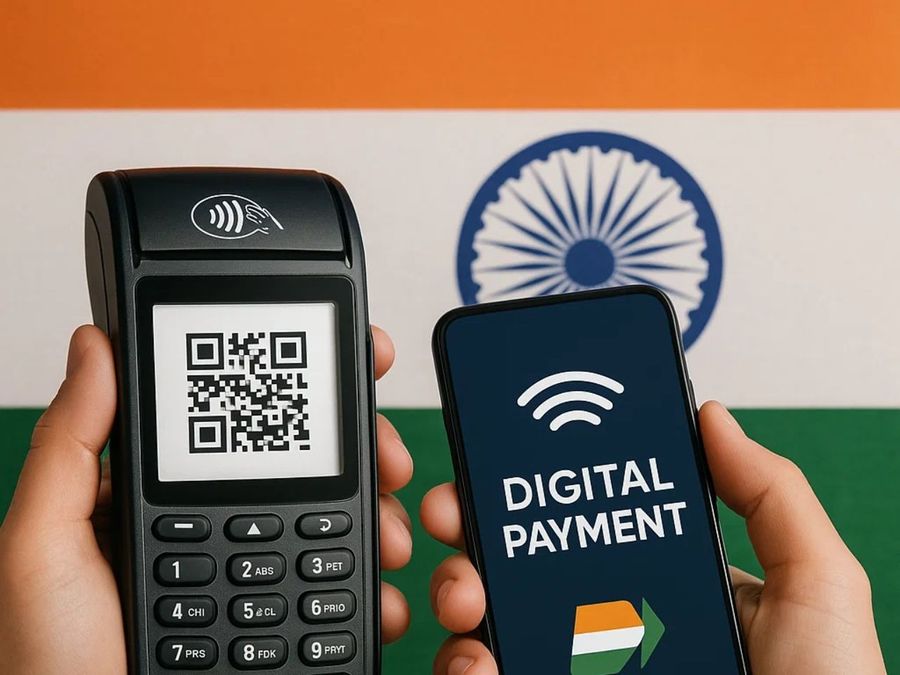
Interoperable QR is expected to expand from pilots to everyday usage across mobility, healthcare, and public utilities. Credit-on-UPI will likely witness mass adoption, enabling small-ticket credit through familiar UPI interfaces. Semi-urban centers will lead the next digital expansion phase.
Tap-and-pay usage should grow across malls and transit systems, while cross-border QR payments will expand in Asian travel corridors. For more fintech insights, visit TechnoSports.