NED
NED OMA
OMA NZ
NZ IND
IND NAM
NAM IRE
IRE PAK
PAK SL
SL SA
SA AUS
AUS Abha
Abha Al Faisaly
 AFG
AFG ZIM
ZIM Sassuolo
 Lazio
Lazio SEV2
SEV2 OSA0
OSA0 PSG2
PSG2 LYON0
LYON0 MBSG1
MBSG1 CFC0
CFC0 Barcelona1
 Real Madrid2
 BRB123/5 (14.3/20 ov, target 148)
 MIS147
 NZ-A317 & 8/2 (4 ov, target 313)
 IND-A113 & 516
 SYL575/4 (167.3 ov)
 KHU
KHU MYMS465/7d
 CHATT424/6 (121 ov)
 DHA521
 RAJ162 & 215/5 (59.1 ov) (f/o)
 RAN402 & 5/0 (2.3 ov)
 BAR443/9d
 SIKM30/1 (15 ov)
 NAGA187
 JHK
JHK DELHI309/5 (90 ov)
 ODSA194
 SVCS13/0 (5 ov)
 BRODA259/6 (86 ov)
 J & K
J & K CHD363/2 (87 ov)
 HP
HP CGR35/1 (14 ov)
 AP231
AP231 BAN
BAN WI
WI IND-W
IND-W ZIM-W
ZIM-W MEX-W51 (12.5/20 ov, target 187)
 ARG-W186/7
 NGA148
 UGA147/9 (20 ov, target 149)
 MOW107/9
 TOK111/5 (18.4/20 ov, target 108)
 LUL88/3 (9.5/20 ov, target 88)
 SPR87
SPR87 VAG169/4
 TUA3
TUA3 MUS0
MUS0 U. de Chile3
 EVE0
EVE0 USF0
USF0 EST0
EST0 BRN0
BRN0 DEF0
DEF0 POT0
POT0 GUA0
GUA0 AS Roma
 Cagliari
 Torino
 Como
Como CFC
CFC GRE
GRE FLA
FLA CAM
CAM Daejeon
 Vissel Kobe
 Darul Ta'zim
 Port FC
 Udinese0
 Milan2
 Real Sociedad2
 Levante1
China’s most ambitious AI hardware challenge yet just went public. Huawei has chosen MWC 2026 in Barcelona to make the first global debut of its Atlas 950 SuperPoD — a massive AI compute cluster it is pitching as a direct rival to Nvidia‘s Vera Rubin platform. The choice of a European stage signals Huawei’s intent to compete beyond China’s borders.
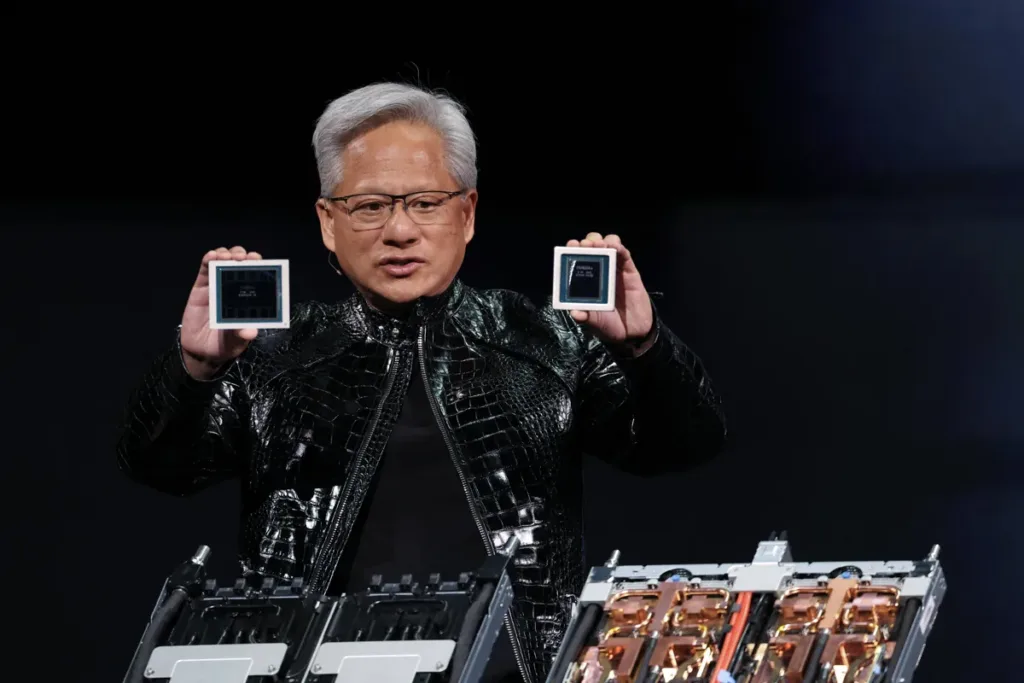
Atlas 950 SuperPoD vs Nvidia Vera Rubin: Numbers Compared
| Spec | Huawei Atlas 950 SuperPoD | Nvidia Vera Rubin (NVL576) |
|---|---|---|
| AI Chips per Rack | 8,192 Ascend 950 chips | 576 Rubin GPUs |
| Performance (FP8) | 8 EFLOPS | — |
| Performance (FP16) | 16 EFLOPS | 28.8 EFLOPS (FP4) |
| Interconnect | UnifiedBus (rival to NVLink) | NVLink 6 |
| Interconnect Bandwidth | 16.3 PB/s | — |
| Rack Footprint | Up to 1,000 sq metres | Standard data centre rack |
| Availability | China-first | H2 2026 globally |
Impressive Numbers, Important Caveats
The Atlas 950 SuperPoD mounts 8,192 Ascend 950 AI chips, claiming 8 EFLOPS FP8 and 16 EFLOPS FP16 performance, with a total interconnect bandwidth of 16.3 PB/s. Huawei’s UnifiedBus interconnect is positioned as an alternative to Nvidia’s NVLink — a critical piece of the puzzle, since interconnect speed often determines real-world cluster performance as much as raw chip compute does.
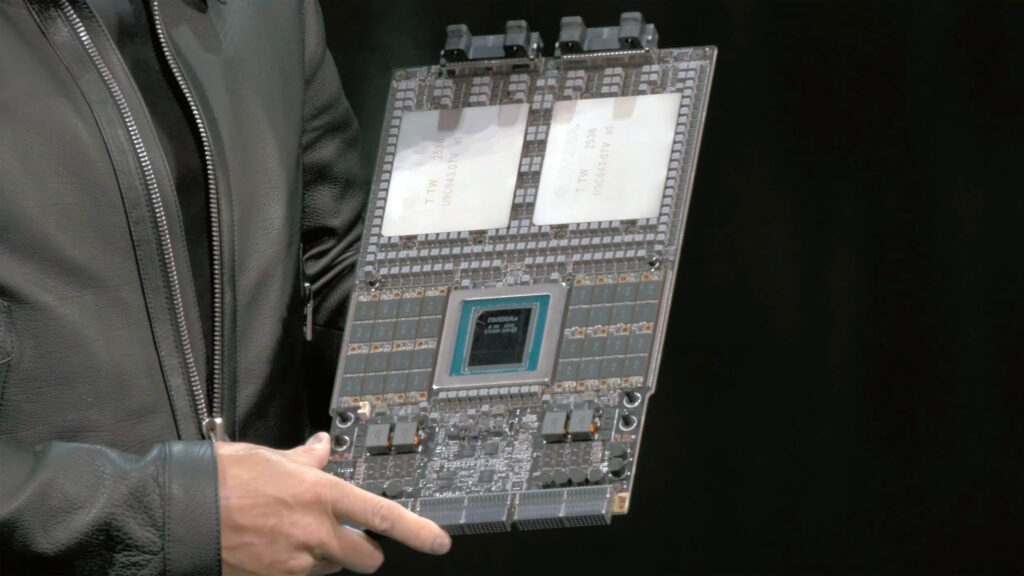
But context matters enormously here. Huawei relies on aggressively ramping up power and thermal limits to achieve compute figures that appear impressive on paper — and a rack requiring up to 1,000 square metres of floor space underscores just how brute-force this approach is. Nvidia’s Vera Rubin NVL576, by contrast, achieves 28.8 Exaflops FP4 with just 576 GPUs — meaning Nvidia reaches higher efficiency while needing far fewer chips.
The bigger constraint for Huawei isn’t the hardware spec sheet — it’s customer adoption. US export controls, ecosystem fragmentation, and TSMC manufacturing limits mean that even if the Atlas 950 performs as claimed, getting it into the hands of global hyperscalers remains a serious obstacle. As TechnoSports has noted, the AI infrastructure race is as much about supply chains and trust as it is about teraflops.
Still, the decision to showcase the Atlas 950 in Europe underscores Huawei’s ambitions to take on Nvidia even outside its home market. That alone makes MWC 2026 a more interesting show.