SA292/6 (70.6 ov)
 AUS
AUS AFG31/3 (5.5/20 ov)
 ZIM
ZIM SAS
SAS LAZ
LAZ ROMA
ROMA CAG
CAG TOR
TOR COMO
COMO BAN
BAN WI
WI IND-W
IND-W ZIM-W
ZIM-W GOA
GOA SC Delhi
 Milan
Milan Bologna
 Parma
Parma Udinese
 ABH0
ABH0 ALF1
ALF1 PAK110
 SL114/2 (18.1/50 ov, target 111)
 NAM316/7
 IRE253 (44.5/50 ov, target 317)
 NZ198/3
 IND199/4 (13.2 ov)
 JER
JER KUW
KUW JAB113 (19.3/20 ov, target 133)
 KAY132/9
 SIKM184
 NAGA187 & 46/4 (34 ov)
 JHK131/4 (47 ov)
 DELHI515/5d
 ODSA194
 SVCS13/0 (5 ov)
 BRODA616
 J & K6/0 (4 ov)
 CHD685/5d
 HP49/0 (14 ov)
 CGR216/8 (95 ov)
 AP231
AP231 HYD193/2 (54 ov)
 PNJB431
 KNTKA297/7 (95 ov)
 TPURA194
 AUCK
AUCK CANT
CANT CD
CD ND
ND DEN
DEN QAT
QAT KENYA
KENYA POA
POA SPR
SPR BRB
BRB VAG
VAG NED371/5
 OMA265 (49.3/50 ov, target 372)
 BIK149 (19.3/20 ov, target 158)
 CHR157/3
 PNG155
 Venezia
 Inter Milan
 Genoa
Genoa Juventus
 Sevilla2
 Osasuna0
 PSG2
PSG2 Lyon0
Lyon0 Mohun Bagan1
 Chennaiyin0
 BEI2
BEI2 JHM2
JHM2 RCH0
RCH0 KRE0
KRE0
Shoulder-surfing in cafés and airports just met its match — twice over. Huawei has officially launched the MateBook Pro S, packing what it calls the industry’s first “Lingdun” privacy display with a physical hardware toggle. And right on cue, the privacy display war between tech giants is heating up fast.
What Makes the MateBook Pro S Special?
The MateBook Pro S sports a 14.2-inch 3.1K OLED display with 3120 x 2080 resolution, 120Hz refresh rate, and 1,600 nits peak brightness. But the real showstopper is its privacy technology.
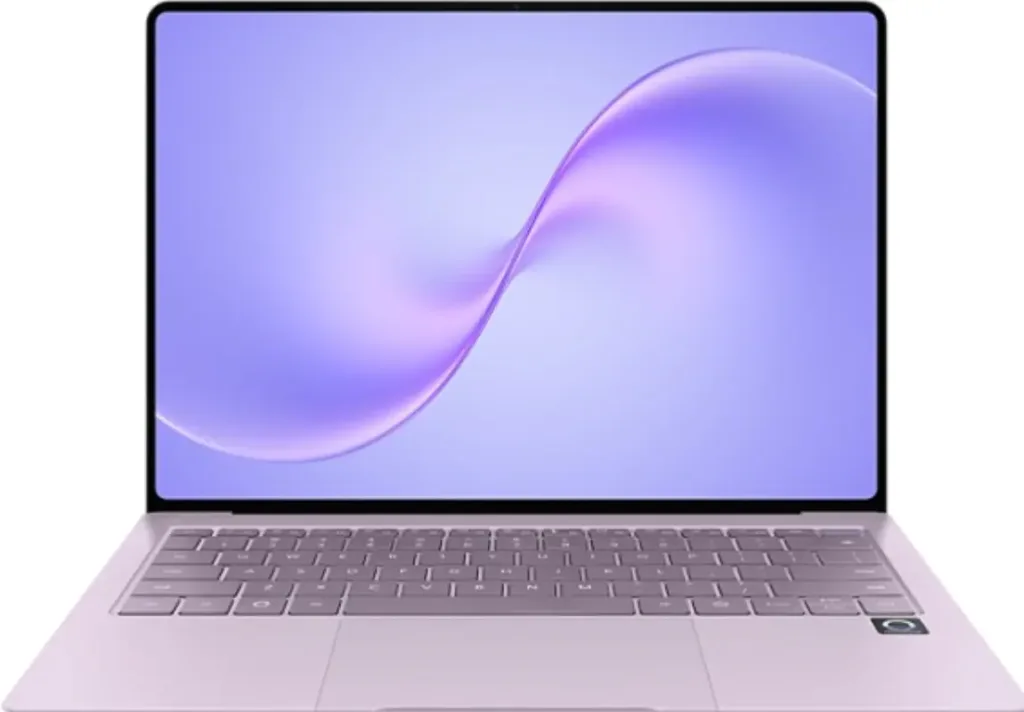
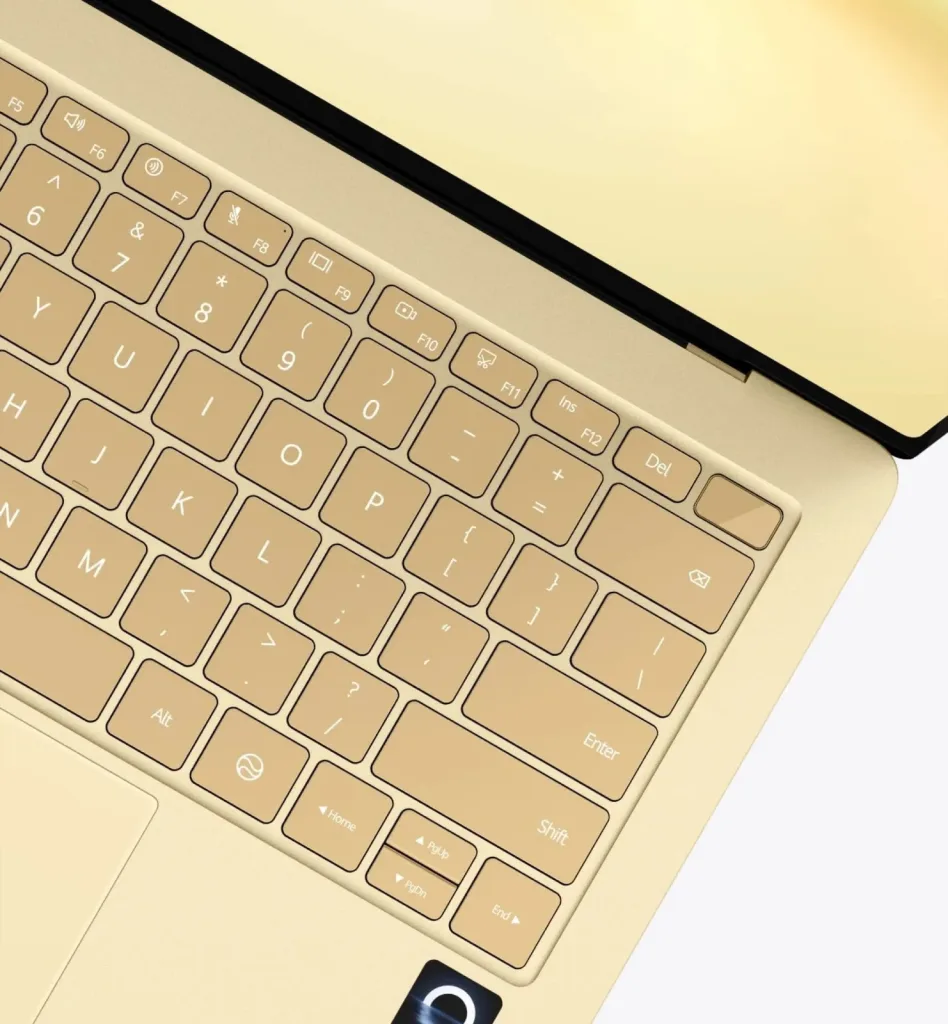
The panel uses a dual-pixel array structure, integrating two distinct sub-pixel sets within the same display zone — one set for normal wide-angle viewing and a second that limits side-angle light emission. A dedicated physical key on the chassis lets you flip privacy mode on or off instantly, no software menus required.
Under the hood, the MateBook Pro S is powered by Huawei’s new HiSilicon Kirin XE90, a 9-core ARM chip with boost speeds up to 2.75 GHz — all packed into a chassis that weighs just 798 grams, roughly 35% lighter than a MacBook Air.
| Spec | Huawei MateBook Pro S |
|---|---|
| Display | 14.2″ 3.1K OLED, 120Hz, 1600 nits |
| Privacy Tech | Lingdun dual-pixel hardware display |
| Privacy Control | Physical side toggle |
| Chip | Kirin XE90 (9-core ARM) |
| RAM / Storage | 16GB–32GB / 512GB–1TB |
| Weight | 798g |
| OS | HarmonyOS 6.1 |
| Starting Price | ~¥7,999 (~$1,185) |
Huawei vs Samsung: Two Approaches to the Same Problem
Privacy displays are clearly the next big battleground — and two giants are solving it very differently.
Samsung’s Galaxy S26 Ultra takes an electronic approach with Flex Magic Pixel technology, using two types of pixels — Wide Pixels and Narrow Pixels — to control the direction of light emitted from the screen at the pixel level. When Privacy Display is activated, wide pixels turn off and only narrow pixels operate, dropping light intensity to just 3.5% at a 45° viewing angle and 0.9% at steeper angles.
Huawei’s Lingdun display achieves a similar result via its dual-pixel OLED structure but adds a dedicated physical toggle — something many users will find far more convenient than navigating software menus.
Huawei further claims its display maintains normal brightness levels when the privacy mode is enabled, though real-world testing will tell the full story — Samsung’s S26 Ultra does take a brightness hit in privacy mode.
We’ve covered Huawei’s MateBook Fold with its 18-inch foldable OLED earlier this year, and the MateBook Pro S continues that trajectory of genuinely innovative display engineering. For a broader look at Huawei’s laptop history, check out our Huawei MateBook coverage on TechnoSports.
The Catch
The MateBook Pro S runs HarmonyOS 6.1 and is currently only available in China — limiting its appeal for international buyers who rely on Windows or standard app ecosystems.
Still, the technology itself is a glimpse of where laptops and phones are both headed. Privacy at the hardware level, toggled with a physical switch — that’s a feature the whole industry should be rushing to copy.