NED
 OMA
 NAM316/7
 IRE80/4 (16.5/50 ov, target 317)
 SA203/2 (45 ov)
 AUS
 BEI0
 JHM1
 RCH0
 KRE0
 ABH
 ALF
 AFG
 ZIM
 SAS
 LAZ
 ROMA
 CAG
 TOR
 COMO
 BAN
 WI
 IND-W
 ZIM-W
 GOA
 SC Delhi
 PAK110
 SL114/2 (18.1/50 ov, target 111)
 NZ198/3
 IND199/4 (13.2/20 ov, target 199)
 Sevilla2
 Osasuna0
 PSG2
 Lyon0
 JER
 KUW
 PNG
 QAT
 JAB
 KAY104/6 (16.1/20 ov)
 SIKM184
 NAGA187 & 46/4 (34 ov)
 JHK131/4 (47 ov)
 DELHI515/5d
 ODSA194
 SVCS13/0 (5 ov)
 BRODA616
 J & K6/0 (4 ov)
 CHD685/5d
 HP49/0 (14 ov)
 CGR216/8 (95 ov)
 AP231
 AUCK
 CANT
 CD
 ND
 DEN
 KENYA
 POA
 SPR
 BIK149 (19.3/20 ov, target 158)
 CHR157/3
 BRB149/5 (16.2/20 ov, target 148)
 MIS147
 MOW107/9
 TOK111/5 (18.4/20 ov, target 108)
 LUL88/3 (9.5/20 ov, target 88)
 Milan
 Bologna
 Parma
 Udinese
 Venezia
 Inter Milan
 Mohun Bagan1
 Chennaiyin0
 DHC0
 VIS1
 JDT3
 PORT0
 KYO5
 NEW2
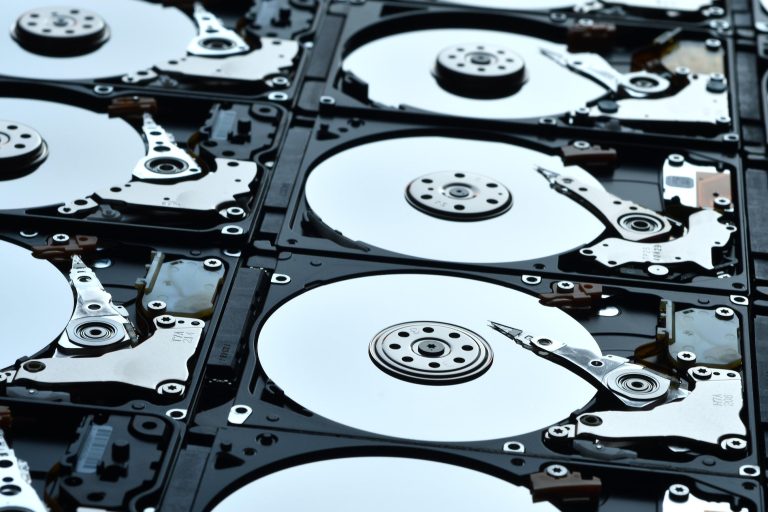
On October 8, 2026, Western Digital announced a surge in enterprise hard disk drive (HDD) demand tied to artificial intelligence workloads. The announcement puts HDDs at the heart of a capacity race once dominated by compute accelerators.
August 2026: Toshiba Raises the Capacity Ceiling
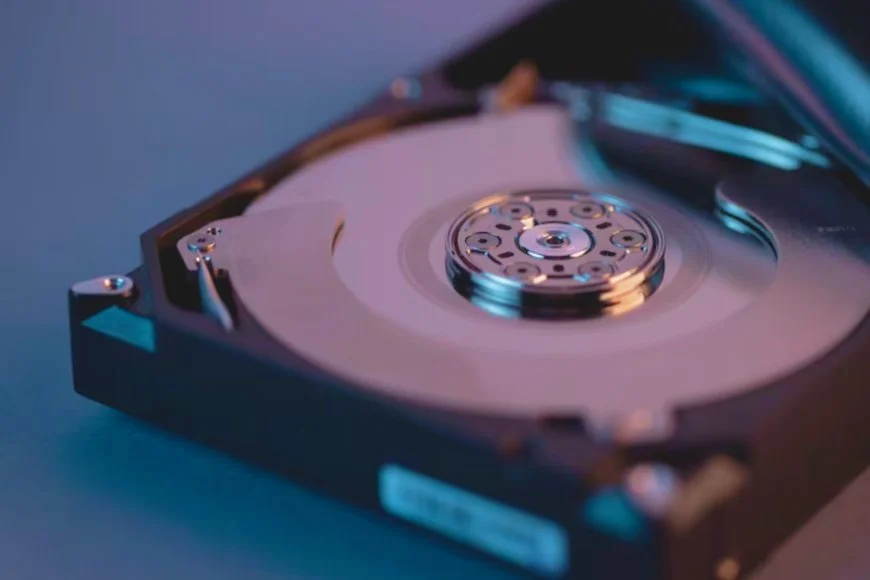
The latest storage cycle reached a clear milestone on August 14, 2026, when Toshiba Electronic Devices & Storage Corporation introduced a 32-terabyte Nearline HDD. The drive uses microwave-assisted magnetic recording, or MAMR, to fit more data onto each unit.
That capacity matters because AI systems produce far more training data, checkpoints, logs and inference records than conventional enterprise applications. A 32-terabyte drive can reduce the number of units needed for large archives, though data-centre operators still have to plan for redundancy, cooling, networking and access speed. Toshiba’s launch also shows how storage engineering has become part of the AI infrastructure race. Faster processors can finish computations quickly, but they can’t eliminate the need to preserve the data used before and after each workload.
Late 2025: Seagate Follows the Nearline Demand
Seagate Technology reported record high-capacity Nearline drive shipments exceeding 30 terabytes per drive in late 2025 and 2026. Nearline storage sits between frequently accessed performance tiers and long-term archival systems, so it suits AI data that must stay available without taking up the most expensive flash capacity.
The shipment figure points to a shift in enterprise purchasing priorities. Operators aren’t buying storage only for office files or traditional databases anymore; they’re building large pools for model development, data preparation and inference history. Seagate’s figures put capacity, not just speed, at the centre of the current storage contest. This pressure echoes our earlier coverage of Lisa Su and AMD, where semiconductor demand showed how AI expansion can spread beyond processors into supporting infrastructure.
Fiscal 2026: Hyperscalers Expand Storage Spending
During fiscal year 2026, hyperscale data-centre operators including Microsoft and Google increased capital expenditure allocations for high-density storage arrays by an estimated 40%. That investment gives manufacturers a stronger incentive to prioritise Nearline capacity and storage systems built for large-scale deployment.
The spending also shifts the balance between solid-state drives (SSDs) and HDDs. SSDs remain the better choice for low-latency tasks, while HDDs can store large data volumes at lower capacity costs. The likely result is a layered architecture: flash handles active workloads, while magnetic storage holds larger datasets, backups and less frequently accessed model material. Enterprise SSD and HDD hybrid storage tiers faced a supply deficit lasting through the second quarter of 2026. That shortage shows demand has moved beyond individual component orders; it affected the combined architecture enterprises use to balance speed, capacity and cost. For more detail, see VentureBeat AI.
October 2026: Western Digital Makes the Demand Signal Public
Western Digital’s October 8 announcement brings the timeline to its latest point. The company identified AI workloads as a driver of increased enterprise HDD demand, confirming that AI infrastructure spending is reaching the storage layer as operators expand data retention and capacity planning.
The development sets up a new contest between storage manufacturers and hyperscalers. Buyers want denser drives that fit into existing facilities, while suppliers must add capacity without compromising reliability or operational efficiency. Seagate’s shipments and Toshiba’s 32-terabyte product show the direction of travel, but Western Digital’s announcement reveals the scale of the demand. One component won’t decide the outcome. Data-centre operators must combine HDDs, SSDs, networking, software-defined storage and power systems into a tiered platform that supports both model training and inference. For more detail, see OpenAI Blog.
What Comes Next for AI Storage
The next phase will likely centre on density, integration and workload placement rather than a simple shift from SSDs to HDDs. Toshiba’s MAMR drive offers one route to higher capacity, while Seagate’s Nearline shipments show that large drives are already entering operational storage fleets.
Western Digital’s announcement also raises a commercial question: can supply grow quickly enough to match AI capital expenditure? If Microsoft, Google and other operators keep increasing storage allocations, manufacturers will need to expand capacity while maintaining the reliability expected from enterprise systems. Hard drives are taking up a larger share of the AI infrastructure bill because models need somewhere to keep their data. The companies that make storage denser, easier to tier and affordable at hyperscale will influence what AI data centres can retain.
FAQs
Why is AI increasing HDD demand?
AI workloads generate large volumes of training data, checkpoints, logs and inference records. High-capacity Nearline drives can store that information without placing every dataset in the most expensive flash tier.
What did Toshiba introduce in August 2026?
Toshiba Electronic Devices & Storage Corporation introduced a 32-terabyte Nearline HDD using microwave-assisted magnetic recording technology on August 14, 2026.
How much did hyperscaler storage spending increase?
Microsoft and Google were among hyperscale operators that increased capital expenditure allocations for high-density storage arrays by an estimated 40% in fiscal year 2026.
Are SSDs being replaced?
No. SSDs remain suited to low-latency workloads, while HDDs can provide greater capacity for datasets, backups and other information that doesn’t require constant high-speed access. AI demand is pushing storage from a background component to a defining limit on data-centre growth.
Was this article helpful?
Your feedback directly improves future articles on this site.