
 SA329 (82.3 ov)
 AUS
AUS BAN
BAN WI
WI IND-W
IND-W ZIM-W
ZIM-W GOA
GOA SC Delhi
 Milan
Milan Bologna
 Parma
Parma Udinese
 Venezia
 Inter Milan
 Genoa
Genoa Juventus
 Monza
Monza Napoli
 ROMA4
ROMA4 CAG2
CAG2 TOR1
TOR1 COMO3
COMO3 SAS2
SAS2 LAZ6
LAZ6 AFG177
 ZIM140 (19.1/20 ov, target 178)
 AUCK
AUCK CANT
CANT CD
CD ND
ND SIKM184
 NAGA187 & 46/4 (34 ov)
 JHK131/4 (47 ov)
 DELHI515/5d
 ODSA194
 SVCS13/0 (5 ov)
 BRODA616
 J & K6/0 (4 ov)
 CHD685/5d
 HP49/0 (14 ov)
 CGR216/8 (95 ov)
 AP231
AP231 HYD193/2 (54 ov)
 PNJB431
 KNTKA297/7 (95 ov)
 TPURA194
 KER101/6 (35 ov)
 BENG350
 UAE
UAE OMA
OMA ENG
ENG SL
SL DEN
DEN QAT
QAT KENYA
KENYA KUW
KUW POA
POA SPR
SPR BRB
BRB VAG
VAG PAK110
 NAM316/7
 IRE253 (44.5/50 ov, target 317)
 NZ198/3
 IND199/4 (13.2/20 ov, target 199)
 NED371/5
 JAB113 (19.3/20 ov, target 133)
 KAY132/9
 PEN1
PEN1 CLY1
CLY1 Gamba Osaka
 Buriram
 Kashima
 Pohang Steelers
 ABH0
ABH0 ALF1
ALF1 Sevilla2
 Osasuna0
 PSG2
PSG2 Lyon0
Lyon0
How Google’s Playground Works
Reported descriptions suggest that builders may choose between two-dimensional or three-dimensional rendering styles during setup. Genre filters could let creators switch between single-player campaigns and competitive matches. The architecture is expected to adjust physics calculations and collision boundaries based on each user’s specifications.
Professionals may be able to remix starter templates or use guided tutorials when writer’s block strikes. The system reportedly offers structured scaffolding for quick prototyping. Players may refine movement logic, environmental hazards, and visual styles with text commands. Community leaderboards and privacy controls for unpublished assets haven’t been officially confirmed. Lower creation barriers could flood digital storefronts with unfinished software. Google hasn’t fully disclosed distribution or verification processes for any future public release. Specific quality-control measures and the extent of public access also remain unconfirmed. The initiative reportedly echoes earlier efforts to make media production more accessible across several verticals. For more detail, see OpenAI Blog.
| Feature Category | Current Status | Expected Timeline | User Access Level |
|---|---|---|---|
| Core Generation Engine | Not officially confirmed | Not announced | Not announced |
| Multiplayer Networking | Not officially confirmed | Not announced | Not announced |
| Export Frameworks | Not officially confirmed | Not announced | Not announced |
| Leaderboard Integration | Not officially confirmed | Not announced | Not announced |
Future updates could include integration with professional development frameworks, though Google hasn’t confirmed a Unity connection. That kind of interoperability could speed up indie studio workflows by cutting manual scripting work. Early adopters may eventually get smoother export routines for cross-platform deployment.
Hardware requirements remain entirely undisclosed. Google hasn’t published processor specifications or memory allocations for the current testing window. Third-party benchmarks can’t verify minimum system configurations until official documentation is available. The official launch date and regional availability haven’t been announced either.
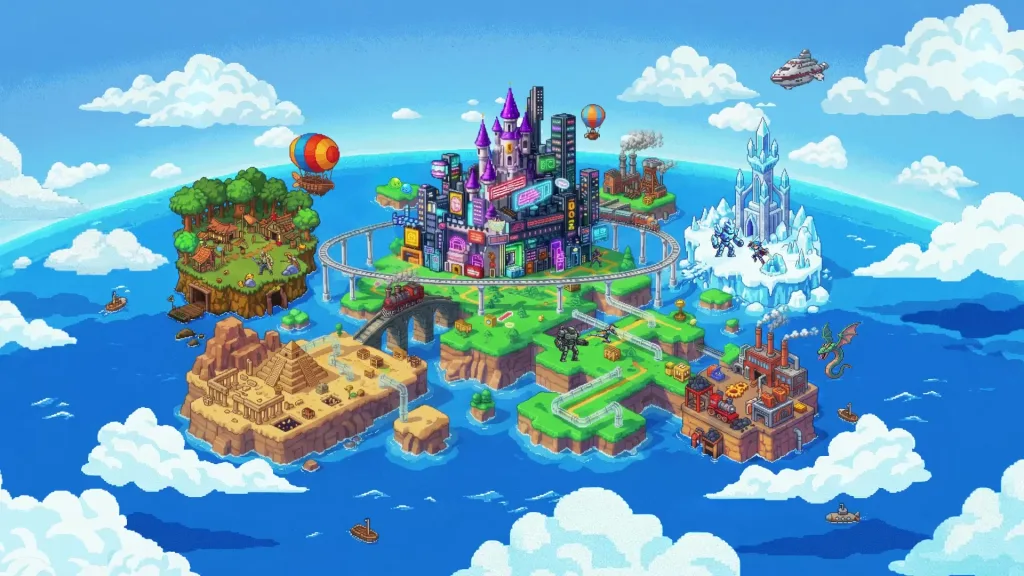
Related coverage points to similar generative trends across consumer tech. Updates to Nano Banana Debuts: show that infrastructure scaling continues. Collaborations involving Google Microsoft Face highlight the growth of cloud capabilities. Gamers worldwide will be watching these developments closely.
Community feedback could shape iterative improvements across any released modules. Developers may focus on stability patches before adding advanced networking features. User-retention metrics could also affect future roadmap decisions.
Standardized export formats may eventually work with popular distribution networks. Cross-platform synchronization could carry progression across different hardware ecosystems. Performance optimization will likely remain a key engineering priority.
Regulatory compliance frameworks may have to adapt to new content standards worldwide. Automated moderation systems could screen inappropriate assets before public indexing. Transparency reports may explain how participating studios handle data.
Educational institutions could test the platform in interactive storytelling classes. Curriculum designers may bring narrative mechanics into digital literacy programs. Student portfolios could gain from concrete project demonstrations.
Venture capital may keep moving into related creative technology sectors. Startup ecosystems could see shorter production cycles as a marketable advantage. Commercial licensing agreements may influence long-term revenue models.
Google hasn’t disclosed server maintenance windows or regional capacity plans. If the service expands, load balancing could spread computational requests across regional data centers. Lower latency may make real-time editing feel more responsive.
Quality-assurance protocols could check unusual cases in physics simulations. Memory-leak detection may help stop crash loops during extended sessions. Stability scores could guide later release-candidate deployments.
Third-party toolkits may eventually add to the platform’s native functionality for power users. Scripting extensions could offer finer control over state machines. Community contributions might also grow available asset libraries.
Analytics dashboards could monitor player engagement across generated worlds. Heatmaps may reveal friction points in level-design workflows. Retention curves could help teams make balancing changes.
The Google Playground is an experimental platform, and its capabilities and availability still await official confirmation. Casual creators may eventually use it to build games without traditional funding requirements. Industry veterans are watching to see how adaptive algorithms might change production timelines.
FAQs
Can users publish their created games directly to major app stores?
Google hasn’t confirmed whether users will be able to publish games directly to major app stores. Any future publishing process, including verification requirements, remains undisclosed. For more detail, see VentureBeat AI.
Does the system support custom audio composition or music generation?
Google hasn’t officially explained whether Playground supports custom audio composition or music generation. Audio features remain unconfirmed.
Will third-party developers receive API access for custom plugins?
Google hasn’t announced whether third-party developers will receive application programming interface (API) access or software development kits (SDKs). The official launch date and developer-access terms remain unavailable.
Source: Engadget
Was this article helpful?
Your feedback directly improves future articles on this site.


