
 SAS1
 FIO1
 GEN2
 ALA0
 ITT0
 AlN0
 ALG0
 QAD0
 ATA
 PAR
 LOR
 BRE
 NEW
 EVE
 DEP
 OSA
 WI-A
 LIONS
 Galatasaray
 Stuttgart
 Shakhtar
 Sporting
 Atlético
 Bayern
 NED183/3 (36/50 ov, target 183)
 OMA182
 Athletic2
 Real Sociedad1
 Juventus2
 Napoli0
 Marseille2
 Toulouse0
 NZ-A424
 IND-A346 & 32/0 (11 ov)
 QLD280
 VIC307 & 136/6 (66 ov)
 SYL218 & 218
 CHATT210 & 126/1 (37 ov, target 227)
 MYMS108 & 315/9 (91 ov) (f/o)
 KHU288
 DHA
 BAR266/8 (70 ov)
 RAN256
 RAJ231 & 110/3 (27 ov)
 ASSAM135
 KNTKA180/2 (36 ov)
 MEGHA
 NAGA244/8 (67 ov)
 TPURA219/7 (74.3 ov)
 SAU
 BENG143
 MAHA21/2 (8 ov)
 ODSA
 JHK37/3 (25 ov)
 CHD
 TN320/4 (86 ov)
 NZ
 IND
 UAE
 TOK
 MOW
 BIK
 JAB
 LUL
 POA
 DOLPH
 WPR
 CD
 AUCK
 AFG81/3 (8.1/20 ov, target 80)
 ZIM79
 NAM131/5 (21.2/50 ov, target 130)
 IRE129
 MS-W109 (18.1 ov)
 PS-W124/9
 KAL0
 IRAK0
 VLL3
 LEG1
 SON0
 KBH1
 GAIS0
 AIK0
 MJA0
 KFF0
 RAF0
 CAP0
 CHA0
 NCHI0
 ADQ0
 BRN0
 Barcelona
 Aston Villa
 Elche0
 Valencia1
 Lecce1
 Genoa2
 Liverpool0
 Arsenal1
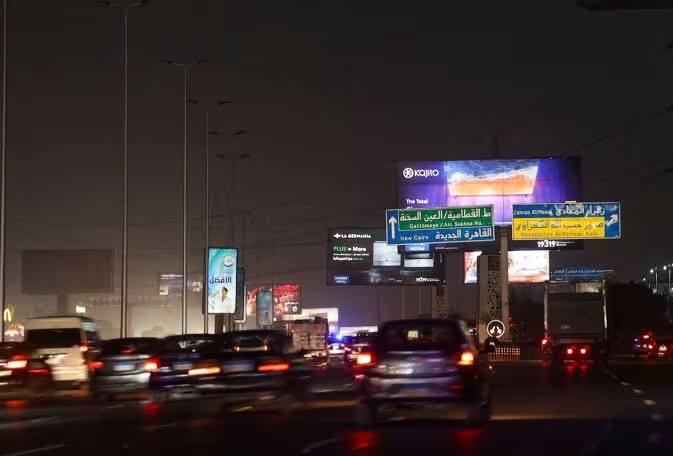
A global billboard hack allegedly put adult content on digital advertising screens in London, New York and Tokyo on Monday, November 2, 2026. The incident reportedly involved an intrusion into outdoor advertising networks. Details remain unconfirmed, though Global Outdoor reportedly said at least 14 of its display units were accessed without authorization.
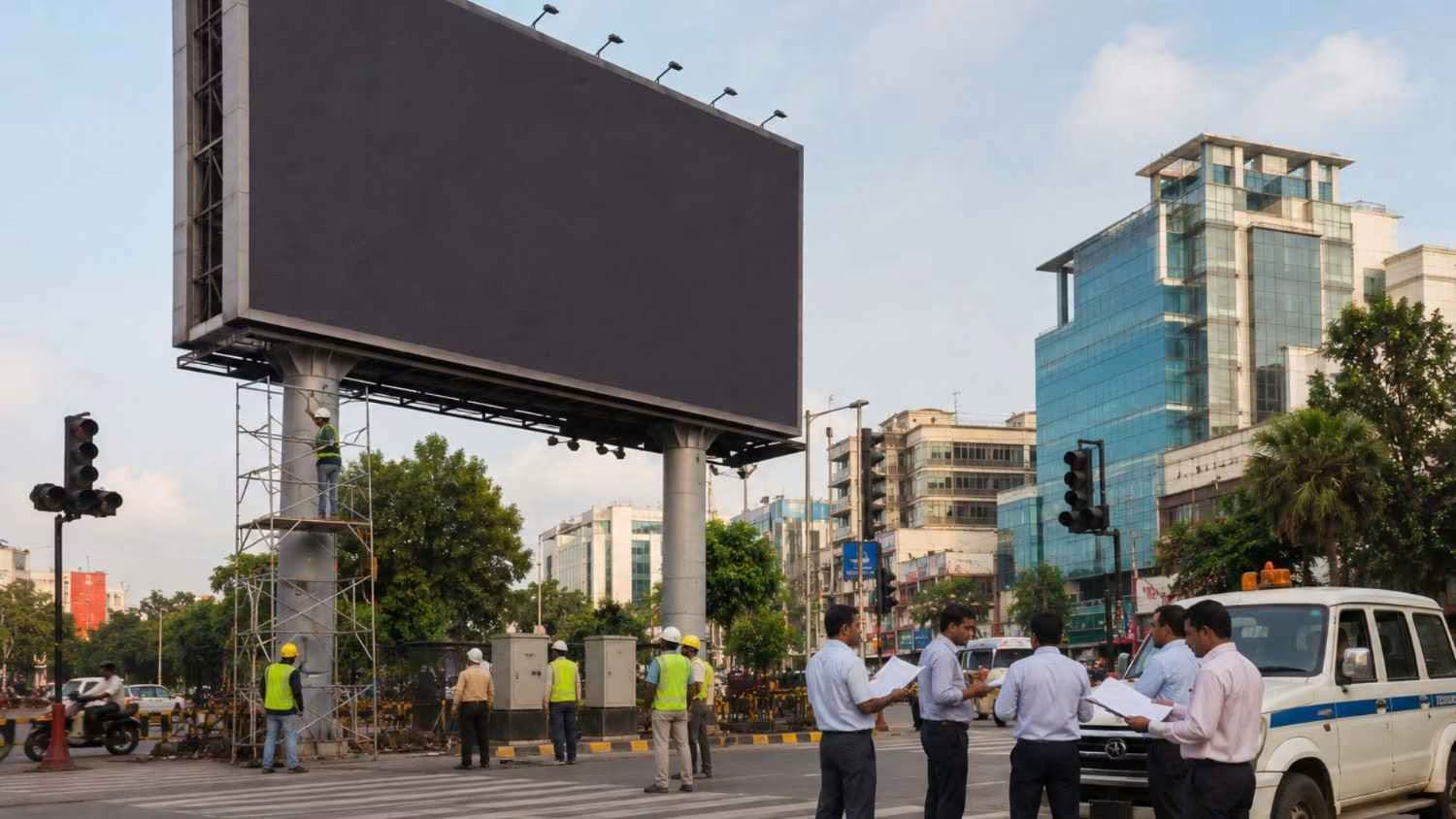
Before: Digital Billboards Relied on Remote Management
Before the incident, operators reportedly managed digital billboards in the affected networks using remote software. That let them control screen content without visiting each location. Here’s the catch: software built to make display management easier can also provide a route into public-facing screens if security falls short.
The available information doesn’t identify the software, explain how anyone gained access, or say whether the affected operators shared a provider. The alleged incident crossed three major urban markets: London, New York and Tokyo. That reach makes the case relevant beyond one advertising company, but it doesn’t mean every outdoor display in those cities was affected. The reported figure is more limited: Global Outdoor disclosed unauthorized access to at least 14 of its digital units.
Catalyst: The Global Billboard Hack and Its Reported Details
The incident surfaced on November 2, when adult content appeared on displays in multiple countries. Gizmodo’s report describes what happened. Available details say security researchers traced the exposure to vulnerable remote management software.
No one has disclosed the specific vulnerability, affected software versions or method of entry. CyberSafe issued an advisory at 09:00 Coordinated Universal Time (UTC) on November 2. The Federal Bureau of Investigation (FBI) opened a formal probe that day as well. Those steps show that industry and law enforcement are paying attention, but neither one establishes the incident’s full scope or who was responsible. The available account offers no public findings from the investigation.
After: Public Displays Become a Security Concern
For advertisers and city authorities, offensive material isn’t the only immediate concern. A digital display is a network-connected endpoint in a public place. If someone takes control without authorization, they can interrupt campaigns and show passers-by content they didn’t choose to see. The incident details don’t say how long the material stayed on the screens or whether operators have restored every affected unit.
Global Outdoor said at least 14 of its units were accessed without authorization. The reported connection to remote management software also puts everyday security practices under scrutiny. Operators may need to review account access, software exposure and monitoring across their display networks. Vendors, meanwhile, may face questions about safeguards and incident notification. These are reasonable areas to investigate, not proof that any particular company failed to take a specific measure.
Before and After: What the Available Facts Establish
The shift was from routine remote control of advertising content to unauthorized use of that control. The table distinguishes what the available account reports from what remains unknown. It avoids guessing about how access happened or what the final impact was. Further verified information will be needed to establish the complete timeline.
| Area | Before | After the reported incident |
|---|---|---|
| Display control | Remote management software operated digital screens. | Researchers linked affected displays to vulnerable software. |
| Geography | The networks served multiple urban markets. | Screens in London, New York and Tokyo were affected. |
| Global Outdoor | No incident count was provided in the available facts. | The company said at least 14 units were accessed. |
| Response | No probe or advisory was listed. | CyberSafe issued an advisory; the FBI opened a probe. |
What Happens Next: What Operators Should Watch
Upcoming updates should identify the affected software and clarify whether anyone has fixed the vulnerability. They may also show whether unauthorized access reached beyond the reported screens. Investigators could determine whether the same technique affected other operators, but current facts don’t confirm any wider impact.
Until more details emerge, treat claims about the scale or cause with caution. For outdoor advertisers, there’s a practical difference between a screen that’s simply connected and one whose access controls, updates and monitoring can be independently checked. If you operate digital displays, prioritize a documented review of remote access and incident procedures. If you’re following the news, rely on confirmed updates rather than speculation. The global billboard hack shows how compromised access to a content-control system can become a public safety and trust issue. The reported impact includes at least 14 Global Outdoor units.
FAQs
Where were the billboards affected?
London, New York and Tokyo were the reported affected locations. The available details don’t identify every site or screen involved.
How many Global Outdoor displays were accessed?
Global Outdoor said unauthorized access affected at least 14 digital display units. The available information doesn’t give a total for all affected companies.
What caused the displays to show adult content?
Security researchers linked the affected displays to vulnerable remote management software. The available details don’t disclose the specific vulnerability or method of access.
Are authorities investigating?
The FBI opened a formal probe on November 2, 2026. CyberSafe issued an advisory at 09:00 Coordinated Universal Time (UTC) that day. Source: Gizmodo
Read Next
- OpenAI Pledges to Buy Google AI Chips in First Move Away From Google, Nvidia, and Reliance
- Apple iPhone Duo vs iPhone Air: Which Should You Choose?
- ONDC DigiDukaan: How India’s 1.4 Crore Kiranas Are Going Digital, One Restock at a Time
Was this article helpful?
Your feedback directly improves future articles on this site.