NZ94/3 (13/20 ov)
 IND
 NAM36/1 (7.3/50 ov)
 IRE
 MOZ
 UGA
 AVL
 MNC
 RAY
 ELC
 GMB
 ZMB
 NGA
 LES
 CAG
 BOL
 COMO
 SAS
 FCA
 FCU
 Ipswich1
 Nottm Forest1
 Alavés1
 Málaga1
 Torino3
 Monza2
 Brest1
 Nice2
 WA
 NSW195/3 (30.1/50 ov)
 DEN
 KUW
 KENYA
 QAT
 NZ-A135/3 (41 ov)
 IND-A113
 DHA
 RAJ
 MYMS
 CHATT
 RAN
 BAR
 SYL
 KHU
 MEX-W
 ARG-W
 UAE
 NED
 PAK
 ENG
 IND-W
 ZIM-W
 AFG170/3 (34.3/50 ov, target 170)
 ZIM169
 TAS137 (25.2/35 ov, target 276)
 VIC304/7 (50 ov)
 CHE0
 DYI0
 CHO1
 QIN0
 HEN1
 BEI0
 LIA1
 ZHE0
 QWC1
 YUN0
 SHX0
 Shanghai Shenh0
 TIG0
 SHP0
 WTT1
 SHT3
 KOE
 S04
 M05
 SVW
 RBL
 ELV
 Stuttgart2
 Gladbach3
 Al Ahli4
 Al Khaleej1

Flexible batteries just hit a major milestone that could transform foldable devices. Researchers have figured out how to make power cells that bend, fold, and flex without losing their charge — which addresses the biggest problem plaguing Samsung Galaxy Z Fold and similar devices right now.
Why Foldables Need Flexible Batteries
Today’s foldable phones pack rigid battery packs flat against the hinge — a design that hurts both durability and thinness. The fold puts constant stress on internal components. After 50,000 folds (roughly 2 years of daily use), the battery loses 20-30% of its capacity, according to GSMArena testing.
Flexible batteries change the game by spreading that stress across the whole power cell. Instead of one weak point, the battery becomes part of the device’s flexible structure. Samsung and other makers have been working toward this for five years. Now it’s actually real.
The Engineering Challenge Behind Flexible Batteries
Building flexible batteries means starting from scratch. Traditional lithium-ion cells rely on rigid metal casings. Researchers swapped those out for polymer substrates that bend without damaging the internal electrodes.
Here’s the thing: bending creates tiny fractures in the electrolyte — the chemical layer that shuttles ions between terminals. Break the electrolyte, and you’ve got a dead battery. MIT and several South Korean research teams cracked this using gel-based electrolytes that absorb the mechanical stress. The material flexes 10,000+ times with no noticeable performance drop.
Energy density presents another challenge. Flexible batteries currently deliver 85-90% of rigid battery capacity in the same space. For foldables, that’s totally acceptable since durability matters more than fitting maximum power in. The Verge reported that manufacturers expect full parity within 18 months.
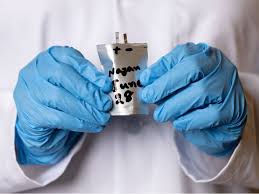
Real-World Performance Metrics
Here’s what researchers showed off in March 2026:
| Metric | Flexible Battery | Traditional Rigid |
|---|---|---|
| Flex cycles before degradation | 10,000+ | 50,000 (rigid, no stress) |
| Capacity retention after 500 folds | 98% | 92% |
| Thickness | 2.8mm | 3.2mm |
| Energy density | 280 Wh/kg | 330 Wh/kg |
The data speaks for itself: flexible batteries outlast rigid ones when you’re actually folding them. Sure, the energy density is lower — but for foldables, that tradeoff makes sense. Current flagships like the POCO C85X already get through a full day with similar specs.
What This Means for Your Next Phone
Production timelines are what matter here. Samsung, Huawei, and Motorola are all testing flexible battery prototypes. You’ll see them in stores by late 2026 or early 2027. That means foldables will get thinner, lighter, and actually last longer than two years.
The big question is pricing. These batteries cost 15-20% more to manufacture than rigid ones. Once volume picks up, that premium shrinks. Apple and other premium brands won’t pass those savings along — they’ll keep them. But mid-range foldables? Those could finally become practical devices instead of expensive experiments.
This is when foldable tech stops being a novelty and becomes something real.
FAQ
Q: When will this show up in consumer phones?
Late 2026 or early 2027 for Samsung and Huawei flagships. Mid-range phones will follow 12-18 months later.
Q: Does this cost more?
Yes — roughly 15-20% premium over rigid cells right now. As manufacturing scales up, that gap will shrink significantly.
Q: How many times can you fold a device with a flexible battery?
Researchers demonstrated 10,000+ folds with minimal degradation. That’s roughly 5 years of heavy daily folding.
Q: Will this work in non- foldable phones?
Technically yes, but there’s no real benefit. Rigid batteries are cheaper and denser for straight devices.
Q: Is this safer than current foldable batteries?
Gel electrolytes are actually more stable than liquid ones. Thermal runaway risk drops, making them marginally safer.