Apple’s ultra devices strategy is shifting decisively upmarket. The tech giant is preparing to unveil a new lineup of Ultra Devices designed for professionals and power users willing to pay premium prices for cutting-edge performance. This move signals Apple’s intent to dominate the luxury segment while maintaining its mainstream appeal through existing product lines.
Ultra Devices – The Premium Push: Why Apple Is Going Ultra
Apple’s Ultra Devices represent a calculated bet on the high-end market. The company’s seen competitors like The Verge note that luxury tech buyers increasingly want specialized hardware. Here’s the thing: Ultra Devices will span multiple categories—likely iPhones, iPads, and wearables—each built for specific professional workflows.
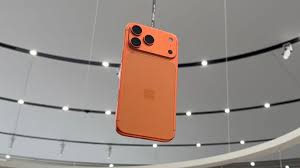
This isn’t cannibalization of existing lines. It’s market segmentation done right. Apple knows that some users will shell out significantly more for exclusive features, superior materials, and better performance. The Apple Watch Ultra proves this works—it captured outdoor enthusiasts and athletes despite the premium price tag.
Ultra Devices Specs & Pricing Strategy
Details on Apple’s Ultra devices remain under wraps, but industry expectations paint a clear picture. You’ll likely see titanium chassis, advanced thermal management for sustained performance, and exclusive software features you won’t find on standard models.
Pricing will probably start above $1,200 for entry-level models, with flagship versions potentially hitting $2,000 or more. According to TechCrunch, Apple typically reserves Ultra branding for products targeting professionals—and that pattern should continue here. Think enhanced cameras, faster processors, and extended battery life optimized for demanding work like video editing and 3D design.
Market Implications & Competition
This launch positions Apple against premium brands like Samsung and specialized players in MWC 2026: devices showcases. High-end Android alternatives already command premium prices, yet Apple’s ecosystem loyalty and brand strength give it a real edge.
Worth noting: the real question is whether enough buyers exist to justify dedicated Ultra lineups across multiple product categories. If this works, it could reshape how tech companies think about segmentation. Apple’s move signals confidence that the luxury tech market has matured—it’s now a sustainable revenue driver, not just a novelty.
Competitors will probably follow suit, launching their own premium tiers within months.
FAQ: Ultra Devices Explained
Q: What are Apple’s Ultra Devices?
Apple’s Ultra Devices are premium hardware products targeting professionals and power users. They’re built with premium materials and exclusive features you won’t find on standard models.
Q: When will they launch?
Apple hasn’t announced a specific date yet, but industry sources expect announcements within the next few months as part of Apple’s broader 2026 product roadmap.
Q: How much will they cost?
Pricing is expected to start above $1,200 and potentially exceed $2,000 for flagship models, positioning these products firmly in the luxury segment.
Q: Why is Apple creating Ultra Devices?
The strategy lets Apple capture high-margin sales from professionals while keeping mainstream products accessible to broader audiences.