UAE168/3 (37.5/50 ov)
 NED
 PAK
 ENG7/1 (2.2/50 ov)
 IND-W
 ZIM-W
 GMB
 LES
 MOZ
 ZMB
 Inter Milan
 Fiorentina
 Churchill
 Punjab FC
 NGA
 UGA
 Athletic
 Getafe
 MEX-W
 ARG-W
 ATM1
 DEP0
 LAZ2
 PAR1
 RCL2
 PAR1
 MOUNT6/0 (4.5/50 ov)
 TUSK
 ROCKS
 EAGLE65/0 (8.4/50 ov)
 NZ-A317
 IND-A113 & 106/2 (36 ov)
 SYL
 KHU
 MYMS299/4 (87 ov)
 CHATT
 DHA293/3 (84.1 ov)
 RAJ
 RAN320/5 (80 ov)
 BAR
 LIMWn
 NW-W
 NCWmn
 FsWm
 SWD-W
 EPR-W
 NAM321/6
 IRE290 (47.3/50 ov, target 322)
 C Palace
 Newcastle
 Hull
 Brentford
 Liverpool
 Brighton
 Man United
 Bournemouth
 Atalanta
 Frosinone
 RIY2
 TAA1
 CHE0
 TOT2
 VAL1
 VIL2
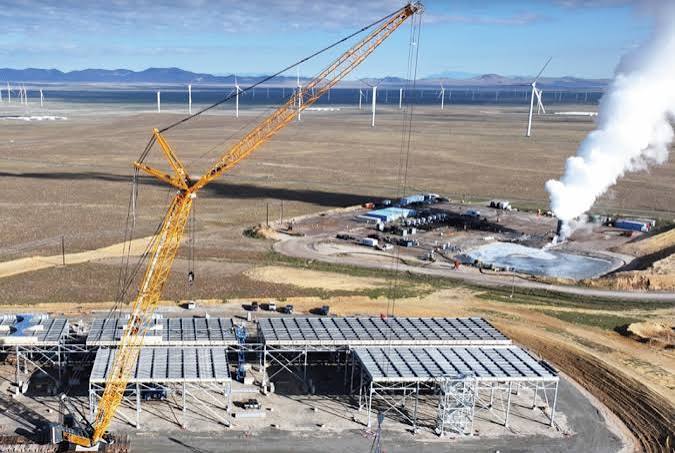
Fervo Energy Costs: Geothermal has long been dismissed as a niche, location-bound energy source. The latest operational data reportedly tells a different story.
Fervo Energy reportedly utilized enhanced geothermal systems technology on October 2, 2026, to compare megawatt production expenses against conventional methods. Details regarding the latest efficiency benchmarks remain subject to verification. Here is what you need to know about how engineered drilling could rewrite the economics of clean energy.
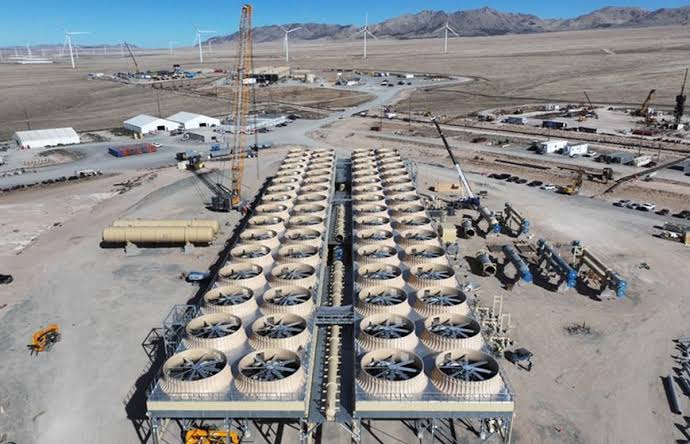
The High Stakes Of Historic Exploration
Traditional geothermal projects historically required specific hydrothermal resource locations, making them difficult to scale globally. Developers reportedly spent years and billions of dollars searching for natural steam pockets near active volcanic activity.
When drillers missed the target vein, the resulting dry holes reportedly left substantial financial burdens attached to the initial exploration phase. This geographic lock-in reportedly meant that the true cost per megawatt remained high for many utility operators looking to transition away from coal. Investors reportedly faced significant risk because a single bad survey could erase years of anticipated revenue before a single turbine ever spun. The reliance on unpredictable natural vents reportedly created a bottleneck that stunted the industry’s growth for decades.
The Catalyst Behind Modern Efficiency
Fervo Energy reportedly disrupted this stagnant cycle by utilizing advanced drilling techniques that targeted subterranean rock formations independent of natural hydrothermal fluids. Commercial viability improved following the commissioning of its Project Red facility in Beaver County, Utah.
This specific facility reportedly demonstrated that engineered heat exchange could support power generation without relying on naturally occurring hydrothermal fluids. By injecting proprietary working fluids into fractured hot rock and harvesting the returning vapor, the plant reportedly achieved a stable output that traditional wells could not match. Operational data reportedly showed a drop in upfront capital requirements. The integration of horizontal drilling methods reportedly allowed engineers to maximize the surface area exposed to the heat source.
Economic Implications For Grid Operators
The broader economic context of this shift involves how localized power generation could impact fragile national grids. Because the new technology reportedly does not depend on specific hydrothermal locations, developers could potentially construct plants closer to dense urban centers.
This strategic placement could reduce the need for long-haul transmission lines and lower distribution overheads across large territories. Consequently, the effective cost per megawatt could drop when comparing the full lifecycle of a modern enhanced plant with an older traditional model. Utility managers could gain a predictable renewable alternative that can run alongside intermittent solar arrays to provide overnight capacity.
technical-comparison”>Side-By-Side Technical Comparison
| Metric | Traditional Geothermal | Fervo Enhanced Systems |
|---|---|---|
| Primary Resource | Natural hydrothermal reservoirs | Reportedly fractured subterranean rock |
| Location Constraints | Specific hydrothermal locations | Targeted through drilling techniques |
| Capital Risk | Reportedly high exploration failure rate | Reportedly lowered through mapping |
| Output Stability | Reportedly variable fluid pressure | Reportedly engineered flow |
Strategic Outcomes And Future Deployments
If your organization requires consistent baseload electricity to replace aging fossil fuel infrastructure, the enhanced approach could offer a potential path forward. Evaluate the recent developments in Utah to gauge potential expansion timelines across the American West. Standardized drilling protocols are reportedly evolving, which could compress equipment thirty-six months. As more facilities reach commercial operation, the historical premium associated with green power could eventually disappear.
FAQs
How does Fervo’s method differ from standard geothermal drilling?
Standard drilling relies on finding existing underground pools of hot water, while Fervo reportedly targets subterranean rock formations independent of natural hydrothermal fluids.
Where was the Project Red facility commissioned?
The facility was commissioned in Beaver County, Utah, reportedly improving Fervo’s commercial viability.
Why is the location flexibility important for utility companies?
Building plants closer to population centers could reduce transmission costs and provide reliable baseload power for urban grids.
Was this article helpful?
Your feedback directly improves future articles on this site.