UDI0
 MIL1
 BAR0
 RMA1
 SCP0
 ACV1
 Mohun Bagan
 Chennaiyin
 PSG
 Lyon
 Sevilla
 Osasuna
 NED
 OMA
 NZ
 IND
 NAM
 IRE
 PAK
 SL
 SA
 AUS
 RSO2
 LEV1
 LEC0
 JUV2
 SUN0
 LEE0
 SCF1
 MUN3
 LIMWn
 NW-W
 NCWmn
 FsWm
 NWEST22/3 (3.1/20 ov, target 181)
 NCAPE180/3
 BOL137/9 (20 ov)
 TITNS137/8
 NZ-A317
 IND-A113 & 106/2 (36 ov)
 SYL280/2 (84 ov)
 KHU
 MYMS465/7d
 CHATT134/2 (40 ov)
 DHA521
 RAJ103/6 (26 ov)
 RAN402
 BAR179/3 (56.1 ov)
 BRB
 MOW
 LUL
 SPR
 TOK
 MEX-W51 (12.5/20 ov, target 187)
 ARG-W186/7
 NGA148
 UGA147/9 (20 ov, target 149)
 GMB112/9
 LES109 (19.5/20 ov, target 113)
 MOZ110/7 (19/20 ov, target 110)
 ZMB109/9
 IND-W328/6
 ZIM-W207 (48.5/50 ov, target 329)
 ENG241
 LAFC
 LA
 Neftchi Fergana
 Al Ittihad
 Besiktas
 Istanbul BB
 Caykur Rizespor
 Trabzonspor
 Al Ahli
 Al-Gharafa
 AUX1
 MNS1
 ANG0
 LOR0

Bipartisan bill legislation now requires EV drivers to pay annual road fees to compensate for lost fuel tax revenue as adoption rates climb across the country. Lawmakers argue that because electric vehicles don’t consume gasoline, their owners historically bypassed the fuel taxes used to fund essential highway maintenance and infrastructure projects.
This shift marks a significant change in how state governments view transportation funding in an era dominated by cleaner energy alternatives. Evdrivers, in particular, deserves more attention than the headline suggests.
Evdrivers: Legislative Impact on EV Road Fees and Infrastructure Funding
The proposed annual road fees aim to stabilize long-term transportation budgets that have suffered from declining petrol tax receipts. While proponents emphasize fairness, critics argue these flat fees might discourage potential buyers from switching to greener transport.
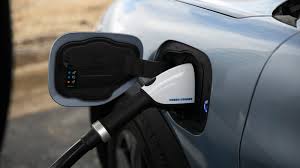
We believe the real question is how these costs compare to the savings drivers enjoy from lower maintenance and fuel expenses, which often reach 30% annually according to recent fleet performance data. Evdrivers, specifically, plays a bigger role than most coverage suggests.
. The picture for evdrivers is more nuanced than headlines indicate.
Not everyone agrees with this legislative approach. Some climate advocates claim that taxing electric vehicles, which provide clear environmental benefits, is counterproductive to national net-zero goals. But state officials maintain that road wear is independent of a vehicle’s powertrain. They point to the fact that heavy electric models, including the Tesla Cybertruck or various commercial haulers, contribute to infrastructure degradation just like their traditional counterparts.
Understanding the Financial Shift for Electric Vehicle Owners
To provide clarity on how these fees interact with broader ownership costs, we have compiled a comparison of typical expenses. While the annual road fee is a new line item, it remains a fraction of the total cost of ownership when compared to the high maintenance requirements of older petrol vehicles.
| Expense Category | Electric Vehicle Impact |
|---|---|
| Annual Road Fee | New Fixed Cost |
| Fuel/Energy Savings | ~30% Average Reduction |
| Maintenance Costs | Significantly Lower |
Looking ahead, we expect more states to implement similar legislation as the electric vehicle market matures. The goal is to create a sustainable funding model that balances infrastructure needs with the continued push toward electrification. If states can successfully integrate these fees without dampening consumer interest, it will likely become the standard template for road maintenance funding across the globe.
FAQs
How much will the new annual road fees cost?
Specific amounts vary by state legislation, but most proposals range between $100 and $250 annually to match the average fuel tax contribution of a typical gasoline-powered passenger vehicle.
Do these fees apply to hybrid vehicles?
Most versions of the bill include plug-in hybrids, as they also consume less fuel than traditional internal combustion engines and contribute less to the state gas tax pool.
Why are these fees being introduced now?
As the number of electric vehicles on the road increases, the total revenue collected from gasoline taxes has dropped, creating a shortfall in budgets dedicated to road repairs and expansion. EV drivers