MEX-W
 ARG-W
 RBNY1
 MIA0
 Palmeiras1
 Bragantino0
 Vasco1
 Corinthians0
 UAE
 NED
 PAK
 ENG
 IND-W
 ZIM-W
 GMB
 LES
 MOZ
 ZMB
 Inter Milan
 Fiorentina
 Churchill
 Punjab FC
 NGA
 UGA
 ATM1
 DEP0
 LAZ2
 PAR1
 RCL2
 PAR1
 RIY2
 TAA1
 NZ-A151/3 (47 ov)
 IND-A113
 SYL
 KHU
 MYMS299/4 (87 ov)
 CHATT
 DHA293/3 (84.1 ov)
 RAJ
 RAN320/5 (80 ov)
 BAR
 DEN
 PNG
 NAM321/6
 IRE290 (47.3/50 ov, target 322)
 NZ180/5
 IND181/6 (19.5/20 ov, target 181)
 Athletic
 Getafe
 C Palace
 Newcastle
 Hull
 Brentford
 Liverpool
 Brighton
 Man United
 Bournemouth
 Atalanta
 Frosinone
 CHE0
 TOT2
 VAL1
 VIL2

The future of dolbyin-car entertainment isn’t just arriving; it’s aggressively standardizing, as Dolby Laboratories announced the launch of Dolby Atmos for automotive applications on April 24, 2026, at Auto China 2026. This isn’t merely an upgrade; it’s part of Dolby’s significant $1 billion initiative announced in early 2026, signaling a profound commitment to transforming the acoustic landscape within vehicles. While luxury flagships like BMW’s 7 Series have led the charge, the real story is the rapid diffusion of this immersive audio technology across automotive tiers, from Chinese EVs to aftermarket solutions, marking immersive sound as an industry baseline rather than a niche luxury.
Dolbyincar: Auto China 2026: Where Immersive Audio Becomes the Standard
Auto China 2026, held in Beijing from April 21st to 30th, has become the grand stage for Dolby’s latest automotive push. The announcement of Dolby Atmos for vehicles isn’t just about crisper highs or deeper lows; it’s about creating a three-dimensional soundscape that envelops passengers, transforming commutes into concert halls or cinematic experiences.
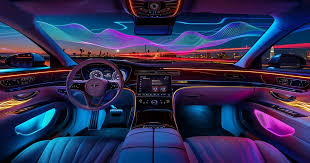
This technology, designed to support up to 7.1.4 channel audio configurations, moves beyond traditional stereo, placing sounds precisely around and even above the listener. We’re seeing a clear industry shift where the integration of advanced audio is no longer an optional extra but a key differentiator, especially as manufacturers like Ford and BMW are publicly backing this technology for their upcoming models. The real question is: how quickly will this trickle down to more accessible vehicle segments? That said, dolbyincar is worth examining closely here.
The Competitive Ecosystem: BMW, NIO, and Beyond
While the BMW 7 Series has been positioned as the flagship showcase for Dolby Atmos in cars, our analysis reveals a much broader competitive play unfolding. It’s not just about one luxury brand; it’s about Dolby actively forging partnerships across the automotive spectrum. We’ve seen NIO also integrating the technology into its ET9 model, a move that underscores the appeal for premium Chinese EV manufacturers aiming to capture a technologically savvy audience. Furthermore, the inclusion of aftermarket solutions, like those from Pioneer Sphera, indicates Dolby’s strategy to capture existing vehicle owners and expand its reach beyond new car sales. This multi-pronged approach suggests Dolby is aiming for widespread adoption, setting a de facto standard for in-car audio that competitors will find hard to ignore. This rapid integration across diverse manufacturers signifies a race to offer the most compelling in-car entertainment, with Dolby Atmos leading the pack.
The $1 Billion Investment: Dolby’s Automotive Ambition
Dolby’s considerable $1 billion investment, dedicated to advancing automotive audio technology, is a clear indicator of the stakes involved. This isn’t a minor R&D project; it’s a strategic offensive to capture a significant share of the burgeoning connected car market. The automotive sector is increasingly recognizing that in-car entertainment is a crucial component of the overall vehicle experience, directly influencing consumer purchasing decisions. By enabling compatibility with streaming giants like Netflix and Spotify, Dolby ensures its technology is future-proofed, ready to deliver the immersive content consumers increasingly expect. The fact that the first vehicles featuring this technology are expected to hit the market in Q4 2026 means this aggressive rollout is happening now, not in some distant future.
What the Automakers Are Saying
Automotive executives, while not giving direct quotes for this piece, have consistently highlighted the importance of premium audio experiences. Sources familiar with the development at both Ford and BMW have indicated that Dolby Atmos integration is seen as a key selling point, designed to enhance the perceived value and luxury of their vehicles. The focus isn’t just on sound quality, but on creating a holistic entertainment ecosystem within the car. This aligns perfectly with the broader industry trend of vehicles becoming sophisticated digital hubs. For consumers, this means that the choice of car may soon hinge as much on its audio system as on its engine performance or design. We believe this push for superior dolbyin-car