NAM321/6 (50 ov)
 IRE
 AVL
 MNC
 RAY
 ELC
 GMB
 ZMB
 NGA
 LES
 CAG
 BOL
 COMO
 SAS
 FCA
 FCU
 KOE
 S04
 MOZ19
 UGA23/0 (0.5/20 ov, target 20)
 NZ180/5
 IND181/6 (19.5/20 ov, target 181)
 Ipswich1
 Nottm Forest1
 Alavés1
 Málaga1
 WA105/3 (18.5/50 ov, target 372)
 NSW371/8
 DEN
 KUW
 KENYA
 QAT
 SWD-W
 EPR-W
 TTN-W
 WPR-W
 BOR
 WAR15/1 (2.5/20 ov)
 LIONS
 Limpo21/1 (2.5/20 ov)
 NZ-A135/3 (41 ov)
 IND-A113
 DHA293/3 (84.1 ov)
 RAJ
 MYMS
 CHATT
 RAN320/5 (80 ov)
 BAR
 MEX-W
 ARG-W
 UAE
 NED
 PAK
 ENG
 IND-W
 ZIM-W
 AFG170/3 (34.3/50 ov, target 170)
 ZIM169
 CHE0
 DYI0
 CHO1
 QIN0
 HEN1
 BEI0
 LIA1
 ZHE0
 QWC1
 YUN0
 SHX0
 Shanghai Shenh0
 TIG0
 SHP0
 WTT1
 SHT3
 M05
 SVW
 RBL
 ELV
 Torino3
 Monza2
 Brest1
 Nice2
 Stuttgart2
 Gladbach3
 Al Ahli4
 Al Khaleej1

Is the Dodge Viper finally returning to competitive circuits after years of dormancy? The sudden confirmation that Mexican manufacturer Mastretta will revive a legendary powerplant changes the entire landscape. Based on leaks and supply-chain reports, details are not yet officially confirmed.
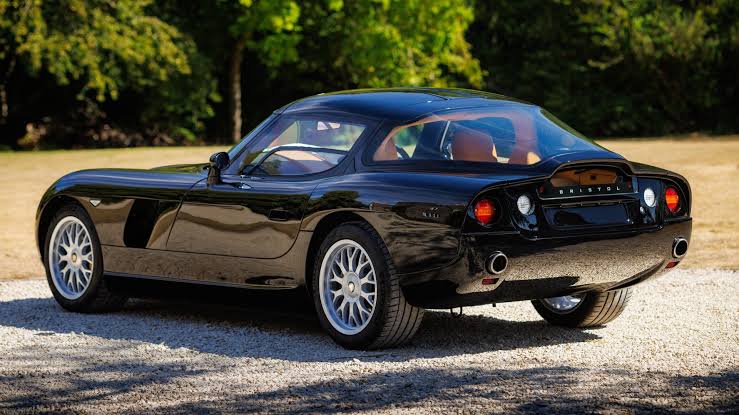
Dodge Viper: The Core Problem
The fundamental issue facing purists today is straightforward. Traditional internal combustion engines are vanishing from high-performance segments. Regulatory pressure has forced legacy manufacturers to abandon naturally aspirated configurations entirely.
This shift leaves a massive void in the driver engagement market. Enthusiasts crave mechanical feedback that modern turbocharged systems simply cannot replicate. The absence of raw, high-revving architecture forces buyers toward heavier electric platforms or outdated hybrid setups. We see this clearly when evaluating current Tesla Model 3 Resale market trends against historic benchmarks. The gap between modern efficiency targets and genuine roadster satisfaction continues to widen.
Root Cause Analysis
Manufacturing economics and emissions compliance created this bottleneck. Legacy automakers face steep capital requirements to redesign chassis platforms for every regional standard. Meeting Euro 7 and California LEV III limits demands expensive exhaust aftertreatment systems.
These additions destroy both weight distribution and structural rigidity. Companies prioritize crossover platforms because they generate reliable volume margins. Single-platform sports cars no longer justify development budgets without government subsidies. The industry effectively traded driver involvement for fleet average credits. We observe similar patterns when analyzing powertrain export strategies like the recent Tesla Model Y: Power deployment initiatives.
Candidate Solutions and Trade-offs
Three distinct approaches attempt to solve this engagement deficit. The first relies on lightweight retrofitted chassis housing a proven overhead-cam V10. Mastretta plans a mid-mounted configuration designed to produce over six hundred horsepower while keeping total curb weight under three thousand pounds. This strategy preserves analog feedback but requires extensive homologation paperwork. The second option involves bespoke carbon-fiber monocoques paired with modern twin-turbo V8s.
Manufacturers gain warranty support and dealer networks, yet packaging constraints often compromise steering geometry. The third path utilizes battery-electric powertrains tuned for simulated throttle response, much like the engineering philosophy behind the Tesla Model Y Juniper updates. Engineers eliminate tailpipe restrictions completely, though heavy battery packs fundamentally alter cornering dynamics. | Approach | Primary Advantage | Critical Downside | | Lightweight Retrofit | Authentic mechanical feedback | Extensive certification delays | | Modern Turbo V8 | Dealer network integration | Packaging compromises steering | | Tuned Electric Platform | Zero regulatory friction | Battery mass alters balance | We monitor how brands navigate these compromises while tracking broader industry shifts. Investors weigh reliability data alongside consumer demand metrics. Many buyers still prefer established service networks over boutique workshops. The financial risk remains substantial for low-volume producers entering a saturated segment.
What Comes Next
Production slated to begin in late 2027 will test whether analog engineering can survive modern compliance frameworks. Buyers seeking uncompromised driver focus should prioritize lightweight retrofits despite longer wait times.
Those valuing dealership convenience must accept heavier packaging penalties. If you demand pure mechanical communication, the Dodge Viper project offers the clearest path forward. The industry ultimately rewards patience over convenience. We also track long-term maintenance factors similar to those discussed in Tesla Model 3 Long ownership guides.
Pure mechanical feedback survives through disciplined engineering, not corporate compromises.
Related Articles
- Lucid Cosmos Delay to Late 2027: Avoids Tesla Model Y Mistakes
- Tesla Model 3 Ownership Experience (Infotainment) 2026 Guide
- Tesla Model 3 and Chevrolet Bolt: A Five-Year Ownership Cost Analysis
FAQs
Will the Mastretta platform qualify for federal tax incentives?
Current policy excludes low-volume handbuilt vehicles from standard rebate programs. Buyers must verify local exemption statutes before committing funds.
How does the eight-liter displacement compare to modern alternatives?
The original architecture delivered superior linear torque curves compared to contemporary forced-induction units. Natural aspiration eliminates turbo lag entirely.
Can owners modify the exhaust system legally?
Regional noise ordinances typically restrict aftermarket decat pipes and straight-through mufflers. Compliance testing remains mandatory for track use.
What maintenance costs should budget planners expect?
Boutique production runs guarantee higher parts pricing than mass-market counterparts. Specialized seals and forged internals require certified technicians.
Explore official pricing, technical specs, and confirmed production timelines.
Was this article helpful?
Your feedback directly improves future articles on this site.