NAM321/6 (50 ov)
 IRE
 GMB
 ZMB
 NGA
 LES
 CAG
 BOL
 COMO
 SAS
 FCA
 FCU
 KOE
 S04
 M05
 SVW
 RBL
 ELV
 MOZ19
 UGA23/0 (0.5/20 ov, target 20)
 NZ180/5
 IND181/6 (19.5/20 ov, target 181)
 Ipswich1
 Nottm Forest1
 Alavés1
 Málaga1
 WA105/3 (18.5/50 ov, target 372)
 NSW371/8
 DEN
 KUW
 KENYA
 QAT
 SWD-W
 EPR-W
 TTN-W
 WPR-W
 BOR
 WAR15/1 (2.5/20 ov)
 LIONS
 Limpo21/1 (2.5/20 ov)
 NZ-A135/3 (41 ov)
 IND-A113
 DHA293/3 (84.1 ov)
 RAJ
 MYMS
 CHATT
 RAN320/5 (80 ov)
 BAR
 MEX-W
 ARG-W
 UAE
 NED
 PAK
 ENG
 IND-W
 ZIM-W
 AFG170/3 (34.3/50 ov, target 170)
 ZIM169
 SCP
 HSV
 ARS
 EVE
 Torino3
 Monza2
 Brest1
 Nice2
 Stuttgart2
 Gladbach3
 Al Ahli4
 Al Khaleej1

160,000 processors. That is the reported scale of the Huawei Inner Mongolia cluster DeepSeek is planning, based on supply-chain reports rather than any official confirmation from either company.
If the project proceeds as described, it would become the largest known deployment of Huawei’s AI silicon anywhere in the world, and a pointed statement about China’s push to build frontier-scale compute without American chips.
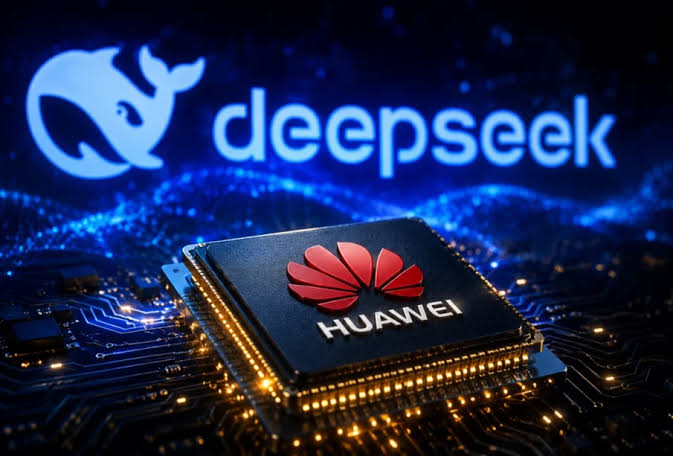
Huawei Inner Mongolia: The Headline Number, In Context
Here’s what you need to know: DeepSeek, the Hangzhou-based lab that startled the industry in early 2025 with a cheap, open-weights reasoning model, is reportedly designing a single cluster around 160,000 Huawei processors. The facility is planned for Inner Mongolia, a region that has quietly become China’s data-centre heartland.
Neither DeepSeek nor Huawei has published specifications, timelines, or costs, so every figure below should be read as reported plans, not announced hardware. For scale comparison, the biggest disclosed AI clusters in the West typically run on tens of thousands of top-tier GPUs. A 160,000-chip build using Huawei’s silicon would put DeepSeek’s planned capacity in the same conversation, provided the chips deliver competitive throughput per processor.
| Data Point | Reported Detail |
|---|---|
| Planned processors | 160,000 Huawei chips |
| Location | Inner Mongolia, China |
| Claimed status | Largest known Huawei chip cluster |
| Official confirmation | None yet from DeepSeek or Huawei |
Why Inner Mongolia, And Why Huawei
The location is not accidental. Inner Mongolia offers cheap land, cool weather for part of the year, and abundant power — the three constraints that dominate AI data-centre siting. China has funnelled infrastructure investment into the region precisely so that compute-hungry projects have somewhere to grow. Energy costs that would cripple a cluster in coastal cities become manageable on the grasslands.
The chip choice matters even more. US export controls restrict China’s access to NVIDIA’s most advanced accelerators, so domestic labs have been pushed toward Huawei’s Ascend family. DeepSeek proved with its earlier models that clever software engineering can offset weaker hardware; this cluster suggests the lab now wants raw capacity as well. The same compute arms race powers everything from cloud assistants to the tools we cover daily, including our guide to Chat GPT Code Interpreter best practices for developers. Worth noting: clustering 160,000 domestic chips is also a stress test. Racking that many accelerators together exposes interconnect, cooling, and failure-rate problems that smaller deployments never reveal.
What This Means For The AI Race
The implications cut two ways. For Huawei, DeepSeek’s endorsement would be the strongest commercial validation its accelerator line has received, likely pulling other Chinese labs toward domestic silicon. For US policymakers, it is evidence that export controls are accelefeatures that now rely on AI upscaling.
Execution remains the open question. Large clusters are announced far more often than they are completed, and software ecosystems around Huawei chips are still maturing.
What Happens Next
Watch for three signals over the coming months: procurement filings in Inner Mongolia, any DeepSeek statement on training infrastructure, and Huawei’s next Ascend generation. Until then, this remains the most ambitious reported bet on Chinese compute to date — and whether the Huawei Inner Mongolia cluster actually reaches 160,000 processors will tell us how fast the country’s AI independence is really moving.
Related Articles
- Minecraft: Four Essential Questions Every Beginner Must Answer
- CIX's Hyunsuk Signs With Management Run — New Profile Photos Unveiled as…
- Apple AirTag 2 Launches at $29 With 50% Longer Battery Life
FAQs
How many processors would the DeepSeek cluster use?
Supply-chain reports describe a planned total of 160,000 Huawei processors, though neither company has officially confirmed the figure.
Where is the cluster planned?
The facility is reportedly planned for Inner Mongolia, a region chosen for its cheap power, available land, and existing data-centre infrastructure.
Has DeepSeek confirmed the project?
No. The plans are based on supply-chain reporting, and neither DeepSeek nor Huawei has made an official announcement as of September 2026.
Why is DeepSeek choosing Huawei chips instead of NVIDIA?
US export controls limit China’s access to advanced NVIDIA accelerators, pushing major Chinese AI labs toward domestic alternatives such as Huawei’s Ascend processors.
Was this article helpful?
Your feedback directly improves future articles on this site.