NZ
 IND
 NAM
 IRE
 MOZ
 UGA
 Aston Villa
 Man City
 Rayo
 Elche
 GMB
 ZMB
 NGA
 LES
 Cagliari
 Bologna
 IPS1
 NFO1
 ALA1
 MCF1
 TOR3
 MON2
 BRE1
 NICE2
 TAS129/7 (23.3/35 ov, target 276)
 VIC304/7 (50 ov)
 WA
 NSW38/1 (9/50 ov)
 NZ-A135/3 (41 ov)
 IND-A113
 DHA
 RAJ
 MYMS
 CHATT
 RAN
 BAR
 SYL
 KHU
 MEX-W
 ARG-W
 UAE
 NED
 AFG170/3 (34.3/50 ov, target 170)
 ZIM169
 IND-W200/1 (27.1/50 ov, target 198)
 ZIM-W197
 DOLPH56/0 (3.5/8 ov, target 56)
 SWD51/4 (8/8 ov)
 WSW1
 BRI1
 Como
 Sassuolo
 Augsburg
 Union Berlin
 Cologne
 Schalke
 Mainz
 Bremen
 RB Leipzig
 Elversberg
 VFB2
 BMG3
 AHL4
 KHA1

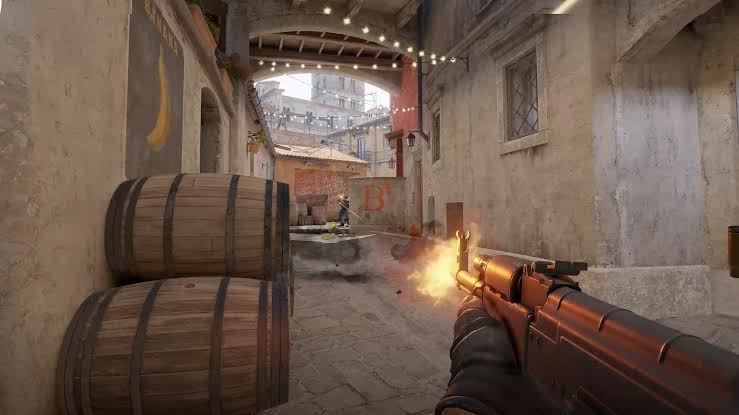
The dust settles on Mirage’s A site, and for the first time in months, the enemy model actually stands apart from the sand-colored walls. A player with red-green colorblindness toggles Counter-Strike 2’s colorblind filter, and the blur of indistinguishable shapes sharpens into readable targets.
It is a small, quiet change buried in a settings menu. It is also a turning point for competitive shooters everywhere. Counter-Strike 2, Valve’s 2023 engine overhaul of CS:GO, shipped with a reworked accessibility suite that goes far beyond its predecessor’s bare-bones options.
Colorblind filters, adjustable crosshair opacity, subtitle toggles, and a redesigned audio system with distinct footstep and utility cues all arrived at launch. For a franchise built on millisecond reactions, these features carry more weight than they might appear.
From Sparse Options to Real Choices
CS:GO offered little. A basic brightness slider, a few crosshair presets, and not much else. Players with visual impairments often relied on third-party configs or simply adapted to a game that never adapted to them. CS2 changed that equation.
The new colorblind modes tackle the game’s most persistent visibility problem. On maps like Dust 2 and Inferno, where warm browns and reds dominate, enemy models can vanish into the environment for color-deficient players.
For hearing-impaired players, the subtitle system flags key audio events.
No competitive shooter has fully solved deaf accessibility, but CS2’s approach sets a baseline others now follow. > “A competitive game doesn’t have to sacrifice accessibility to stay fair,” is the sentiment echoing across community forums. “CS2 proves the two can coexist if the developer actually tries.”
The Competitive Fairness Question
Here is the tension: in a game where a single footstep decides rounds, do accessibility features create an unfair advantage? Some argue colorblind filters or enhanced audio give certain players more information. The counter-argument is simpler.
Accessibility levels the playing field. It does not boost anyone beyond the baseline — it brings disabled players up to it. Valve’s design choices reflect that philosophy. The features are optional, clearly labeled, and do not stack with other boosts. A colorblind filter does not make a player faster or smarter. It makes the game readable. That distinction is the entire debate, and it shapes how TechnoSports' gaming coverage tracks the genre’s evolution.
What This Means for the Wider FPS Landscape
CS2’s influence extends beyond its own player base. As one of the most-watched esports titles globally, its accessibility decisions ripple outward. Developers of new tactical shooters now treat colorblind modes and subtitle options as launch requirements rather than post-release patches. The esports scene matters here too.
Major tournaments run on CS2, and organizers now consider accessibility when designing broadcast overlays and observer tools.
What accessibility features does Counter-Strike 2 offer?
Counter-Strike 2 includes a variety of accessibility features such as customizable controls, colorblind modes, and text-to-speech options. These enhancements aim to make the game more inclusive for players with different needs and preferences.
How does Counter-Strike 2 influence the gaming industry’s approach to accessibility?
Counter-Strike 2 sets a precedent for other games by prioritizing accessibility in its design. The game’s success in implementing these features encourages developers across the industry to adopt similar practices, ultimately leading to a more inclusive gaming environment for all players.
Broader Implications for the Future of Gaming
Moreover, the impact of Counter-Strike 2 extends beyond its own player base. By showcasing the importance of accessibility, it encourages discussions around the necessity of inclusive design in all gaming genres.
As more titles begin to incorporate similar features, we can expect a shift in industry standards that not only benefits players with disabilities but also enhances the overall gaming experience for everyone. This shift can lead to a more diverse player community, fostering a richer gaming culture.
Was this article helpful?
Your feedback directly improves future articles on this site.