Some legal questions don’t get louder with time — they just settle. The Supreme Court has now closed the door on one of the more consequential rulings of the year, dismissing a review petition that challenged its earlier verdict on Scheduled Caste status after religious conversion.
Table of Contents
What the Court Decided?
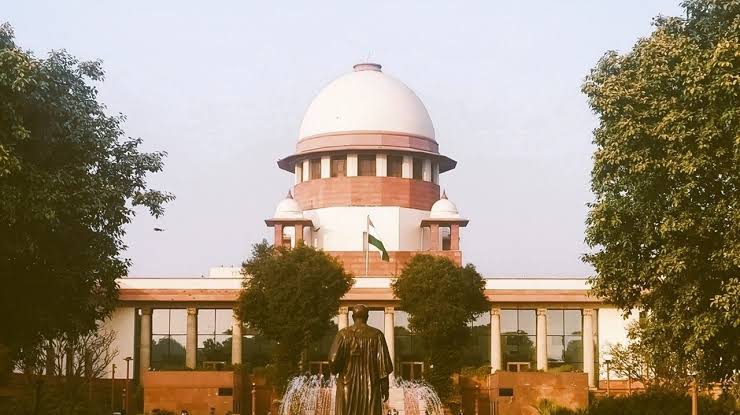
A bench of Justices Prashant Kumar Mishra and Manmohan rejected the review plea, finding no error in the original March 24, 2026 judgment. The court also declined a request for an oral hearing, closing the matter for now.
The underlying ruling had held that a person’s Scheduled Caste (SC) status ends immediately upon converting to a religion other than Hinduism, Sikhism, or Buddhism — regardless of when they were born into that community.
The Case Behind the Ruling
The dispute originated in Andhra Pradesh, involving a man born into the Madiga community who later became a Christian pastor. After alleging caste-based harassment, he filed a police complaint under the SC/ST (Prevention of Atrocities) Act. The accused challenged this in the Andhra Pradesh High Court, arguing that having converted, the complainant could no longer claim SC status. The High Court agreed and quashed the case — a decision the Supreme Court later upheld.
Caste: Key Takeaways
| Aspect | Detail |
|---|---|
| Original Verdict Date | March 24, 2026 |
| Review Plea Dismissed | July 15, 2026 |
| Bench | Justices P.K. Mishra and Manmohan |
| Basis | Clause 3, Constitution (Scheduled Castes) Order, 1950 |
| Effect on SC Status | Lost immediately upon conversion to a non-specified religion |
| Effect on ST Status | Not automatic; assessed case-by-case based on retained tribal customs |
| Reconversion Rule | SC status isn’t automatically restored; specific conditions must be proven |
Why This Distinction Matters
The court drew an important line between Scheduled Caste and Scheduled Tribe status. While SC status is tied strictly to religious identity under the 1950 Order, Scheduled Tribe status depends more on whether a person continues to follow tribal customs and traditions, even after conversion — making it a matter of evidence rather than an automatic rule.
This reflects the broader legal principle in India that reservation and protective benefits under the Constitution of India are tied to specific, defined criteria rather than birth identity alone.
What Happens Next
With the review petition dismissed, the March 2026 verdict now stands as settled law, at least for now. Anyone converting away from Hinduism, Sikhism, or Buddhism will lose SC-linked reservations and protections from the date of conversion, while questions around Scheduled Tribe status remain open to factual scrutiny.
For more explainers on how major court rulings shape everyday rights, browse ongoing coverage on TechnoSports.
FAQs
Q1. Does converting to another religion always end Scheduled Caste status?
Yes — under this ruling, SC status ends immediately upon converting to any religion outside Hinduism, Sikhism, or Buddhism.
Q2. Can someone regain SC status by reconverting?
Not automatically — the person must prove specific conditions to have the status restored.