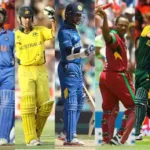
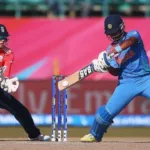
For decades, the Board of Control for Cricket in India operated with a unique autonomous status while other domestic sports bodies faced strict government oversight. That landscape shifted dramatically on September 8, 2026, when the highest judicial authority in the country intervened in the long-running matter involving cricket administration. The supreme court posed a direct question to the board and its affiliated state units regarding their exemption from regulatory frameworks. The outlet reported that the bench is examining whether the legislation should apply uniformly across all sporting disciplines in the nation.
The catalyst for this scrutiny involves the implementation of the National Sports Governance Act, 2025, which has already come into force across the country. A three-judge bench comprising Chief Justice Surya Kant, Justice Joymalya Bagchi, and Justice V. Mohana pressed legal representatives to explain why cricket governance should remain separate. According to details shared by BBC Sport Cricket, administrative transparency remains a central theme in these ongoing legal proceedings. Legal teams for the respondents were instructed to secure specific instructions regarding the regulation of office bearers under the new legislation.
Following this hearing, the cricket administration faces a difficult balancing act between its historical independence and modern statutory compliance. The bench did not issue any substantive final orders during the session, leaving the matter pending for further deliberation. Similar regulatory debates have previously surfaced across various sectors, mirroring discussions seen when Supreme Court Stays 2026 measures were evaluated. Legal experts note that the core argument from the board centres on whether cricket was formally notified as a designated sport under the statute.
Administrative Comparison of Regulatory Frameworks
| Administrative Area | Previous System | Current 2026 System |
|---|---|---|
| Oversight Body | Autonomous internal committees | National Sports Governance Act, 2025 |
| Office Bearer Tenure | Variable state rules | Standardised statutory limits |
| Judicial Review | Case-by-case intervention | Direct legislative applicability |
| Compliance Mandate | Voluntary adherence | Mandatory statutory alignment |
Legal Implications and Next Steps
The ongoing judicial review could fundamentally alter how regional and national cricket bodies manage internal elections and executive terms. Similar institutional accountability questions have arisen in other high-profile legal battles, such as when India’s Supreme Court Drops landmark observations on institutional autonomy.
The bench has demanded clear accountability from administrators regarding the terms and conditions of service for their leadership. Other regulatory frameworks face similar scrutiny, much like past challenges observed when Supreme Court Slams WhatsApp regarding data practices. The ultimate resolution of this case will set a binding precedent for how autonomous sporting bodies interact with legislative enactments. Similar governance debates often intersect with broader civil disputes, echoing discussions referenced in reports covering Conversion and Caste: What societal frameworks. As the legal teams prepare their formal responses, the sports fraternity awaits a definitive ruling that could harmonise rules across all national federations.
If you require clarity on domestic sports legislation, examine the official filings and BBC Sport updates for ongoing legal developments.
Related Articles
- AIFF Under Supreme Court Deadline: Two Weeks to Save Indian Football from…
- Supreme Court Orders Removal of Stray Dogs from Public Spaces: A Game-Changer…
- Supreme Court Questions Porn Ban Feasibility: Nepal’s Failed Attempt Cited
FAQs
What triggered the supreme court hearing regarding cricket administration?
The matter arose during the long-running litigation involving the board, prompting the bench to examine why cricket bodies claim exemption from recent legislation.
Which law is at the center of the dispute?
The National Sports Governance Act, 2025 serves as the primary legislation in question regarding whether its provisions should apply to cricket administrators.
Who comprises the bench hearing the case?
A three-judge bench comprising Chief Justice Surya Kant, Justice Joymalya Bagchi, and Justice V. Mohana is presiding over the matter.
Has a final judgment been delivered?
No substantive final order was issued during the September 8, 2026 hearing, and the matter remains pending before the court.
Was this article helpful?
Your feedback directly improves future articles on this site.