SCP1
 ACV2
 Mohun Bagan
 Chennaiyin
 PSG
 Lyon
 Sevilla
 Osasuna
 NED
 OMA
 NZ
 IND
 NAM
 IRE
 PAK
 SL
 SA
 AUS
 BAR1
 RMA2
 UDI0
 MIL2
 RSO2
 LEV1
 LEC0
 JUV2
 LIMWn
 NW-W
 NCWmn
 FsWm
 BRB
 MOW
 NZ-A317
 IND-A113 & 188/2 (51 ov)
 SYL280/2 (84 ov)
 KHU
 MYMS465/7d
 CHATT134/2 (40 ov)
 DHA521
 RAJ103/6 (26 ov)
 RAN402
 BAR179/3 (56.1 ov)
 LUL
 SPR
 TOK
 MIS
 MEX-W51 (12.5/20 ov, target 187)
 ARG-W186/7
 NGA148
 UGA147/9 (20 ov, target 149)
 GMB112/9
 LES109 (19.5/20 ov, target 113)
 MOZ110/7 (19/20 ov, target 110)
 ZMB109/9
 IND-W328/6
 ZIM-W207 (48.5/50 ov, target 329)
 ENG241
 LAFC
 LA
 Neftchi Fergana
 Al Ittihad
 Besiktas
 Istanbul BB
 Caykur Rizespor
 Trabzonspor
 Al Ahli
 Al-Gharafa
 SUN0
 LEE0
 SCF1
 MUN3

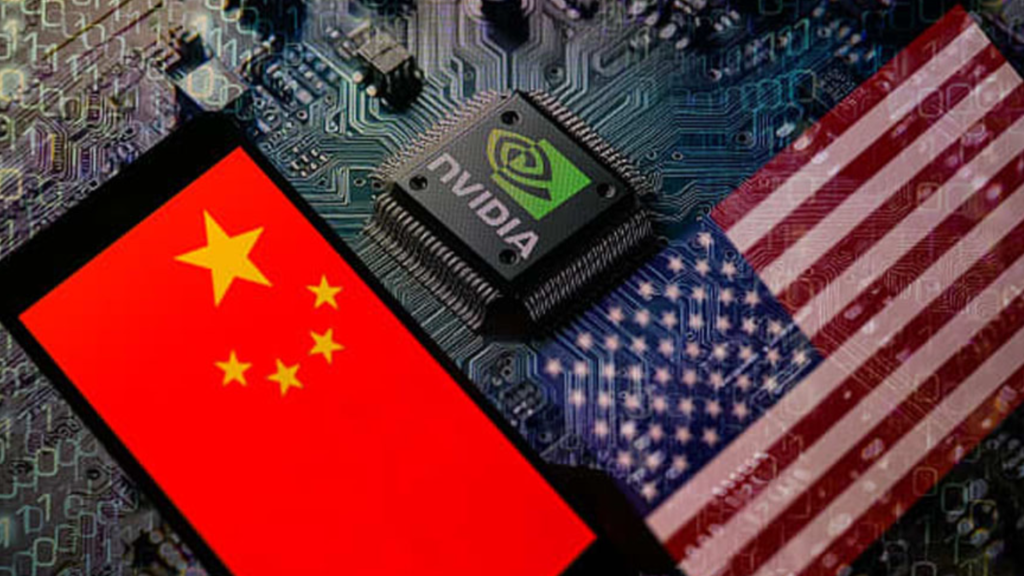
As escalates with chip bans—piling dual-nation costs on the AI giant, Beijing intensifies its regulatory stance. On April 24, 2026, formally announced plans to tighten regulations on technology companies, specifically targeting foreign semiconductor firms. This move comes amidst an already tense global tech landscape, further complicating operations for major players like Nvidia.
What’s Actually Happening with China’s New Regulations?
The latest announcement from Beijing confirms a strategic pivot: a concerted effort to increase control over its domestic tech sector while simultaneously reducing reliance on foreign technology. This isn’t just about trade; it’s about technological sovereignty. In October 2023, had already implemented restrictions on the export of certain advanced semiconductor technologies, a clear precursor to today’s broader regulatory tightening.
We believe this new phase will see more stringent licensing, data localization requirements, and potentially even forced technology transfers for foreign firms operating within the country. It’s a significant escalation, making the operating environment for international tech players considerably more complex.
Why China’s Semiconductor Strategy Matters for Global Tech Giants
The real story here is the ongoing push for self-sufficiency. aims to increase domestic semiconductor production to 70% of its total consumption by 2025. This ambitious target directly impacts companies like Nvidia, which have long relied on the vast Chinese market. The U.S. government imposed export controls on Nvidia’s A100 and H100 chips in September 2022, forcing Nvidia to develop less powerful, -specific alternatives. Not everyone agrees that this strategy will succeed quickly — critics argue that advanced chip manufacturing takes decades to perfect. But the Chinese government’s commitment, backed by a $150 billion allocation to its semiconductor industry over the next five years, suggests a sustained effort regardless of immediate challenges. This shift will reshape global supply chains and force tech companies to re-evaluate their long-term strategies for one of the world’s largest consumer bases.
The Numbers: Economic Pressures on Nvidia and Beyond
The financial implications for companies caught in this geopolitical tug-of-war are substantial. Nvidia, for instance, reported a revenue of $26.9 billion for the fiscal year 2023. While its revenue figures are not fully disaggregated, the combined pressure from U.S. export controls and China’s new restrictions will undoubtedly squeeze its top line. Meanwhile, the Chinese semiconductor industry itself is projected to grow at a CAGR of 15% from 2023 to 2028. This growth, however, will increasingly favor domestic players, potentially at the expense of established foreign firms. The real question is: how long can companies like Nvidia absorb these dual-nation costs before a more fundamental strategic shift becomes necessary?
Industry Reactions: What Stakeholders Are Saying
The immediate reaction from the tech industry has been cautious but concerned. Many foreign semiconductor firms are already re-evaluating their investment plans in , fearing increased regulatory hurdles and a less predictable business environment. Domestically, Chinese tech companies are celebrating the potential for increased market share and government support. We’ve seen similar moves in other sectors; for example, the ongoing developments in Wireless Charging Tech have shown how government mandates can accelerate local innovation.
Looking Ahead: What’s Next for China’s Tech Landscape?
The tightening grip on tech companies by signals a new era of digital protectionism. We expect to see a continued push for indigenous innovation, possibly mirroring efforts seen in regions like India, where initiatives like India Sweden Tech cooperation aim to boost local capabilities. The coming months will likely reveal more specific regulations, focusing on data security, algorithms, and market access for foreign entities. We are entering a phase where geopolitical tensions will increasingly dictate technological development and market dynamics.